



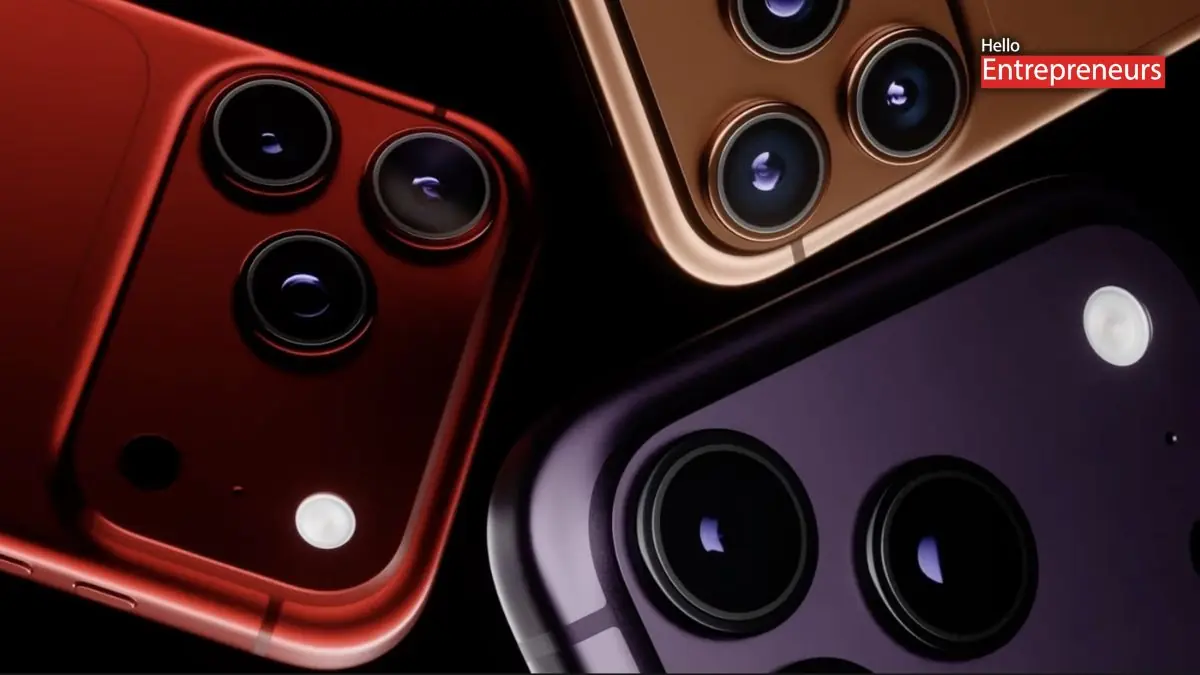
New Delhi: Apple’s iPhone 18 Pro and iPhone 18 Pro Max are expected to be unveiled in September 2026, and could bring some of the most significant hardware changes to the iPhone in years. According to some sources, Apple is testing under-display Face ID, a redesigned Dynamic Island, a variable aperture camera, satellite-based 5G support, and new in-house chips. The iPhone 18 Pro will look broadly similar to the iPhone 17 Pro from the back, but the front will change more noticeably. Face ID hardware is expected to move under the display. This would leave only the front-facing camera visible as a small cutout, positioned slightly to the left instead of centred.
Dynamic Island is not going away, but it is expected to shrink. Since the Face ID hardware will no longer compete for space at the top, the Dynamic Island can become smaller while still working the same way in software. One of the most significant camera changes being tested is a variable-aperture primary camera. Unlike the current iPhone, which uses a fixed aperture, this system would physically open and close the lens. In low light, the lens could open wider to the left in more light. In bright conditions, it could tighten to control exposure. A wider opening would also enable more natural background blur, reducing reliance on software-based portrait effects.
The camera control button introduced in the recent iPhones supports both touch gestures and pressure input. For the iPhone 18 Pro, Apple may remove the capacitive touch functionality and keep only pressure sensing. This would simplify the hardware, reduce manufacturing and repair costs, and remove what Apple reported to see as the clunky user experience. Apple is also reported to be working on broader satellite-based cellular support. Apple is developing support for 5G networks broadcast from satellites, instead of relying only on ground-based cell towers. This would build on satellite emergency features first introduced with the iPhone 14. This could enable basic connectivity even in areas with no traditional network coverage.
iPhone 18 Pro lineup is expected to use the latest A20 Pro chip, built on a two-nanometre process. Apple is also likely to replace Qualcomm modems in the Pro models with its next-generation C2 modem. This would give Apple more control over cellular performance and reduce reliance on external suppliers. The C2 modem should be faster and more efficient than current solutions, and is part of Apple’s long-term plan to control more of its core hardware stack.

