



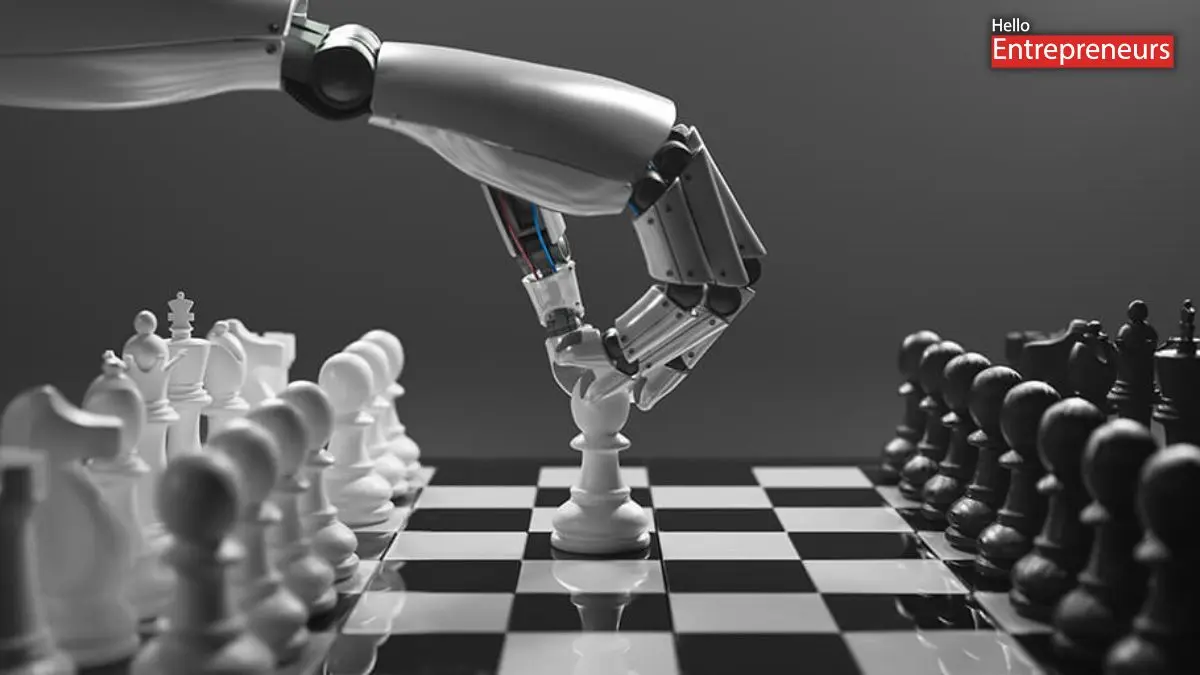
New Delhi: OpenAI’s ChatGPT 3 model has made a name in Artificial Intelligence by just defeating Elon Musk’s XAI model Grok 4 in the final of a Kaggle-hosted tournament that was set out to find the strongest chess-playing large language model. In this event, held over three days, marked general-purpose LLMs from several companies against each other rather than specialist chess engines. Over eight models have participated in these chess games, including entries from OpenAI, xAI, Google, Anthropic and the Chinese developers DeepSeek and the Moonshot AI.
In this contest, standard chess rules apply, but it has tested multi-purpose LLMs, systems that are not specifically optimised for chess play. According to some sources, coverage of the event noted that Google’s Gemini finished in third place after defeating another OpenAI entry. Grok 4 led early in the competition, but faltered in the final match against o3. Commentators and observers highlighted that the multiple tactical errors by the xAI Grok 4, which include repeated queen losses, swung the match in o3’s favour. Chess.com writer Pedro Pinhata stated that up until the semi-finals, it seemed that nothing would be able to stop Grok 4, but it collapsed under pressure on the last day.
What a show! The Kaggle Game Arena AI Chess Exhibition Tournament is complete, and the winner is O3 🏆!
A huge thank you to everyone who tuned in and to our amazing partners @MagnusCarlsen, @GMHikaru, @GothamChess and @DavidHowellGM for the fantastic commentary and analysis on… pic.twitter.com/PIxv69Qlll
— Kaggle (@kaggle) August 7, 2025
Grok made so many mistakes in these games, but OpenAI did not make any mistakes in this chess game. Elon Musk downplayed the defeat, saying the Grok’s earlier strong results were a side effect and that xAI has spent almost no effort on chess. The result adds a public dimension to the rivalry between Musk’s xAI and OpenAI, both of which were founded by the people who once worked together at OpenAI.
This Chess game has long been used to measure AI progress. Past milestones include specialised systems such as DeepMind’s AlphaGo, which has defeated top human players in the game of Go. This Kaggle tournament differs by testing general LLMs on the strategic, sequential task rather than using a dedicated chess engine. These outcomes show the variability in how the LLMs handle structured, adversarial tasks like chess. The o3’s performance suggests some LLMs can sustain strategic play under the tournament conditions, Grok4’s collapse illustrates that results may still be inconsistent. Organisers and the commentator are likely to continue using chess and similar tasks to probe reasoning, planning and the robustness in large language models as the field evolves.

