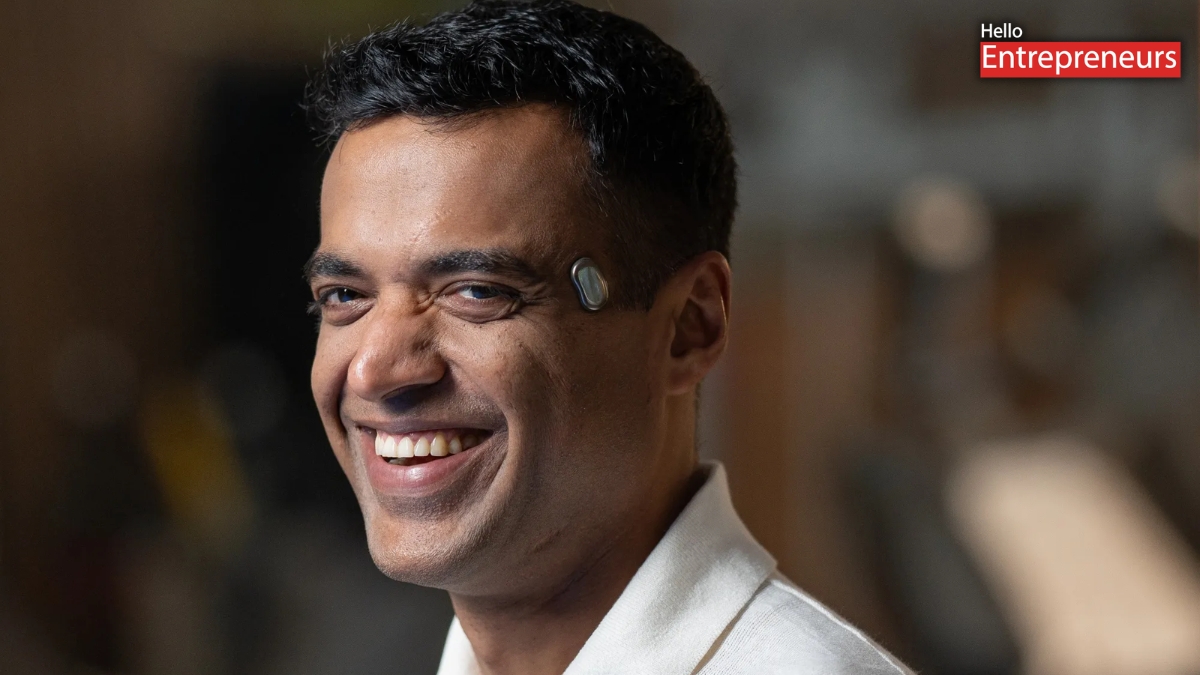








New Delhi: Deepinder Goyal has a talent for getting people to pay attention, and Temple is the latest proof. The device is a bean-shaped wearable that sits at the side of the forehead and it is actually built to track the body’s metabolic state in real time. It’s his first big shift since he stepped back from running Eternal, and he has put $20 million of his own money into this startup.
So the main question arise will it beat the wearables already on Indian wrists? That’s probably the wrong question.
Start with what Goyal is actually claiming. He says smartwatches and rings estimate metabolic activity from heart rate, while Temple measures metabolic rate directly. If that holds up, it’s a different product, not a better watch. And Goyal seems to know it. He has said it will initially target elite athletes, not the general public. In his own words, it isn’t being built for everybody.
That’s a smart way to start, and also a small market.
Here’s the catch. Several experts have also questioned that whether a skin-mounted sensor can pick up deep-brain signals at all. That doubt matters more than any price tag. Wearables live or die on trust, and trust comes from validation, which means peer-reviewed data and independent testing. A founder’s confidence doesn’t substitute for it. Until Temple shows the numbers of other people can check, the skepticism is fair.
Then there’s the competition, which is hardly standing still. Apple’s Watch shipments to India jumped 141% in 2025, and Samsung, OnePlus and Google are also gaining share. Those brands have distribution, service networks and years of habit behind them. A new hardware startup has none of that. Hardware is brutal in this way. You can’t ship an update to fix a bad sensor.
Still, Temple doesn’t need to out-sell Apple to survive. Pre-orders have opened, and Goyal says he’ll personally pick people who can give meaningful feedback. That is a hand picked beta and not a mass launch. It also gives him the time to learn, and it also remains in the hands of the early story enthusiasts.
The real challenge is when you get to the end of it. Would the data make a difference to anyone considering purchasing? Researchers observe that a valuable metabolic wearable must have a strong message for ongoing insights or medical-grade trustworthiness. If it doesn’t result in a decision, it’s just a number on a screen.
So is Temple doomed? No. Is it guaranteed to win? Also no. Goyal has money, attention and patience, which most hardware startups lack. What he hasn’t yet shown is independent proof that the sensor does what he says. If that proof arrives, Temple could carve out a real niche. If it doesn’t, it’ll join a long list of impressive-looking gadgets that people stopped wearing.