



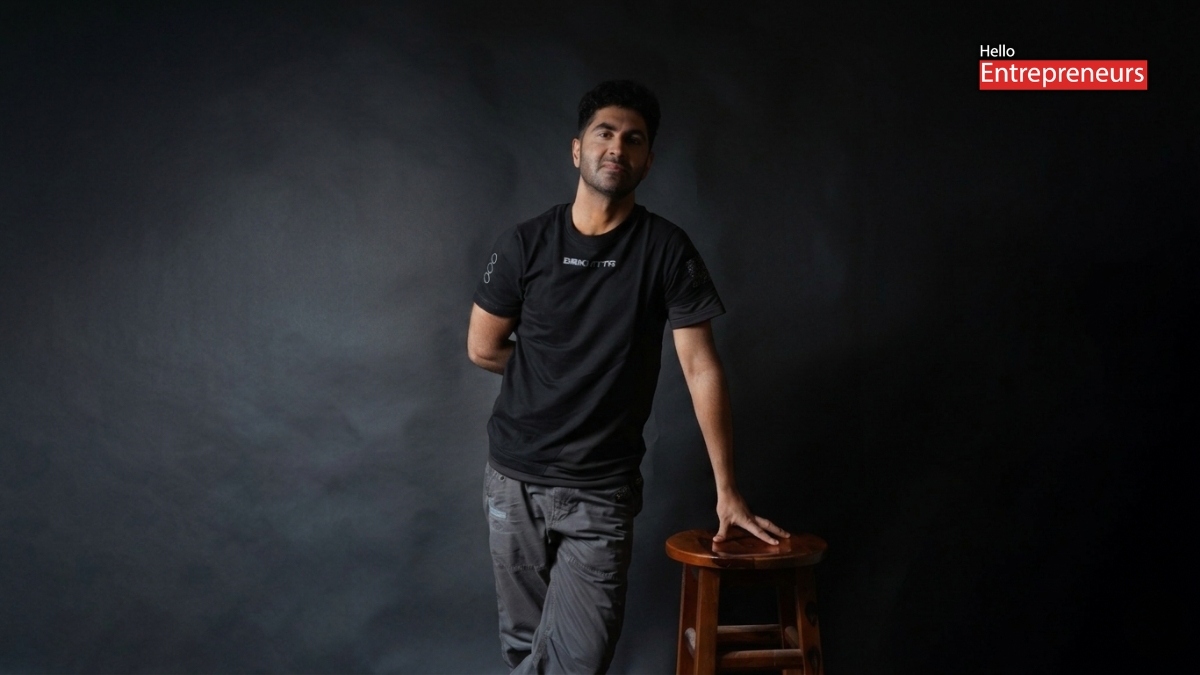
New Delhi: The world of design is undergoing a subtle, but continuous, chanage. What was primarily physical product design is slowly transitioning to digital experience, motion storytelling and hyper-realistic visualisations. Industry estimates put the global animation and VFX market alone in the range of 500 billion dollars by 2030 while 3D and real-time content is the new driver for marketing across all industries. It is in the light of these developments that Sidharth Vohra, founder and Creative Director of The Matic Studio, presents a deeply personal, yet relevant example of this transition.
Vohra began his career in transportation design at IED Torino, a field inherently based on the rigor, the constraints and the engineering that physical prototyping demanded. In the auto and product design space where his primary projects revolved around form, ergonomics and functional aesthetics, the development cycle of a single production model could stretch from 3-5 years to millions of dollars. Working in this environment meant disciplined thinking and a very clear connection between creativity and what would actually work, with stringent limitations defining the scope of creative freedom.
This changed with the explosion of the digital ecosystem. From online forums and then, the explosion in the use of the internet across the globe (crossing over 5 billion users) to increased screen time of over 30% during the lockdown, brands started prioritising digital first storytelling. The rise of the NFT and digital art scene also contributed to increased interest in motion graphics and 3D visualisations. For Vohra, it marked a turning point.
Self-learning motion design online he found in it, the opposite of his former discipline, limitless creativity and faster, simpler and far more engaging forms of output. While traditional visuals can, in many cases fail, a 10 second animation with integrated sound, motion and narrative creates an all-encompassing experience that communicates more complex ideas effectively. This quality of storytelling intrigued him enough to pursue the medium further.
Demand naturally followed, as Vohra began putting his work out there. His individual efforts found their place in the boom of the gig economy (where freelancers are said to add over 1.3 trillion dollars to the global economy). Clients began valuing his motion design and over time, this began translating into more large-scale projects requiring further structuring and more people in his work process.
And so was born The Matic Studio. What makes it unique isn’t just its visual aesthetic but its combination of clarity and experimentation. With average user attention spans dropping to the point where 3-5 seconds is all that separates continued engagement from complete abandonment (a claim supported by several studies) in the digital world, it becomes crucial to cut through the clutter. However, a highly saturated digital space demands experimentation from brands.
Vohra manages this balancing act by defining rigorous client briefing processes that center on clear, actionable objectives and defining the audience. His creative team relies on iterative feedback cycles and defined workflows to turn projects around in the tight, 2-6 week timelines that define a large part of the client work.
While client acquisition and credibility in the early stages of growth (a significant pain point for nearly 60% of all new creative agencies) was a challenge he faced, he quickly transitioned to operations and team building, and now, client relationships as well. Building and running a studio is a fundamentally different challenge from being a solo designer, demanding of Vohra a new skillset encompassing more business strategy, negotiation, and leadership abilities. His role now is far less about executing and far more about creative direction and alignment of vision, a clear sign of a broader trend in the industry that values hybrid, artist-business thinkers, especially since a majority of global brands now prefer long-term creative partnerships to single service provisions.
Recently, Matic Studio got featured at New York’s iconic Times Square. As part of the “Light Visions” digital art showcase, the studio’s work was displayed alongside global artists, highlighting modern motion design and digital creativity on one of the world’s biggest public platforms.
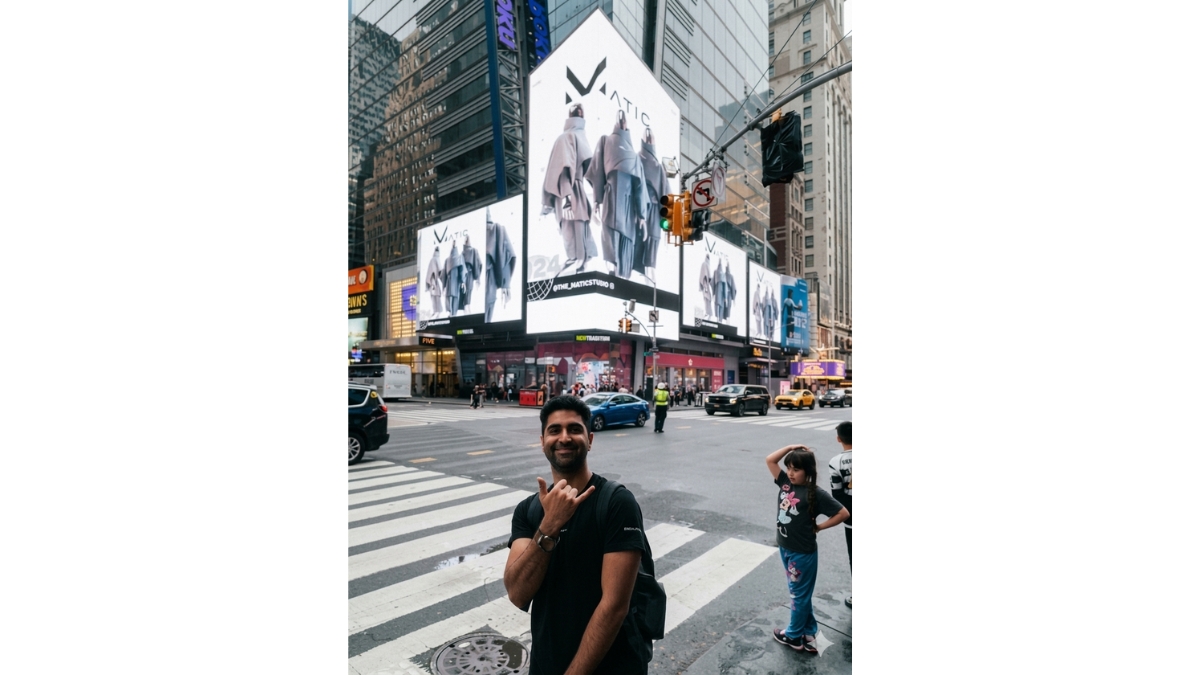
Major brands such as Samsung, Intel and Tata Motors are part of The Matic Studio’s portfolio. These large, international clients demand not just creativity but an integrated approach, consistent branding across multiple platforms and the ability to tailor communication to various international audiences. In today’s landscape where campaigns are often spread across various platforms-from social media feeds to entire digital screens-brands require their creative partners to deliver unified stories across the board.
The role of technology in the continuing evolution is critical. While 3D visualisation is a mature technology which has found widespread application from advertising to gaming, AI is a newer development that has applications ranging from brainstorming and storyboarding to efficient workflow optimisation. Vohra believes it is here to help, but not to replace human creativity, a notion amplified by the current concerns around authentic artistic output.
A key facet of The Matic Studio’s approach is to communicate and simplify complex ideas. In a content-saturated, digital world where users are constantly bombarded with thousands of messages a day, a clear and concise story becomes an advantage. Vohra uses simple visual metaphors and narratives to ensure that the message not only connects but is quickly and easily understood.

