



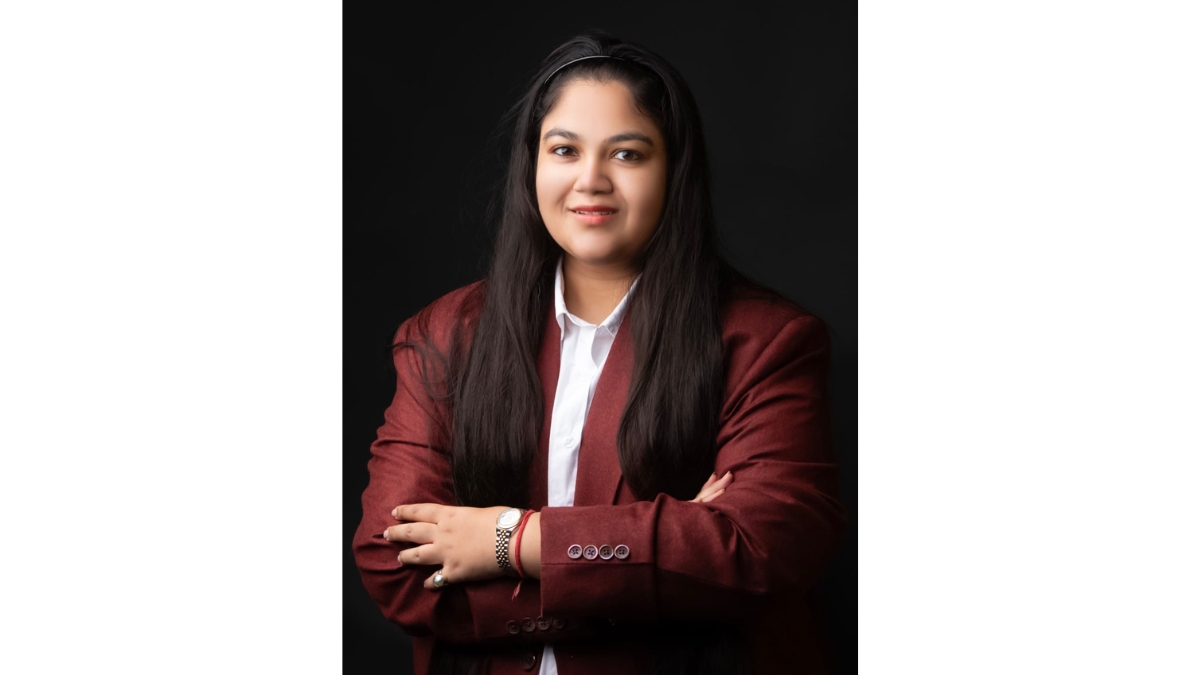
In conversation with Rishika Kedia, Additional Executive Director of the company behind the iconic “Mala Saree” brand
New Delhi: As India’s textile industry undergoes a rapid modernization, one name stands out for seamlessly blending traditional craftsmanship with sharp business acumen—Rishika Kedia. Steering the company behind the beloved “Mala Saree” brand, Kedia is now preparing for a transformative IPO journey. With a sprawling distribution network of 3,000 retailers across 20 states and a vibrant portfolio of over 600 unique designs, the company is a genuine powerhouse in the competitive cotton saree segment.
In this exclusive interview, Kedia opens up about managing a vast job-worker network, navigating price-sensitive B2B markets, and the strategic financial discipline driving their next phase of growth.
Managing 200+ Job Workers Without Fear of Competition
With over 200 job workers handling a significant portion of manufacturing, ensuring rigorous quality control while preventing direct competition is a delicate balancing act. Kedia, however, views this extensive network not as a risk, but as a formidable strategic strength.
“Manufacturing is only one part of our business. Our real strength lies in designing, sourcing, quality control, branding, and our nationwide distribution network,” she asserts. Every saree, whether produced in-house or by a job worker, passes through a stringent quality inspection before it reaches the market. “We provide design specifications and closely monitor the production process. Even if someone can manufacture a product, building a trusted brand, maintaining over 600 designs, and serving more than 3,000 retailers across 20+ states requires years of experience. That is our real competitive advantage.”
Building Customer Loyalty in a Price-Sensitive B2B Market
In the fiercely competitive B2B textile segment, price wars are inevitable. Yet, the “Mala Saree” brand has successfully retained its loyalists by offering more than just competitive pricing. “Price is important, but it is not the only factor,” Kedia explains. “Our customers value quality, consistency, timely delivery, and fresh designs.”
By constantly refreshing their collection based on evolving market preferences, the company has solidified decade-long relationships with brokers, wholesalers, and dealers. “While customers may compare prices, they ultimately stay with brands that deliver reliable quality and dependable business support,” she adds, underscoring that trust is the currency that truly matters in this industry.
The Financial Balancing Act: Debt, Margins, and Sustainable Growth
The company’s debt-to-equity ratio has shown marked improvement, moving from 3.08 to 2.51—a clear sign of careful financial stewardship. Kedia is optimistic about the post-IPO trajectory. “Since the IPO proceeds are being utilised for working capital, we expect our dependence on short-term borrowings to reduce gradually,” ss says. His objective is efficient capital utilization and improved internal cash generation to steadily strengthen the balance sheet.
On protecting the 7.3% EBITDA margin from the volatility of cotton prices, he adopts a holistic and partner-friendly approach. “Cotton and yarn fluctuations are a normal part of the business. We manage costs through better planning, efficient procurement, and reducing wastage,” he notes. Crucially, he emphasizes long-term relationships: “We want to grow together with our partners rather than squeezing them. Sustainable growth requires every stakeholder in the value chain to benefit.”
The Digital and Regional Expansion Roadmap
The company has raised ₹18.9 crore specifically for working capital, and the deployment of these funds is laser-focused on clear operational milestones. “We aim to maintain better inventory levels, improve procurement planning, and ensure faster execution of customer orders,” Kedia states. Geographically, the focus is on expanding the distribution network, particularly in South India, while simultaneously introducing higher value-added products like embroidery, zari work, and digitally printed sarees.
Regarding digital B2B commerce via platforms like SOLV, Kedia sees it as a powerful complementary tool rather than a replacement for traditional channels. “Digital B2B commerce is still a relatively small part of our business, but it has significant long-term potential. It allows us to reach retailers in smaller towns more efficiently,” she says. “We see technology as a tool to support our existing business, not replace it.”
The Road Ahead
As the company prepares for its public listing, it stands at an exciting crossroads. By balancing the demands of a traditional, unorganized industry with the rigors of modern financial discipline and digital expansion, Rishika Kedia is poised to write a compelling new chapter.
The journey from a regional player to a pan-India textile powerhouse is a testament to a powerful belief: in the fabric of Indian business, trust, quality, and innovation are the threads that truly hold everything together. With the IPO as a catalyst, Kedia is not just weaving sarees—she is weaving the future of India’s textile entrepreneurship.

