



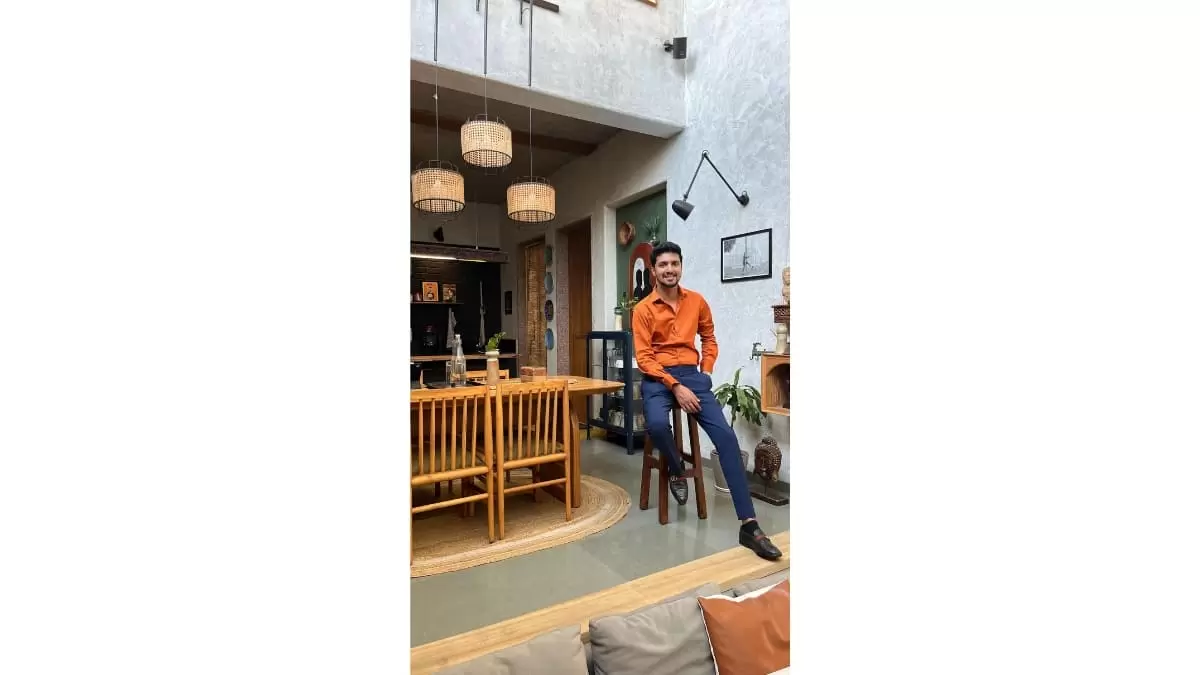
In this exclusive interview, Abel shares his vision for India’s startup revolution, the economic transformation underway, and why he believes the nation’s entrepreneurs are not just changing their lives — they’re shaping the destiny of the country.
“India Is No Longer Waiting — We Are Creating.”
Q: Abel, India’s startup ecosystem has grown at an extraordinary pace. How do you view this transformation?
Abel Boaz: It’s nothing short of a revolution. For decades, India was known as a country of untapped potential, but today, we are a country of unstoppable entrepreneurs.
The shift is clear — we are no longer waiting for opportunities, we are creating them. There’s a fire in the hearts of young Indians — they don’t just want to work for big corporations, they want to build the next big thing.
Startups are no longer limited to metros — they’re rising from small towns, rural areas, and unexpected corners of the country. Whether it’s a farmer in Madhya Pradesh launching an agri-tech startup or a young woman in Kerala creating a sustainable fashion brand — innovation has no boundaries now.
“Every Startup Is a Spark — Together, They Ignite an Economy.”
Q: How has this startup surge impacted the Indian economy?
Abel Boaz: The impact goes beyond numbers — it’s about new jobs, new ideas, and new hope.
Startups have already created millions of jobs directly and indirectly. But more than that, they’ve sparked a mindset shift. Each startup that succeeds inspires ten others to dream bigger.
I always say — every startup is a spark. Alone, it might be small, but when you have thousands of these sparks across the country — you ignite an economic fire that can’t be put out.
We are not just building businesses — we are building ecosystems. Every successful entrepreneur brings along suppliers, service providers, and job seekers, creating a ripple effect that touches every layer of society.
This is the new India — where startups don’t just chase profit, they create progress.
“The Government Is No Longer Just a Regulator — It’s a Collaborator.”
Q: How do you see the government’s role in this startup boom?
Abel Boaz: The government has become more than just a regulator — it’s a collaborator in the startup journey.
Initiatives like Startup India, Make in India, and Atmanirbhar Bharat have transformed the entrepreneurial landscape. It’s no longer about red tape — it’s about red carpets for innovators.
Access to funding, tax incentives, and easier compliance processes have given startups the push they needed. But more importantly, there’s a mindset shift — the government now views entrepreneurs as nation-builders.
When the government backs its startups, it sends a clear message: your ideas matter, your dreams matter, and your success is India’s success.
“Success Is Not About Building a Unicorn — It’s About Solving a Real Problem.”
Q: You’ve worked closely with startups through Abellian Finman. What’s the one piece of advice you give to young founders?
Abel Boaz: Solve a real problem — that’s it.
Success isn’t about becoming a unicorn overnight — it’s about becoming irreplaceable by solving something meaningful.
The most impactful startups today — in fintech, agri-tech, or health tech — didn’t chase valuations; they chased solutions.
If you focus on fixing a real issue — whether it’s helping farmers get better prices or creating organic skincare rooted in ancient science — the money will follow the mission.
I always tell young entrepreneurs: Don’t build for fame, build for impact.
“We Are Not Competing with the World — We Are Leading It.”
Q: Abellian Cosmetics & Wellness focuses on blending tradition with innovation. How does that reflect your vision for India’s future?
Abel Boaz: Just like India’s startups are redefining technology and finance, we want to redefine beauty and wellness.
Abellian Cosmetics is about crafting luxury skincare inspired by ancient traditions — like Ayurvedic rituals and Egyptian beauty secrets — but blending it with modern science.
Why? Because I believe India shouldn’t just follow global trends — we should set them.
We have a rich heritage — whether it’s in wellness, design, or innovation — and now is the time to bring it to the global stage.
The new India is bold enough to say: We are not competing with the world — we are leading it.
“The Future of India Is Being Built — One Startup at a Time.”
Q: Finally, what’s your hope for India’s startup ecosystem?
Abel Boaz: My hope is simple — that we never stop building.
The future of India is not just in the hands of politicians or big corporations — it’s in the hands of entrepreneurs.
Every time someone dares to start a business, create a product, or solve a problem — they’re not just building a company, they’re building India’s future.
I want every young entrepreneur to remember this: You are not just the founder of a startup — you are the architect of a new India.
We are not waiting for change — we are the change.
With leaders like Abel Boaz at the helm, India’s startup revolution is more than just a trend — it’s a movement. One where ambition meets action, and where every dreamer has a chance to build something extraordinary.
As India marches forward, the message is clear: this is the time to create, to innovate, and to lead.

