
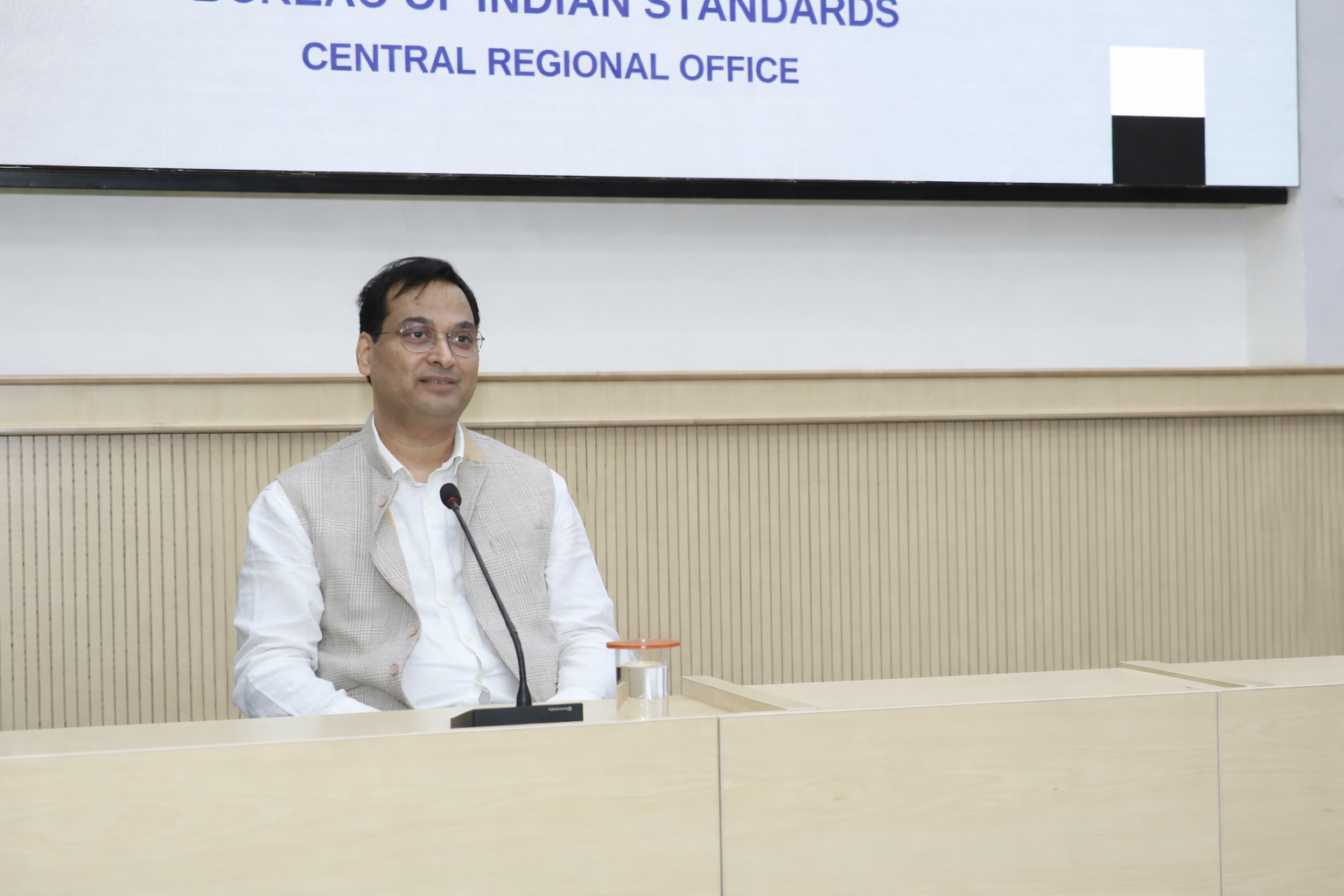








At a time when industries are rapidly changing, having a degree is no longer enough—what truly matters is the ability to apply knowledge in real situations. Highlighting this reality, Dr. Abbas, Director of the Institute of Good Manufacturing Practices India, shared valuable insights from his 25+ years of experience across pharmaceuticals, food, healthcare, and training sectors.
Dr. Abbas started his journey in a regulatory environment as a Principal Quality Officer at Dubai Central Laboratory. This role gave him a strong foundation in structured quality systems and compliance practices. Over the years, he worked across different industries, helping organizations develop efficient operational models and skilled teams. He believes that capacity building is not just about teaching concepts but about turning regulatory knowledge into practical, job-ready skills.
Talking about India’s education system, Dr. Abbas pointed out that a gap still exists between academic learning and employable skills. While students understand theoretical concepts, many struggle when it comes to real-world execution. According to him, industries today need professionals who can conduct audits, manage documentation, and ensure compliance—not just graduates with degrees. To address this, IGMPI focuses on practical training methods like simulations, case studies, and hands-on learning.
On regulatory compliance, Dr. Abbas noted that India has made significant progress in awareness, especially in organized sectors like pharmaceuticals and food. However, the challenge lies in consistent implementation. Many organizations still treat compliance as an audit requirement rather than a daily practice. He emphasized that successful companies are those that integrate compliance into their work culture through continuous training and awareness.
Sharing a real-life example, Dr. Abbas recalled a moment when a trained professional identified a compliance gap before an inspection team could detect it, preventing a possible shutdown. He highlighted that such outcomes show how effective training can protect not just careers, but also organizations and public safety. So far, more than 1,800 professionals from leading global companies have been trained under his guidance.
Receiving the prestigious D.L. Shah National Quality Award marked a significant milestone for the institute. It strengthened their commitment to delivering quality-focused training programs. Dr. Abbas said that such recognition serves as motivation to continuously improve course design, evaluation methods, and learning outcomes.
In response to changing industry needs, IGMPI has also expanded into areas like digital forensics and cybersecurity. Dr. Abbas explained that as industries become more digital, risks related to data security and cyber threats are increasing. Therefore, compliance today goes beyond physical processes and includes digital systems as well.
Speaking on cybersecurity, he stressed that it is not just a technical issue but an organizational responsibility. Startups and professionals must adopt secure data practices, maintain proper documentation, and stay audit-ready from the beginning. Even small mistakes can lead to major risks in compliance-driven industries.
To improve the connection between academia and industry, Dr. Abbas suggested involving industry professionals in curriculum development. He also highlighted the importance of project-based learning, which helps students understand real-world challenges and prepares them for smoother transitions into the workforce.
Ending on a note of advice, Dr. Abbas encouraged young professionals and entrepreneurs to focus on discipline, integrity, and continuous learning. He emphasized that long-term success depends on building a strong foundation, staying ethical, and adapting to industry changes over time.