



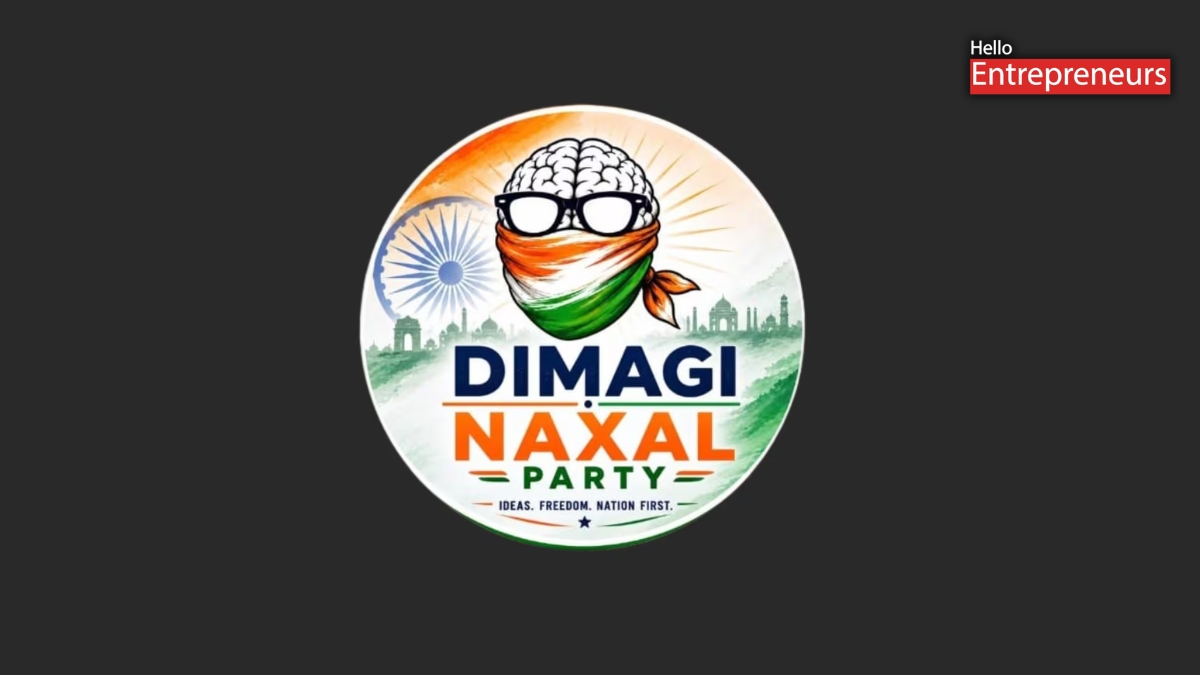
New Delhi: The term “Dimagi Naxal” has suddenly become a political buzz word in India. The phrase is being employed on multiple platforms including television debates, social media postings and political statements. However, what exactly has all this noise caused by a phrase that’s just two words long?
It gained popularity with the enactment of the term by Prime Minister Narendra Modi on August 15, 2026, in his Independence Day Speech from the Red Fort. While ‘armed Naxalism has been shot down,’ there are people with ‘Naxal thinking’ still alive, Modi said in the speech, adding that they could ‘take the country in a wrong direction’. He called for such people to be identified and isolated.
What does “Dimagi Naxal” mean?
Simply put, Dimagi Naxal is the one who is accused of supporting or promulgating the Naxal/Maoist activities through his or her thinking, writing, speeches or influence without resorting to any direct violence.
But, it is vital that the term “Dimagi Naxal” is not a legal designation and not a crime. A political term that refers to those who are perceived to be ideologically inclined towards Naxalism.
There are parallels with the earlier political usage of “Urban Naxal” which have also appeared in Indian political and public discourse.
Why is it trending so much?
The prime reason is the time and context when the phrase was employed. It was in the Prime Minister’s Independence Day speech, one of the most viewed political speeches in the country.
Opposition leaders immediately lambasted the comment. Congressman P. Chidambaram even boasted that he was a “proud Dimagi Naxal.”
Union minister Kiren Rijiju then sought to clarify what the government had said with the intention of not targeting opposition leaders as a whole.
The term was then taken off politics and into the social media culture. The hashtag, post or meme form was tweaked by “Dimagi Naxal” which started working in various ways. This brought another controversy when a satirical group on social media dubbed Dimagi Naxal Party went viral.
Why is the phrase creating such a strong reaction?
The debate focuses largely on who can be considered to be a “Dimagi Naxal.” Those who favor the government’s stance view the word as a caution to those who excuse and/or endorse violent Maoist ideology. Such a all- inclusive term could be applied to anyone who disagrees with the government, critics say.
Thus, the phrase has taken on a life of its own. For some, it is a genuine threat to the national security. For others, it has turned into a political designation and a sign of the rising issue of dissent and free speech.
So far “Dimagi Naxal” is not an organization, but rather a political term that has been put on the public agenda of India. It is a testament to its spreading almost as quickly as it can be said in a political address that it has become a national discussion, in the era of social media.

