



New Delhi: The United States has made major ground-breaking progress in the whole West Asia battle, and Iranian authorities have indicated that they are hopeful of peace following months of fighting throughout the area. This transaction is likely to be agreed upon in Geneva later this week, and if done successfully, could help head off high-stakes instability for world energy markets and many other regions.
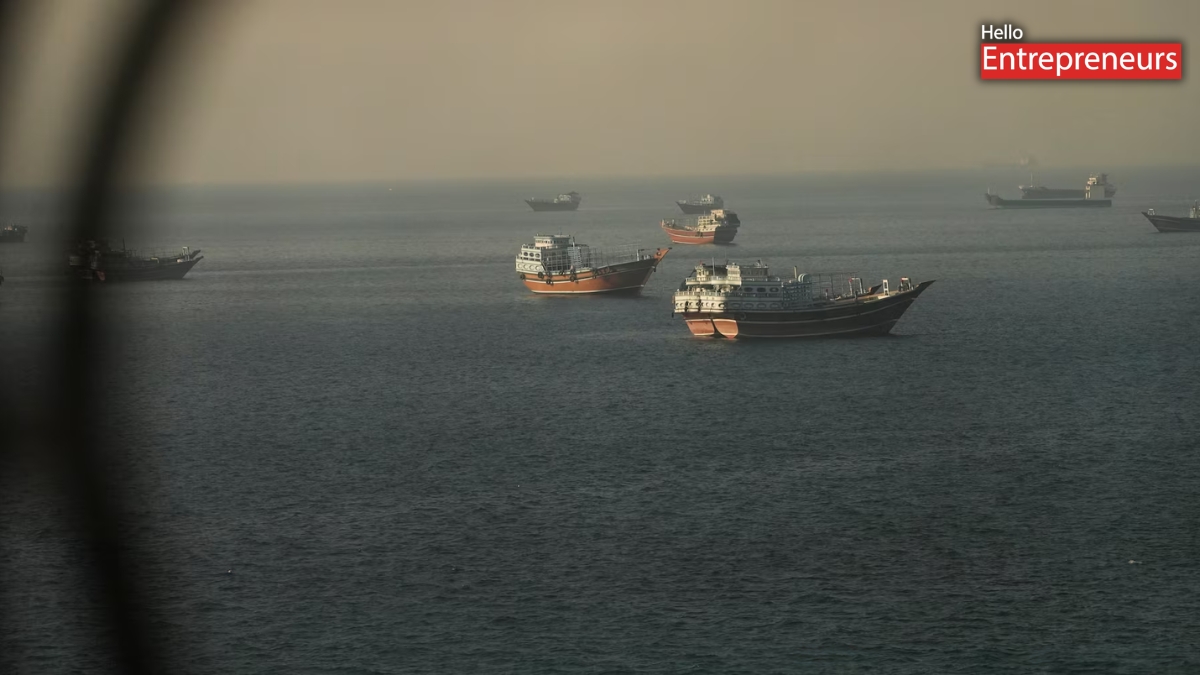
Iran has reportedly agreed not to make nuclear weapons and to let international inspectors monitor Iran’s nuclear program. In turn, negotiations are ongoing about economic relief and future cooperation. Part of the deal is for the resumption of the strategic Strait of Hormuz, which is the busiest oil shipping route in the world. The restart should help to restore energy supplies and relieve pressure on oil prices worldwide.
The conflict started in the early part of this year following the joint U.S. and Israeli military operations against Tehran’s nuclear facilities, triggering a counterattack from Iran and its allies with missiles and drones, respectively. The conflict disturbed the shipping of the Gulf area, led to higher oil prices, and raised concerns of a broader regional conflict.
It has been a positive development; there are still a number of challenges to traverse. Israel has voiced concerns regarding the agreement and said it will act against threats emanating from Iran and its allies, including Hezbollah. Israeli leaders say the agreement doesn’t sufficiently resolve overall concerns about regional threats and missile development by Iran.
Reaction in Iran has also been mixed. The agreement has been welcomed by parts of the country’s leadership, but some hard-line groups have questioned the process of negotiation and faulted the government for its willingness to compromise. But the main institutions in Iran seem to be cognizant of the deal as a solution to the conflict and to stabilize the economy.
The news was greeted with a positive reaction from financial markets internationally. Oil prices tumbled as traders struck a more optimistic tone for energy supplies, once the Strait of Hormuz is opened up. Indian stocks jumped sharply, and the rupee up against the U.S. dollar, after the peace accord was announced.
The agreement is a significant development in the drive to peace, but experts warn that either side is not fulfilling their part of the agreement. Additional trilateral talks are to take place in the days ahead to clear up tensions, such as Iran’s nuclear ambitions and larger security concerns in the region. So far, the pact has provided a welcome break from months of upheaval and strife in the area.

