



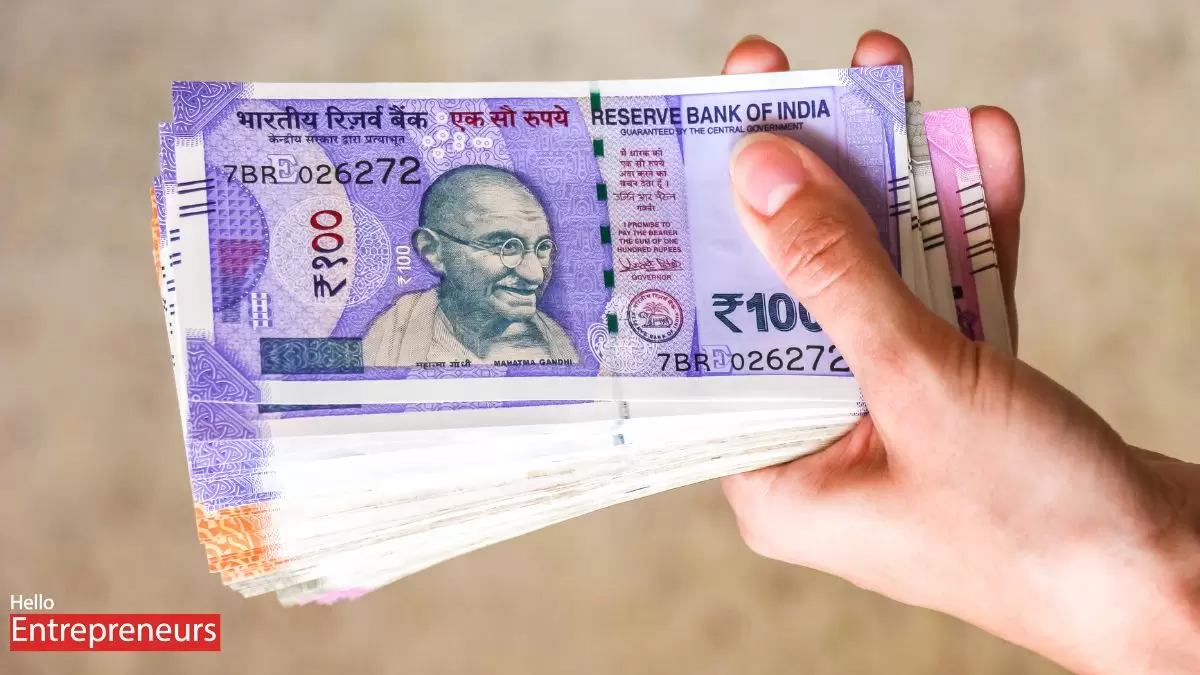
New Delhi: In a move that aims to guarantee access to low denomination banknotes to everyone, the RBI has directed banks to ensure ample availability of Rs.100 and Rs.200 notes in ATMs across the country.
By September 30, 2025, each ATM will have at least 1 cassette filled with Rs.100 and Rs.200 notes. Typically, ATMs have 4 cassettes that can hold 22 packets of bank notes. With this move, the banks will be forced to dedicate one cassette of each ATM with low denomination notes. Earlier, the banks had greater freedom to determine the volume and type of banknotes every ATM could have, based on location, volume of notes dispensed and other factors. With this strict RBI directive, the banks and third party White Label ATM operators will have to re calibrate their ATM cassettes and volume of banknotes to meet these guidelines. This may also mean refilling the machines more frequently, especially in remote areas where online payments don’t work as they should.
Why is such a move necessary?
The RBI wants to make sure low-denomination notes are easily available, especially in areas without much banking infrastructure. Although more than 40% of all financial transactions are now digital, and even rural areas have embraced UPI, physical cash is still needed in case of emergencies.
Earlier, the RBI directed banks to accept Rs.2000 notes for exchange up to Rs.20,000 without any requisition slip. Though the RBI issued this in 2023, it did not require people to complete this within a certain date, to avoid any kind of mad rush and other complications that the 2016 demonitization exercise bought with it.
With UPI-based transactions having their share of risks and fraud, the RBI is using this directive as a way to offer easier payment alternatives. The RBI is aiming to get more than 90% of ATMS to have lower denomination notes by March 31, 2026.

