



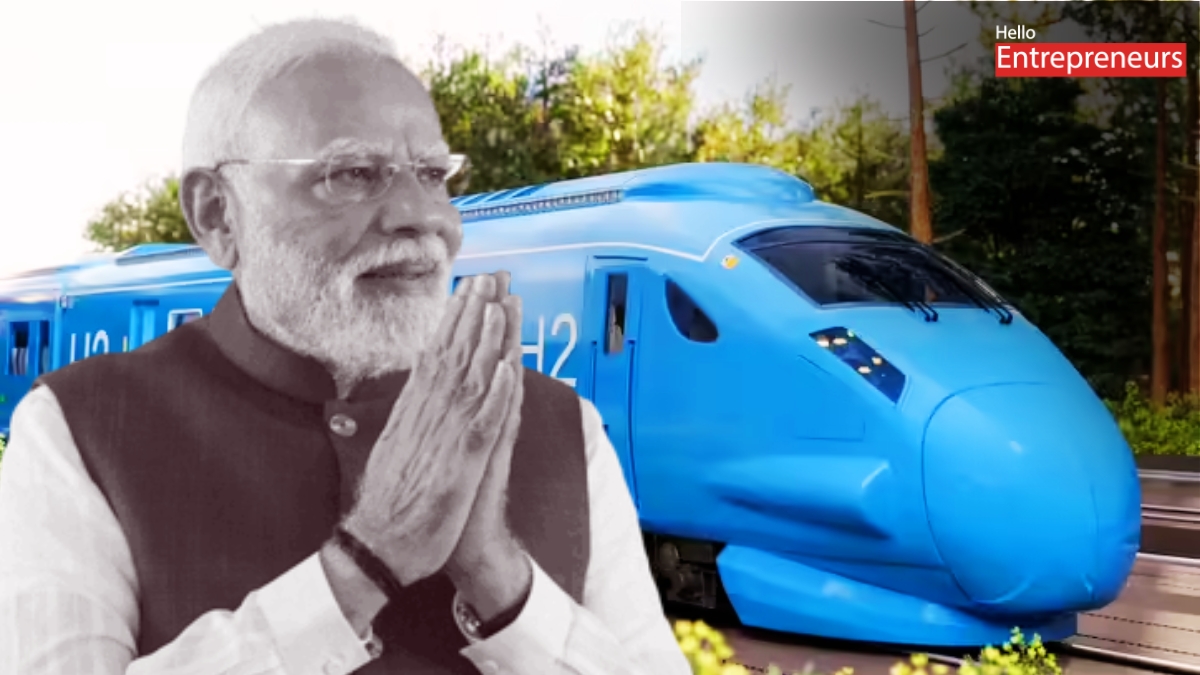
Prime Minister Narendra Modi is set to launch India’s first passenger train powered by hydrogen fuel cells at Jind railway station in Haryana on Friday, July 17. It’s a big step forward for Indian Railways as they move toward cleaner, greener transport.
The train will start running on the 89-kilometer stretch between Jind and Sonipat, under the Northern Railway. Modi’s flag-off is scheduled for around 11 am and will be part of his broader visit to Haryana, Chandigarh, and Punjab.
This hydrogen train isn’t imported or adapted from elsewhere—Indian engineers designed, built, and integrated it here as a pilot. The goal is to see how well hydrogen-powered passenger trains work, day to day, on real railway tracks and in true Indian railway conditions.
It’s got ten coaches: two Hydrogen Driving Power Cars and eight for passengers. At full tilt, the train can carry nearly 2,600 people. Both power cars use 1,200-kW propulsion systems, which together churn out something like 3,200 horsepower. On this first route, it’s cleared for a top speed of 75 kmph, though technically it can go up to 110 kmph.
The route connects Jind Junction, Gohana Junction, Sonipat, and a bunch of smaller stops—Jind City, Pandu Pindara Junction, Bhambhewa, Mohana, and Barwasni Halt among them.
So, how does this new train actually work? There’s no engine burning diesel at the front. Instead, hydrogen fuel cells power everything—Proton Exchange Membrane cells let stored hydrogen mix with oxygen from the air, producing electricity for the motors. There are lithium iron phosphate batteries onboard too, which help balance out power demands. The only stuff coming out of the system is water vapor and heat. No smoke, and no carbon emissions from the tailpipe. And because the train generates its own electricity, it doesn’t depend on overhead power lines.
Still, the overall impact on the environment depends on where the hydrogen comes from. If you make hydrogen with electricity from wind or solar—what’s often called “green hydrogen”—it’s much better for the planet than making it with fossil fuels.
To support the train, Indian Railways has set up a dedicated hydrogen facility at Jind. They’ll make hydrogen right there using electrolysis, compress it to 500 bar, and fuel up the train at 350 bar. The system can stockpile almost 3,000 kg of hydrogen and refuel both power cars at the same time.
Everything’s been cleared by the Petroleum and Explosives Safety Organisation, from storage to dispensing. The train and plant are rigged with sensors for leaks, flames, heat, and smoke, plus built-in ventilation and auto-shutdown systems. German engineers from TÜV SÜD ran a full safety assessment before launch, and specially trained staff will travel on board for the first runs.
The whole effort is a product of Indian engineering. Research Designs and Standards Organisation led the specs and approvals, Medha Servo Drives put the train together, and Integral Coach Factory handled how it looks. With this project, Indian Railways gets hands-on experience in handling hydrogen—storage, refueling, maintenance, running passenger operations, all of it. If things work out, you might see hydrogen trains on routes where it’s tough or too expensive to stretch electrified lines—for instance, on remote or heritage railways like Kalka–Shimla.
This fits right into the country’s bigger Green Hydrogen Mission, which aims to grow India’s own green hydrogen technology, supply, and infrastructure.
Hydrogen trains probably won’t take over the whole network or replace electrification everywhere. But for selected routes—especially regional or hard-to-reach lines—they could offer a cleaner alternative to diesel, making rail journeys better for the environment, and for all of us.

