



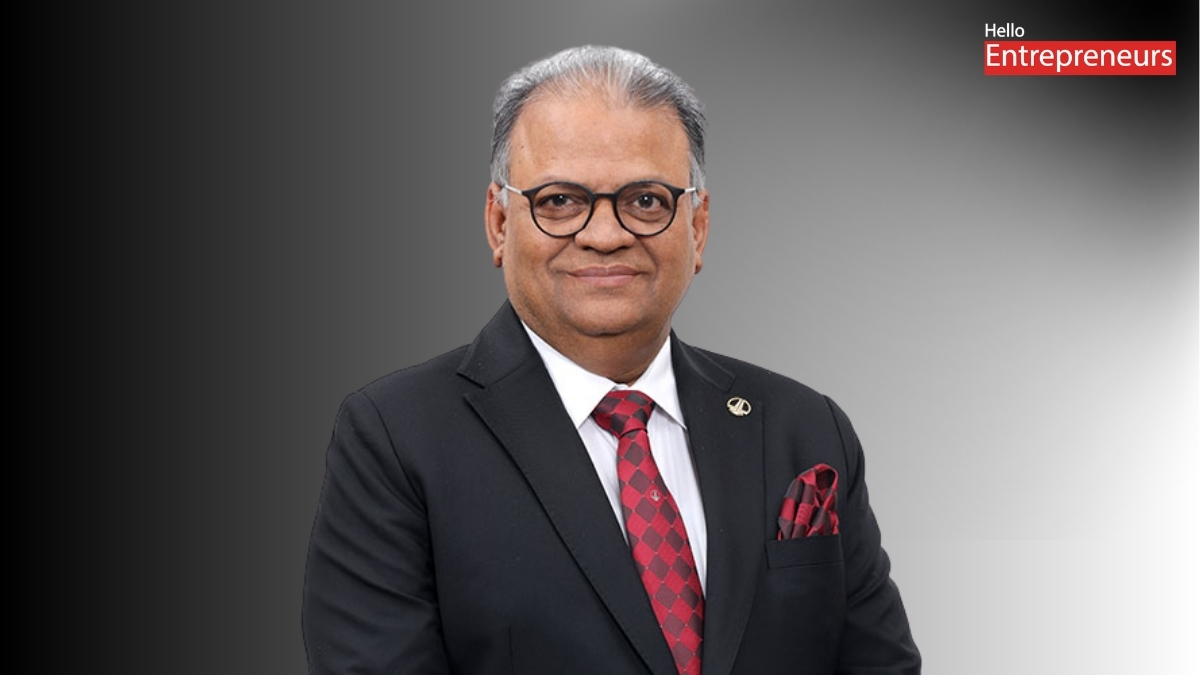
India emerged from the 2026 Strait of Hormuz disruptions “not affected even a bit,” Oil and Natural Gas Corp. (ONGC) Chairman Arun Kumar Singh said, as the state energy giant announced a five-year, ₹1.07 lakh crore investment plan spanning deepwater exploration, strategic crude storage, and an overseas trading desk.
Speaking to reporters after ONGC’s 33rd Annual General Meeting on August 31, Singh recalled his earlier warning that a Hormuz shutdown would cripple India’s oil supply. “Hormuz band ho gaya, India ko dhele bhar ka fark nai pada,” he said, crediting abundant global supply and diversified sourcing for the country’s resilience.
“Man-Made Problems” vs Market Reality
Singh noted that if all geopolitical frictions were removed, the world currently has a surplus of roughly 7 million barrels per day (bpd) of crude oil. More than 60 percent of India’s crude imports are now decided cargo-by-cargo based on price, he told ANI, with long-term term contracts steadily declining.
The Strait of Hormuz, which channels about a quarter of global seaborne oil trade, faced repeated disruptions starting late February 2026 amid U.S. and Israeli military operations against Iran. India responded by rerouting nearly 70 percent of its crude imports away from the strait, up from 55 percent previously, absorbing more supply from non-Gulf sources.
Deepwater Bet: 87 New Wells by 2031
ONGC plans to invest ₹1 lakh crore (about $10.5 billion) over the next five years to drill 87 deepwater and ultra-deepwater wells by March 2031, according to Reuters. “We believe that the frontier that is awaiting us is deep water and ultra-deep water,” Singh said at the AGM, as reported by the Financial Express.
The push comes as India seeks to reduce its import dependence — currently above 85 percent — by unlocking domestic resources in challenging offshore basins. Deepwater projects, while capital intensive and technically complex, offer the potential for large-scale discoveries that can meaningfully alter the country’s production profile.
Strategic Reserve at Mangalore
In a separate move to bolster energy security, ONGC will spend about ₹7,000 crore ($736 million) to build a 1.75-million-tonne strategic petroleum reserve at Mangalore in Karnataka. The facility, capable of holding roughly 13 million barrels of crude, will be constructed on land already acquired, with work set to begin soon.
India currently holds around 5.33 million tonnes of emergency crude across three sites in the south. The new Mangalore reserve would add about one-third to that dedicated capacity, strengthening the country’s buffer against future supply shocks.
Global Trading Desk in Dubai or Singapore
ONGC is also in advanced talks to set up an overseas crude, fuel, and natural gas trading desk — likely in Dubai or Singapore — aiming to handle about 50 million tonnes annually. Singh said the company hopes to have the platform operational by the end of 2026, giving ONGC greater control over purchases, sales, and price exposure in international energy markets.
The move mirrors steps by other national oil companies to integrate upstream production with downstream trading, allowing them to optimize margins and hedge against volatility. For India, which imports more than 5 million bpd of crude, a dedicated trading arm could improve negotiation leverage and supply flexibility.
Policy Context and Market Signals
Singh’s comments come amid broader government efforts to insulate India from external shocks. The country has expanded its strategic petroleum reserves, diversified import sources, and encouraged refiners to increase cargo-by-cargo purchases. At the same time, ONGC and Oil India Ltd have been directed to accelerate exploration, particularly in deepwater and frontier basins.
Market analysts say the combination of diversified sourcing, strategic storage, and aggressive exploration could help India navigate future disruptions more smoothly. However, they caution that deepwater projects carry execution risks and long lead times, meaning import dependence will remain high in the near term.
What This Means for India
Energy security: Additional strategic storage and diversified sourcing reduce vulnerability to chokepoint disruptions.
Domestic production: Deepwater investments aim to unlock new reserves, though results will take years to materialize.
Market power: An overseas trading desk could improve India’s ability to manage price volatility and optimize crude slates for its refineries.
For now, Singh’s message is clear: India’s oil system proved more resilient than expected during the Hormuz crisis, and ONGC is doubling down on long-term investments to ensure that resilience endures.

