


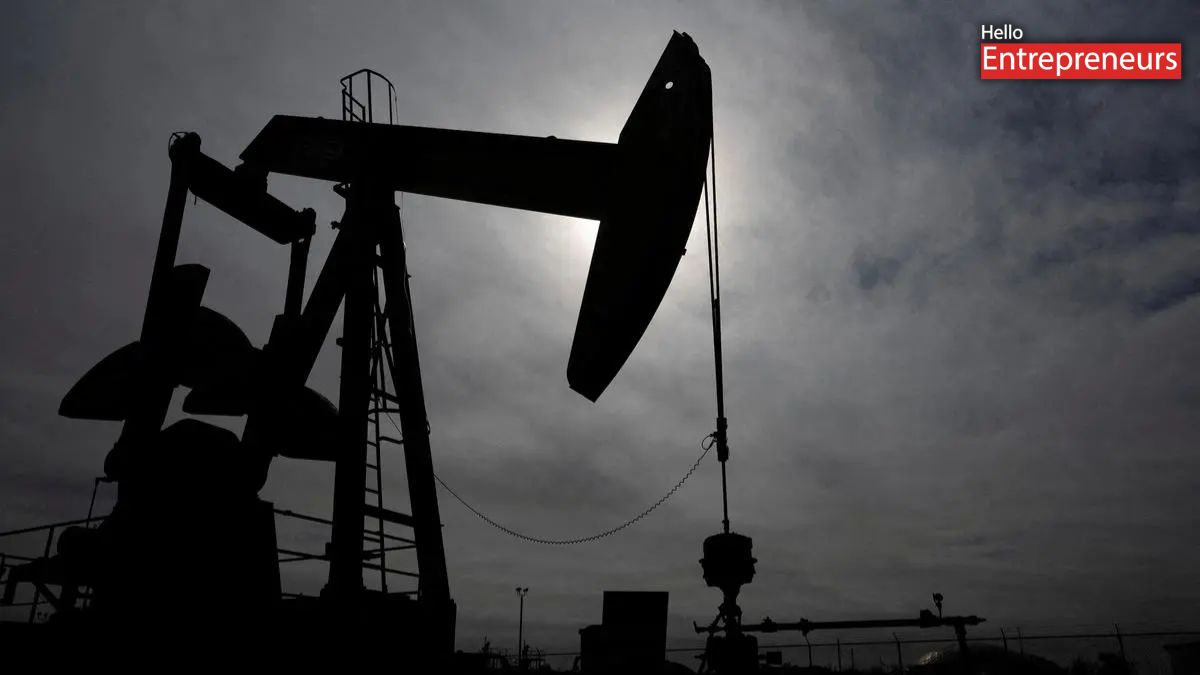
New Delhi: Oil is booming across the globe following new Israeli military activity in Lebanon, which has sparked renewed worries about a broader Middle East conflict. Amidst the spurt in crude oil prices, the mind is again grappling with India’s oil importation dependency and its direct impact on the Indian economy in the times of any belligerence among the nations.
International reports indicated the price of Brent crude oil has risen to above $96 a barrel following renewed strikes against Israel in Lebanon, while U.S. crude oil has surged to more than $93 per barrel. The attacks occurred even as hopes that a ceasefire would be achieved in the area were raised earlier. The war has investors and traders fears it may escalate further and impact oil supplies from the Middle East.
The narrow strait of Hormuz, through which a significant share of the global oil trade moves, is one of the concerns. While the disruption of any part of this path can wreak havoc on supplies, it can also cause an oil price increase even further. Market forecasts suggest that so-far uncertainty over supply is creating a “risk premium” for crude oil prices.
What impact will this have on India?
Over 85% of India’s crude oil consumption is from imports. This can obviously have direct repercussions on the nation’s import bill, if oil prices rise anywhere in the world. At higher oil prices, the oil marketing companies spend more money to buy fuel from the international market. This eventually can result in higher petrol and diesel costs for consumers.
The consequences don’t end at the gas pump. People or companies pay more for transportation because of the higher cost of fuel. The higher fuel prices mean the more it is going to cost to transport goods around. Prices of daily commodities like vegetables, supermarket groceries, electronics, and other consumer goods tend to go up.
One other issue of concern is inflation. Inflation in India has been a challenge to tame but it will be difficult with a rise in crude oil price. An increase in the cost of fuels boosts the cost of goods and services throughout the economy. This stresses normal household budgets and could dampen consumer spending.
The rupees may also be troubled in India. When oil prices go up, U.S. companies want more dollars as Indian companies import oil using dollars. This can affect the value of the rupee vis-à-vis the dollar. The recent price rise in oil has already been affecting the price of the Indian rupee and market sentiment, Reuters reported.
Can fuel prices go up again?
There is a possibility. Indian state-owned fuel retailers had already hiked the prices of petrol and diesel several times in recent weeks in the wake of rising international crude oil prices triggered by conflicts in the Middle East. Any oil prices below current levels or higher would potentially result in further fuel increases for consumers.
Road Ahead
The value of oil will be largely determined by what happens in the Middle East. Prices may stabilize if political tensions are able to calm down and diplomatic efforts are successful. If, however, the conflict spreads and/or impacts upon significant oil supply routes, crude oil prices may be closer to the $100 per barrel mark.
The incident is a throwback to how the world functions for India, as one thing can affect another without a moment’s delay when it comes to something as significant as fuel pricing, inflation, and the overall economic status of the state. Oil markets will be the focus of both exporters and importers in the coming days as the Middle East crisis gets underway.

