


Odisha hasn’t been a part of pubic consciousness for long. Whether it is law and order problems, mega investment parks, or controversies of any type, Odisha has been largely absent from the public glare. And that’s what makes this eastern state special.
In the 1980s, Odisha (called Orissa back then) was grouped with the BIMARU states of Bhar, Madhya Pradesh, Rajasthan and Uttar Pradesh due to its relative backwardness hampered, in part, by the Naxalite insurgency there.
Today, the situation remains far different- the state has been one of the fastest growing in the country, with its Gross State Domestic Product (GSDP)- the total value of all goods and services produced in the state- growing at 7.9%, consistently above the national average of 7.4%.
Though the other BIMARU states have witnessed growth as well, Odisha has stood out, as the government there did make a difference to people’s lives, learnt its lessons in time, and leveraged its natural strengths to become a role model in implementing Acche Din for its people.
Overcoming Conflict with Infrastructure
In the early 2000s, the state faced a big challenge with the Maoist insurgency that plagued many of its forested, mineral rich, tribal districts. This discouraged private investments, and hampered the development of essential infrastructure for these people.
Over the past 25 years, the state has managed to address the insurgency challenge facing its tribal districts, once that was done, the state has worked to enhance its physical infrastructure to attract investment in the state.
Learning from the devastating cyclone in 1999, the state has invested in an advanced early warning system for disaster relief, with hundreds of multi purpose cyclone shelters set up across the state. It has constructed almost 75,000km of roads, connecting far flung remote areas while opening up investment avenues. The state’s railway network has also been electrified, now supporting thousands of kms of new tracks.
Moving up the mineral wealth value chain
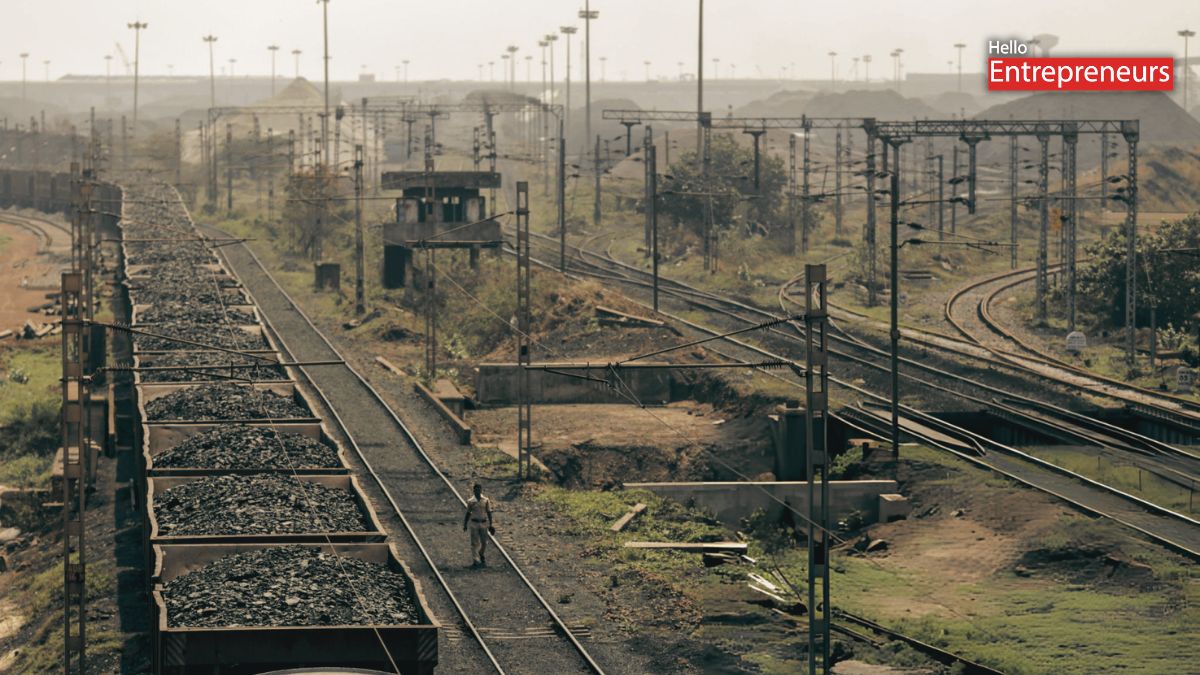
Odisha is blessed with some of the richest geological deposits in the world. It holds over one third of India’s iron ore reserves, almost a third of its coal and massive deposits of Bauxite (for making aluminium). For years, these minerals were mined and shipped out of the state- giving its residents no economic value of its own resources.
Over the years, the state started encouraging value addition, where the state started to attract investments to build steel plants, aluminum smelters and other industrial infrastructure to facilitate industrial output.
Simultaneously, the state developed its cargo handing capacity, with the Paradip port expanded to handle massive cargo ships, transforming Odisha into a vital getaway for trade across the Bay of Bengal through its strategic location.
Economic Diversification: Beyond Heavy Industry
Though heavy metal industries are bringing in massive revenues, relying entirely on mining remains risky. The state has understood this, and has moved beyond industrial manufacturing into employment heavy manufacturing, especially in the seafood and IT sectors.
The state’s large coastline has been used to scale up aquaculture (fish and shrimp farming). Over time, the state has worked to encourage seafood exports to reach almost 1 lakh metric tonnes, generating more than Rs.5,400 crore in export revenue. It has also promoted Bhubaneshwar as a low cost IT destination, with a policy framework to attract investments by global capability centers (GCCs), semiconductors and emerging fields like Artificial Intelligence-based companies.
The state was recently in the news for its 405,000-tonne-capacity green ammonia plant coming up in Gopalpur, with almost $5 billion being invested by ACME in partnership with a Japanese company. That’s not all; the company is building yet another 800,000-tonne green ammonia plant at Paradip, making Odisha one of the largest green fuel manufacturing centers in Asia.
That’s not all; the government is also strengthening this with a dedicated Rs.797 crore green hydrogen and ammonia jetty at Paradip Port that can handle hazardous liquid gas to transport it anywhere in the world.
Given how important it is to strengthen infrastructure for industry, Odisha’s aim to create a whole ecosystem speaks a lot about its seriousness for growth, with the state offering large land parcels to companies, coming pre-arranged with economic and other regulatory clearances.
Prudent Fiscal Management
For all the incomes these industries have generated, Odisha hasn’t spent them haphazardly for its own use. The state has had a healthy 13.6% debt to GSDP ratio, the lowest amongst growing states and well below the 25% limit set.
It has invested heavily into building long term assets- schools ports, highways and irrigation canals as it looks to help the population generate song term wealth. In fact, it has an investment rate that is currenlty the highest amongst all major Indian states at 6.6%, ensuring that today’s savings are building the foundation for tomorrow’s growth.
Conclusion
If there is one state that has had a unified intention to boost the well being of its people without vested interests come in its way, Odisha is emerging as the best example It has achieved high growth without relying on excessive debt. Though there are challenges with the standard of living, education and rural income levels, the state has worked towards boosting economic prosperity, without letting politics or ego get in the way.

