



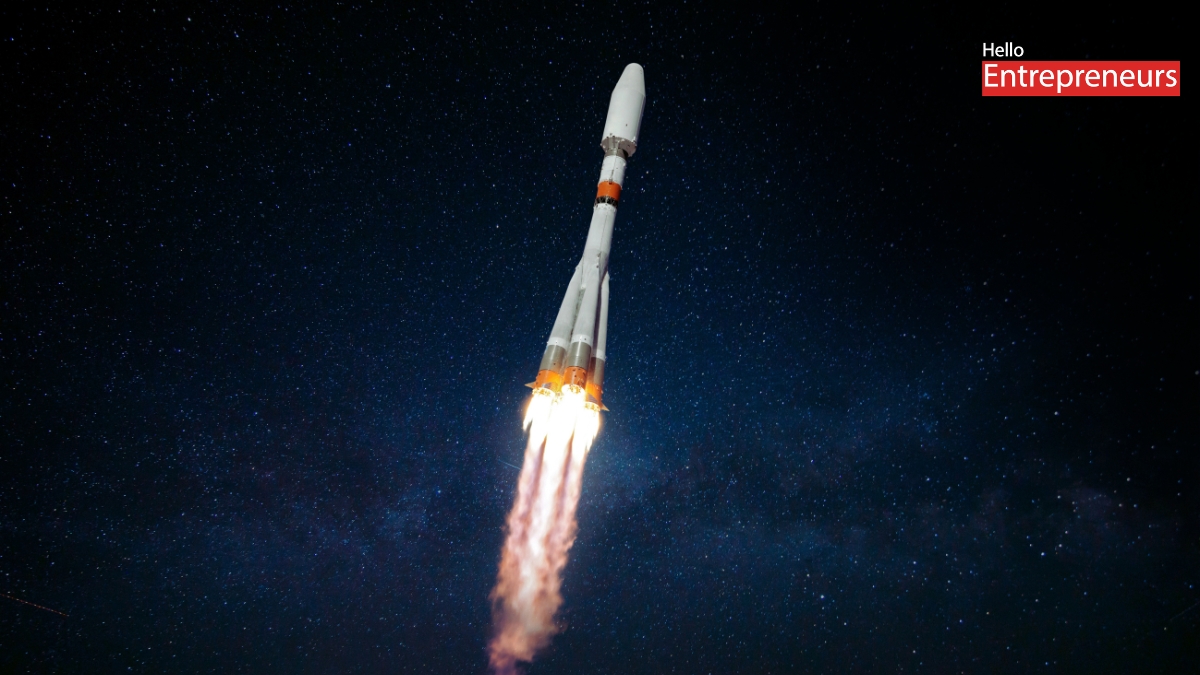
New Delhi just saw a major shakeup in India’s space game: ISRO is stepping out of the rocket-building business. From now on, private companies will take over manufacturing all launch vehicles. This officially ends ISRO’s monopoly and hands the reins to industry.
IN-SPACe’s chairman, Dr. Pawan Goenka, laid it out during the India @100 Economy Summit. He said ISRO won’t build any more rockets—at all. That whole job goes to private firms or possibly public sector units, but for the bigger, flagship vehicles, even those are off the table for PSUs.
The handover has already started. ISRO’s Small Satellite Launch Vehicle (SSLV) was the first to make the leap, going to Hindustan Aeronautics after a round of competitive bidding. Next up: the big workhorses, PSLV and LVM3. Those are heading down the same road, and only private industry will get to run with them.
This is no small policy change. Goenka made it clear—public sector undertakings can’t bid for PSLV and LVM3 production. The private sector will have full control.
While manufacturing shifts gears, ISRO’s focus is about to change, too. Instead of banging out rockets, they’ll double down on research and development—scientific missions, cutting-edge tech, and specialized satellites that private industry still can’t do on its own.
ISRO has already passed over 120 technologies to private players. There’s also a plan in motion to give a brand new launch center to private hands, with an operator set to be picked soon—probably within a few months.
All of this fits with India’s push to grow its space economy from $8 billion now to $44 billion by 2033. According to Goenka, there are three big drivers: government demand, cracking into the global market, and getting non-traditional industries to use space technology.
Already, the Defence Department has ordered 31 satellites from private companies, and ISRO will build another 21 for the same program.
For ISRO, a group that used to do everything itself, this marks a huge shift. They’ll focus on innovation, leaving private industry to build and sell. It’s the same model NASA and other big space agencies now use.
People expect this move to boost India’s status in global launch services, drive costs down thanks to competition, and give ISRO more room to chase deep-space, human spaceflight, and advanced propulsion projects.
Investors are watching. Startups and established companies are already lining up to take over the lines for rockets like PSLV and LVM3—the same ones behind India’s big missions, from Chandrayaan to Gaganyaan.
Now that ISRO is leaving the factory floor behind, its legacy isn’t just about what it built. It’s about the industry it just helped kick-start.
This story is based on statements from IN-SPACe Chairman Dr. Pawan Goenka at the India @100 Economy Summit, plus reports from India Today.

