



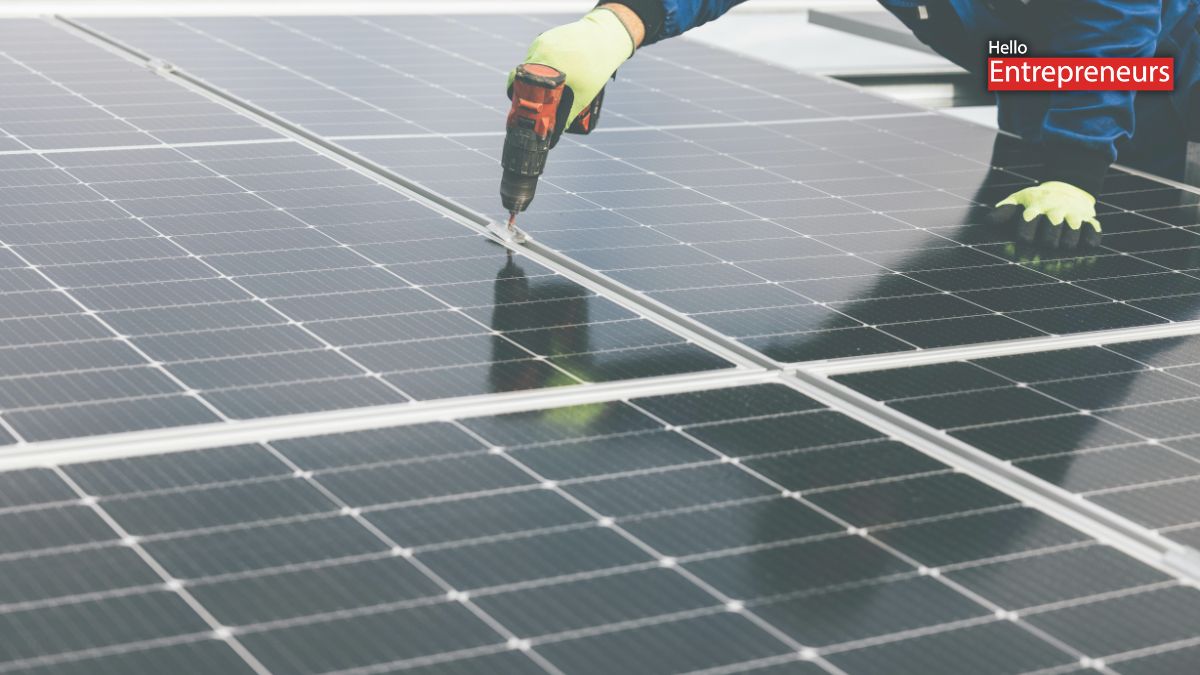
New Delhi: India added 533 GW of renewable energy by March 2026 and is poised to add another 38.5 GW of renewable capacity by the end of the year, a report by S&P Global says. This underscores the government’s committment to boost renewable energy generation as against conventional energy sources. This has been reflected by the low, single digit capacity addition for conventional energy sources, where just 3.7 GW of thermal energy, 1.1 GW for hydro energy and 1 GW of nuclear energy generation has been recorded.
The “Renewable First” Reality
This addition has come primarily due to the unstoppable rise of solar energy, where government subsidies and large scale solar parks have helped solar energy leapfrog other sources. Upto March 2026, 6.5GW of wind energy capacity has also beein installed, the highest ever in a single year.
Conventional Power: The Slow Lane
On the other hand, traditional energy sources like coal, hydro and nuclear have trailed mainly due to the structural challenges with these energy sources. The total capacity for coal added was mainly by upgrading existing infrastructure, while hydro capacity has been increased slowly due to continued environmental and geological hurdles.
Power Demand vs. Capacity Growth
Though capacity growth has been in line with demand, the focus should now fall on upgrading the power infrastructure, including transmission, storage and grid flexibility. A late monsoon had lowered power demand in 2025-the first since the pandemic- but the ongoing heat wave conditions are expected to boost demand this year. The biggest challenge for the sector will be to build the infrastructure to effectively utilize the capacity.

