



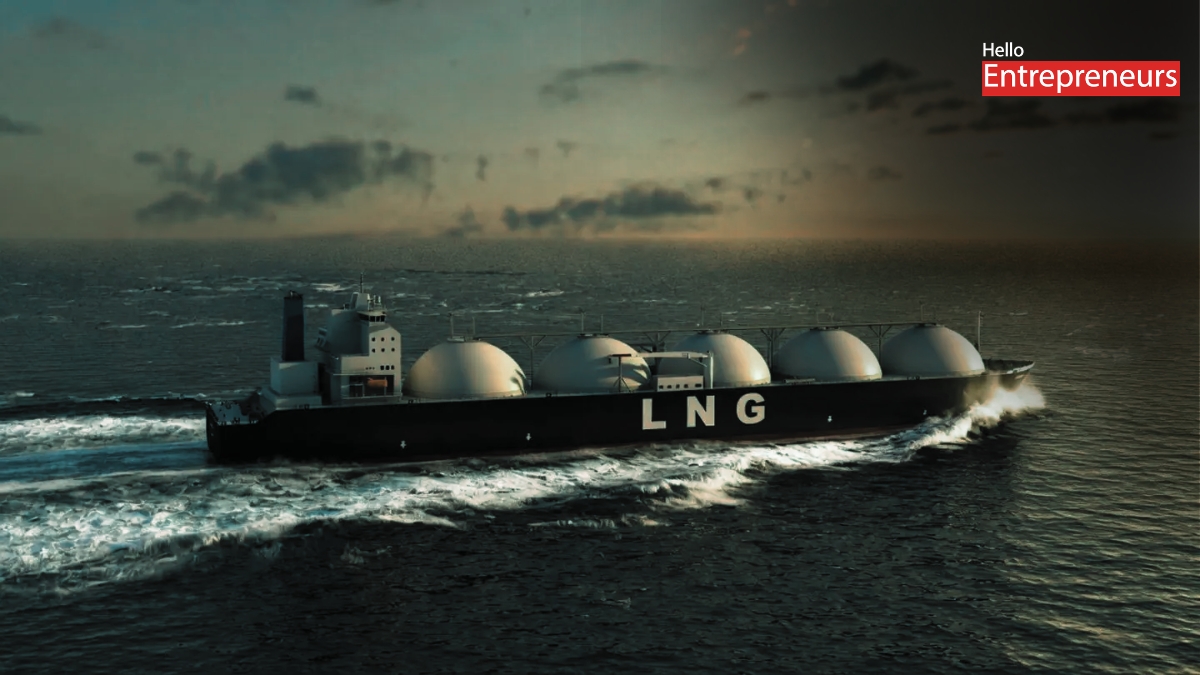
India’s energy import bill is taking a hit again, as the Iran conflict throws global LNG supplies into chaos and pushes Indian companies to pay the steepest prices in years. State-owned GAIL India and Gujarat State Petroleum Corporation (GSPC) just spent over $23 per MMBtu for LNG set to arrive in September. That’s a hefty price tag, and it says a lot about the scramble everyone’s going through.
This rush isn’t happening in a vacuum. The Strait of Hormuz—pretty much the artery for much of the world’s oil and gas traffic—has turned into a chokepoint, choking off LNG cargoes, especially for Asian markets. The US Energy Information Administration figures over 10 billion cubic feet per day of LNG got blocked, which is nearly a fifth of global trade. That’s massive.
Then Qatar, usually India’s reliable LNG supplier, got hit hard. Attacks damaged two of its 14 production trains, so QatarEnergy declared force majeure and warned buyers in India, South Korea, Bangladesh, and others that contracts might not be honored. Petronet LNG, India’s biggest gas importer, still doesn’t have a firm supply plan for September. Out of all its Qatari cargoes, 56 have already been affected.
With contracts unreliable, Indian buyers dove into the spot market, where prices for September shot up to around $22 per MMBtu—and some paid even more. The scramble and price gap spell out just how desperate the situation is, especially with buyers from Europe and Asia all chasing the same ships.
All this drives up costs back home. Gas is everywhere—fertilizer factories, city-gas suppliers, refineries, power plants, glassmakers, ceramics, you name it. When gas prices surge, so do costs across these sectors. Not all companies can just pass on hikes to customers right away, so profits get squeezed. City-gas companies have an even tougher time, stuck with pricing rules and contracts that limit how much extra cost they can pass along. Some have started pushing for a pooled-gas arrangement and easier access to medium-term deals, hoping for a bit of relief.
Meanwhile, oil prices haven’t exactly cooled off either. The drama in the Strait of Hormuz is making every shipment pricier and riskier, adding stress to India’s trade balance and putting extra pressure on inflation and the rupee. If things drag on, it could spell higher transport, manufacturing, and even household energy bills.
Indian companies are trying to adapt, hunting for alternative cargoes from places like the US, Oman, Nigeria, and Angola. It’s helping, but these sources are farther away, and shipping costs eat into any advantage. They can’t fully make up for what’s lost from the Gulf.
This whole episode isn’t just a passing price spike. It’s a wake-up call. Even with new regasification terminals and pipeline networks, India’s still deeply reliant on LNG imports that have to travel risky, geopolitically sensitive sea routes.
Sure, if the chaos dies down soon and companies can absorb some of the extra costs, everyday consumers might not notice much. But if the conflict keeps the Strait closed or disruptions drag out, gas prices and industrial costs will only climb, pulling inflation and the economy along for the ride.
In the end, these record-breaking LNG purchases shine a harsh light on the risks of leaning so heavily on global spot markets—especially during a crisis. It’s a loud nudge for India to diversify suppliers, boost domestic production, and build up bigger strategic energy reserves for the future.

