



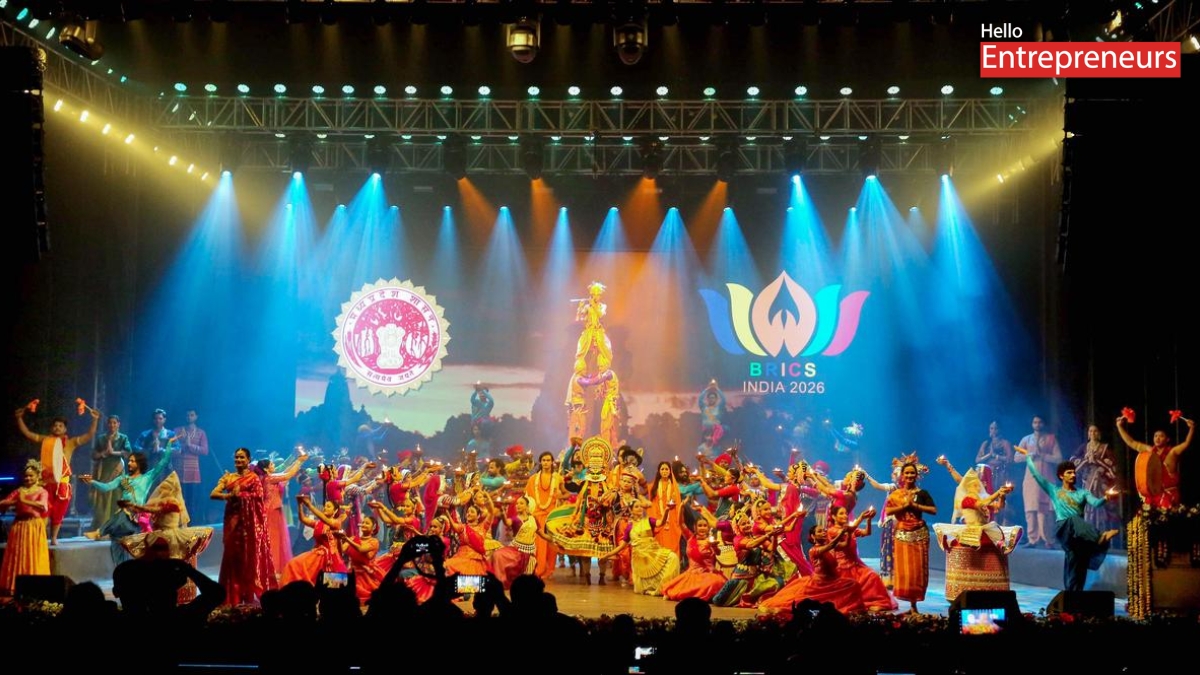
New Delhi: The 18th BRICS Summit will be held on 12-13th September, 2026 in New Delhi, especially at this juncture. It started in 2009 as a loose grouping of four big emerging economies but has expanded to eleven countries including Latin America, Eurasia, Africa, the Middle East and Southeast Asia. The expansion has led to influence, but also to disjointedness; and it is a once-in-a-lifetime opportunity for India to rally the grouping around a common goal.
Today’s BRICS is a very different beast from the one that India helped create. In 2011, South Africa joined the 16 nations, and promptly, since January 2024, in the UAE, Saudi Arabia, Iran, Ethiopia, and Egypt, and, in January 2025, in Indonesia, followed. The greater the membership, the more there is to debate internally, as various political systems co-exist with a regionally oriented and foreign policy competing bloc, and also the more the bloc’s economic weight is multiplied as its individual members strengthen their economies.
Analysts note that this disunity has allowed bigger members, especially China, to dominate the discussion and push the agenda forward in BRICS towards their own strategic interests and aspirations, rather than a collective one. New Delhi is alleged to have invested heavily in this year’s summit to mend the fences among the newer members and bring the bloc back on par.
This concept of “reformed multilateralism” was first introduced by Prime Minister Narendra Modi in his address to the leaders of the BRICS countries at their retreat in South Africa in 2018. India, Brazil and South Africa were able to get that language into the summit declaration in Brasilia a year later. Now that the grouping is meeting on Indian soil, it’s time to give new life to that founding vision and build BRICS as a meaningful forum on issues that are driving the agenda of the developing world on global governance, financial-institution reform and equitable growth not any one country’s agenda.
The stakes go beyond symbolism. As the bloc expanded, so did the potential for its strongest members to engage in “point scoring” on the rivalry they have with the United States, and “BRICSOating” the appeal of building coalitions within the bloc with the Global South, as commentators have put it. Hosting the summit could help reinvigorate a group which some had deemed to be directionless with focus on concrete cooperation, instead of great power posturing: trade, development finance, technology-sharing, and institutional reform.
It will be only after leaders sit down this weekend to determine if the meeting in Delhi will produce tangible results rather than merely put a gloss on some differences among the block. However, the opportunity is clearly on the cards for India to take, observers agree.

