



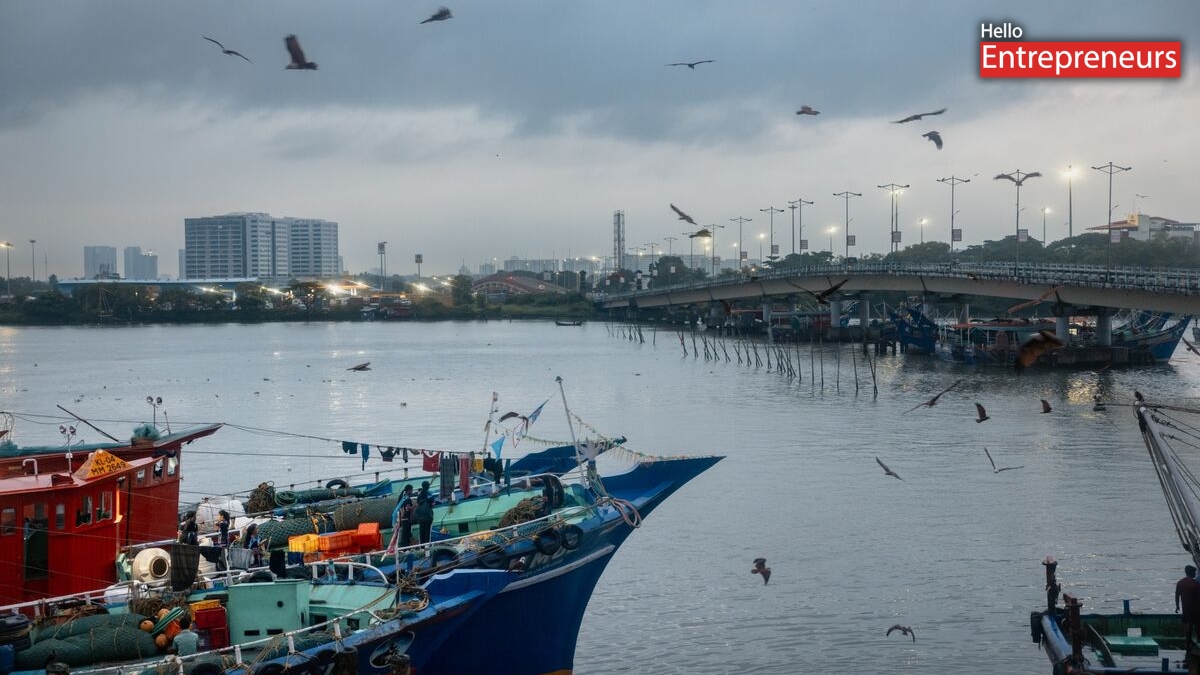
New Delhi: India is positioning itself on a new part of the sustainable finance space. Sagarmala Finance Corporation Limited (Sagarmala) has planned the first ever Blue bond in the country to be released on 28 September.
The state-owned maritime lender has scheduled a base issue of ₹600 crore, which has a greenshoe option of ₹500 crore and a 10-year tenor. This implies that it may be able to sell as much as ₹1,100 crore if the demand is high. SBI Capital Markets is the arranger and ICRA and CARE have assigned AA+ ratings to the bonds.
The funds collected will be allocated to funding for the maritime sector, greenfield port projects and sea road networks in the current fiscal year, respectively.
Similar to green bonds, blue bonds are those that are targeted at financing projects that benefit the marine environment. The money they generate goes towards ocean protection, marine ecosystems, maritime transport and coastal infrastructure and sustainable water management. Green bonds, on the other hand, encompass a broader extortion of environmental projects, including renewable energy.
There is a second issuer following in the footsteps of Sagarmala. Blue bonds don’t have to be only for marine projects, as Vadodara Municipal Corporation is looking for approvals for an issue of ₹200 crore. Water infrastructure and water treatment can also be eligible, for urban water infrastructure.
This has been a very rapid development of the global market. As of mid-2025, cumulative global issuance has totalled $15.25 billion, with Seychelles being the first sovereign issuer in 2018, and double previous year’s total, according to the World Bank’s statistics.
There are compelling reasons why India should be a member. The sector of the blue economy which includes fisheries, shipping, offshore energy and coastal tourism accounts for approximately 4% of GDP and supports almost 4 million livelihoods. The bonds are intended to attract worldwide sustainable investment and help alleviate the burden on government budgets, according to supporters.
There is also a regulation in place. SEBI has designated blue bonds as a sub-category of green debt securities and rules are to ensure that “blue-washing” does not occur and disclosure is transparent.
Analysts warn that a high rating is not ensured. While the AA+ rating can help increase the investor’s confidence in the bond, it will not eliminate risks at the level of the project. A number of market commentators said that credible data, clear standards and investor confidence will be key to success.
The Sagarmala proposal, if embraced successfully, may serve as a blueprint for financing initiatives in the ocean and water sectors for other ports, cities and state departments.

