



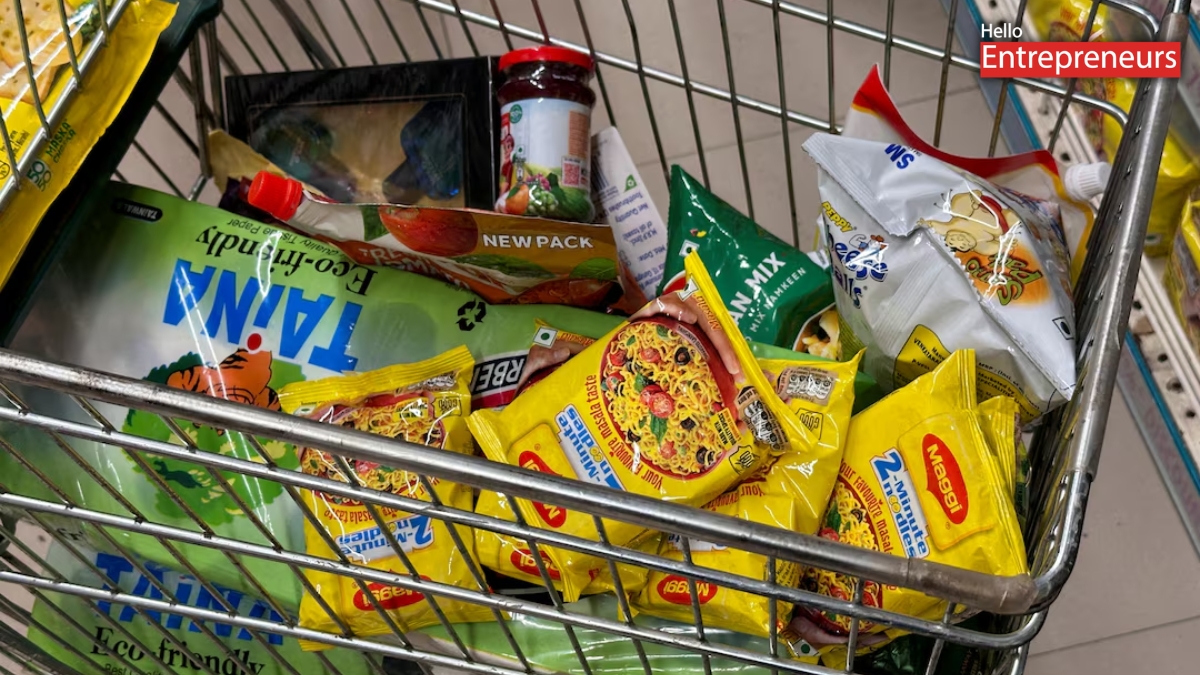
New Delhi: India is witnessing one of the largest food safety raids ever. The government is breaking into kiosks and stamping down restaurants, and advocating for fresh warning statements for processed food. This has shaken up the country’s huge food industry, which is worth more than $100 billion.
Why is this happening now?
Indian consumers have voiced complaints of unhygienic kitchens, street food, about fake or bad products for years. Food related complaints get passed around social media and in so doing getting the public fitter and louder about the situation.
Food inspectors have carried out more than 100,000 checks on food samples per year since 2020. Unbelievably, one in five of these samples was found to be unsafe, poor quality or missing labels. In the last three years, almost 8,000 food business licenses have been revoked. Nearly 1.5 trillion meals are consumed by almost 1.4 billion people every year this is a huge challenge, the food safety authority, called FSSAI, said.
Raids are going viral
Now photos and videos of the raids by FSSAI and the state authorities are online and are spreading like wildfire. During one raid officials arrested almost 1300kg of fake and bad paneer (cottage cheese) from Uttar Pradesh. Also under fire for misleading labels and advertising are big drink makers such as Diageo and Red Bull.
A new local hero
Tukaram Mundhe has emerged as an official who is known for his sudden visits in Maharashtra. He has had big pantry names such as Domino’s, Pizza Hut, McDonald’s and other luxurious restaurants and clubs in Mumbai on his target list. His biggest case to date was a PepsiCo, Nestlé, Coca-Cola and Unilever-export-expedient product labelling in a warehouse. Now, Canada is testing whether this impacts the goods imported from India.
The fight over warning labels
India has long been mulling the idea of placing the warning labels on fat, salt and sugar-laden packs, like Chile and Mexico have done for years. Big companies have rebelled against the concept, however, and the project has been repeatedly delayed. But it’s back on the boil now as doctors, health groups and even a case in the Supreme Court are calling for pressure. Consumers were further irked in August when a Reuters report showed they had been sold off the record in the first half this year after brand companies, such as Coca-Cola and Nestlé’s partners, persuaded government to remove the labels.
Now FSSAI has recommended that foods could be labeled with red, 6 sided stamps if they contain two or all three of these three nutrients sugar, salt or saturated fat.
Both sides are unhappy
Food companies say the rules are too strict and could put warning labels on almost every packaged snack. The owner of one company cracked a joke, saying that the world will be red. In the meantime, health and nutrition professionals are feeling the rules are too watered down as only two or more nutrients will trigger a warning, not one. Eminence they call it a loophole that allows companies to protect themselves more than people.
This issue will be reconsidered by India’s Supreme Court on September 10.