



On Wednesday, Congress accused more than 3,260 “fake” registered, unrecognised political parties (RUPPs) of siphoning off over Rs 10,000 crore in black money. They called it one of the biggest tax scams in India and demanded a Joint Parliamentary Committee (JPC) investigation.
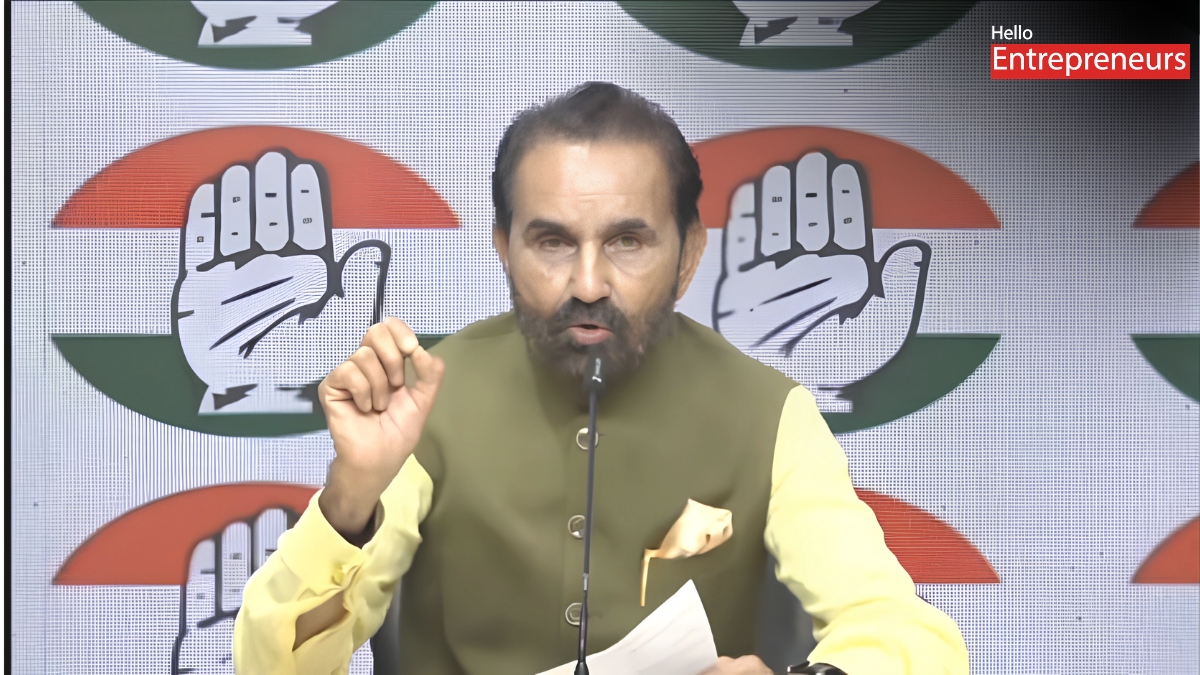
At a press conference in Delhi, senior Congress leader Shaktisinh Gohil explained how the whole thing worked. He said these parties take advantage of Sections 80GGC and 80GGB of the Income Tax Act, which let individuals and companies claim full tax deductions for donations to political parties.
Here’s how they say the alleged scam played out: Donors gave money to these RUPPs—parties registered with the Election Commission under Section 29A, but which never actually fought elections or gained formal recognition. People managing these parties kept a commission, anywhere from 2% to 15%, and handed most of the cash back to the donors. The result? Black money got laundered, and the donors got tax benefits they never deserved.
Gohil didn’t hold back. “More than Rs 10,000 crore in black money has been funneled through these fake political parties, while the government just watched tax revenue slip away,” he said. He pointed out that for individuals earning over Rs 5 crore, taxes shoot up above 42% with all the extra charges—so schemes like this look pretty tempting.
Congress ramped up the pressure, with party general secretary Jairam Ramesh posting on X and asking who was the mastermind, calling the 3,260 parties “sham political outfits.” He also wanted to know if they were operating under BJP protection. “The Modi government owes the country an answer,” he wrote, reminding everyone how Congress’s bank accounts were frozen ahead of the 2024 elections while no one seemed bothered by the RUPP scam.
Gohil demanded criminal cases under Income Tax Act sections 276C(1) and 277 against the ringleaders, fake donors, and any chartered accountants involved. He also wanted a 200% penalty and a cancelled license for guilty CAs. He said the whole issue blew up after an August 2025 report from the Association for Democratic Reforms (ADR), but the government just ignored it.
Comments about CAs sparked a battle on social media, with some defending the profession’s compliance work, while others agreed anyone cheating should face heavy punishment.
Gohil also took aim at the Election Commission. He questioned why it hadn’t enforced its own 2014 rules for transparent political funding and even wondered aloud if the body was “working hand in glove with the BJP.” He criticised recent changes to the Chief Election Commissioner selection process that took the Chief Justice out of the panel, saying it weakened transparency.
By Wednesday evening, the BJP still hadn’t responded officially.
So, what’s behind RUPPs and these tax breaks? These are parties that have registered with the Election Commission but never managed to win recognition as national or state-level parties. They’re allowed to accept donations and give out receipts. Critics say that while many of these parties stay politically inactive, they keep handing out donation certificates that let donors claim big tax deductions.
Right now, the law still allows full deductions under Sections 80GGC and 80GGB, as long as the paperwork is in order. Congress claims most of these so-called parties exist just to hand out donation receipts—not to actually contest elections or do any political work.
What’s next? The opposition’s push for a JPC probe will keep the heat on the government about its oversight of RUPPs, rules for disclosure, and any crackdown on tax abuse. With general elections still a year away, this adds more fuel to the debate over political funding, alternatives to electoral bonds, and how to keep party finances in check.
The next move belongs to the government. People are waiting to see how it deals with the specific numbers Congress has thrown out, which parties are involved, and what steps it’s actually going to take to fix the giant loophole that’s allowing this kind of tax evasion.

