



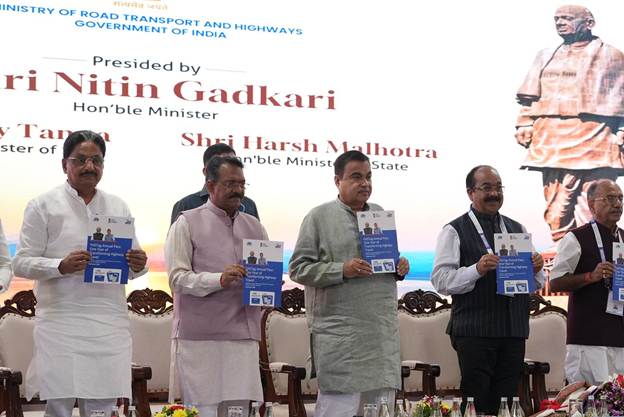
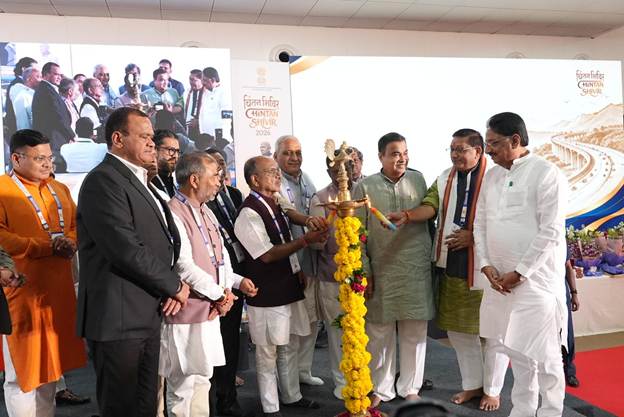
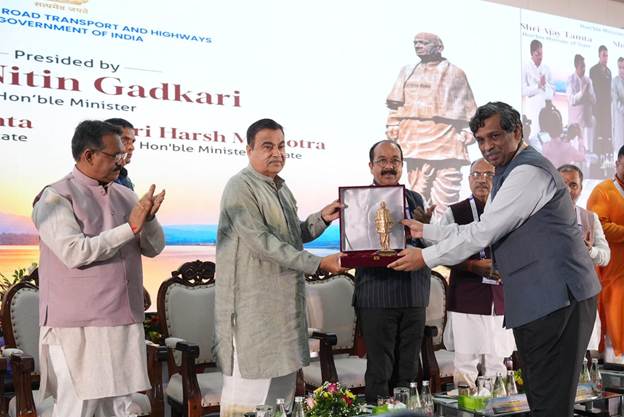
New Delhi, October 5: Union Minister for Road Transport and Highways Shri Nitin Gadkari today inaugurated “Chintan Shivir 2026 – A National Conclave on Highway Infrastructure” at Tent City 2, Statue of Unity, Ekta Nagar, Narmada District, Gujarat, setting the direction for two days of focused deliberations on strengthening India’s highway infrastructure. The Chintan Shivir, being held under the motto “Gatishakti se Pragati”, brings together Transport and PWD Ministers from States, senior officials of State PWDs, implementing agencies and other stakeholders to deliberate on key issues concerning highway development, project implementation and infrastructure delivery. Minister of State for Road Transport and Highways Shri Harsh Malhotra also addressed the inaugural session.
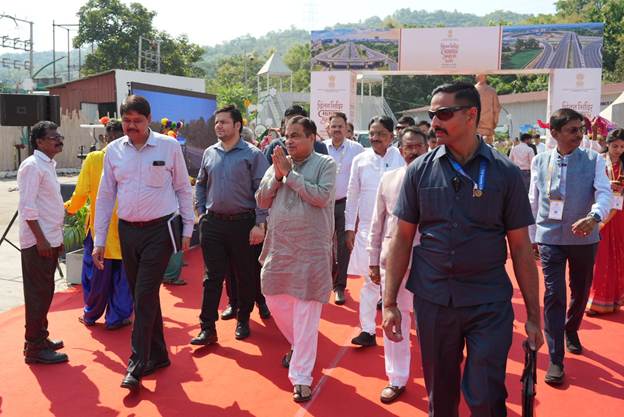
Addressing the inaugural session, Shri Gadkari said the Chintan Shivir provides an important platform for the Centre and States to think together, share field-level experiences and work together towards practical solutions for emerging challenges in highway development. He emphasised that successful practices adopted by different States should be shared, evaluated and replicated wherever appropriate to improve project implementation and infrastructure outcomes across the country.
The Minister stressed that highway development must remain focused on quality, safety, speed and world-class standards. He called for greater emphasis on advance planning and preparedness at the Detailed Project Report (DPR) stage, including proper surveys, alignment planning, land acquisition, utility shifting and timely statutory clearances. Better preparedness at the initial stage, he said, can help minimise delays, avoid cost escalation and improve the efficiency of highway projects.
Shri Gadkari highlighted that road safety must be integrated into highway planning and project design from the beginning. Identification of accident-prone locations and incorporation of appropriate safety interventions during the planning and construction stages can contribute towards safer highways and reduction in road accidents.
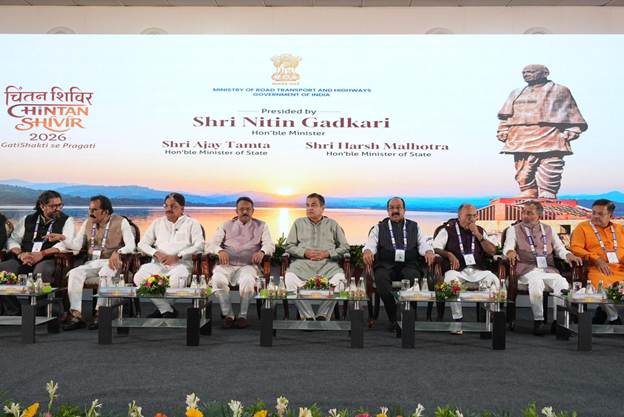
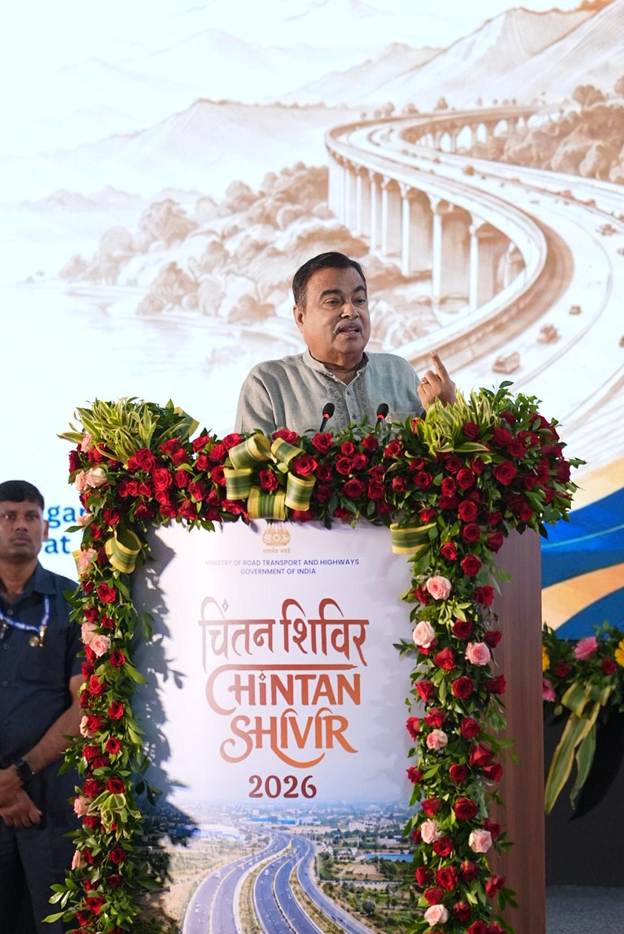
Underscoring the importance of highway infrastructure for national economic growth, the Minister said modern highways should provide seamless connectivity between cities, towns, ports, markets and industrial centres. Improved connectivity supports trade, investment, employment and overall economic activity. He called for coordinated efforts by the Centre, States and implementing agencies to ensure timely delivery of infrastructure in line with the country’s growing development and mobility requirements.
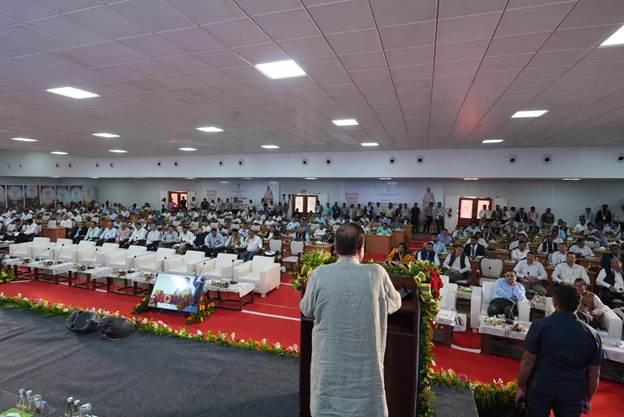
The two-day Chintan Shivir will feature key thematic sessions covering PM GatiShakti and integrated infrastructure planning; Land Acquisition and Bhoomi Rashi; Model Concession Agreements and Ratings; Designing Safe Highways and Green Highways; Road Safety and Toll Reform; and Quality Assurance and Project Monitoring. The sessions are aimed at addressing implementation challenges, sharing best practices and identifying practical and replicable solutions for more efficient highway development.
The Minister also called for wider adoption of new technologies, innovative construction practices and cost-effective materials to improve quality and reduce construction and maintenance costs. He encouraged States and implementing agencies to share innovations and field-level solutions and stressed the importance of research, technology and continuous improvement in highway construction and maintenance.
Sustainability and environmental responsibility form an important component of the Chintan Shivir’s agenda. Shri Gadkari emphasised the need to promote environment-friendly construction practices and greater use of innovative and recycled materials, while ensuring appropriate measures for environmental and wildlife protection. In this context, a document on Environment & Wildlife Mitigation Measures was launched during the inaugural session.
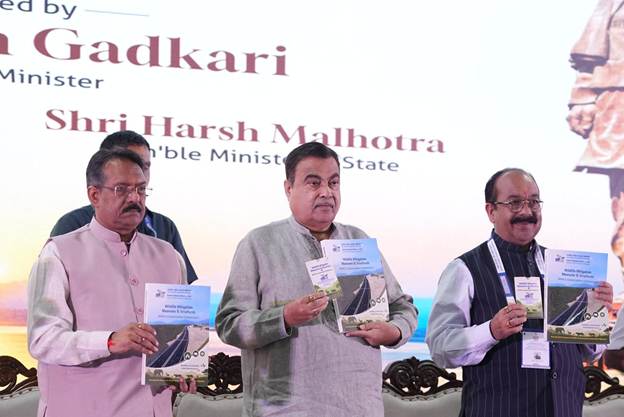
A BRICS Compendium on Perspectives in Sustainable Transport was also launched during the session, bringing together perspectives on sustainable approaches in the transport sector and adding an international dimension to the deliberations on future-ready infrastructure.
Shri Gadkari also highlighted technology-driven reforms aimed at improving the efficiency and convenience of highway travel, including FASTag Annual Pass and Multi-Lane Free Flow (MLFF). These initiatives reflect the Ministry’s continued focus on modernising tolling systems, improving traffic movement and enhancing the overall highway user experience.
The inaugural session set the broader direction for the deliberations ahead, with the Chintan Shivir providing a platform for Centre-State dialogue, exchange of experiences and best practices, and identification of innovative and replicable solutions. The discussions over the two days will seek to strengthen project planning and monitoring, improve highway quality and safety, promote sustainable infrastructure and accelerate the delivery of future-ready highway infrastructure.
Shri Gadkari called upon all stakeholders to work collectively towards safer, high-quality and future-ready highway infrastructure, contributing to faster economic growth and stronger connectivity in line with the vision of Viksit Bharat.

