



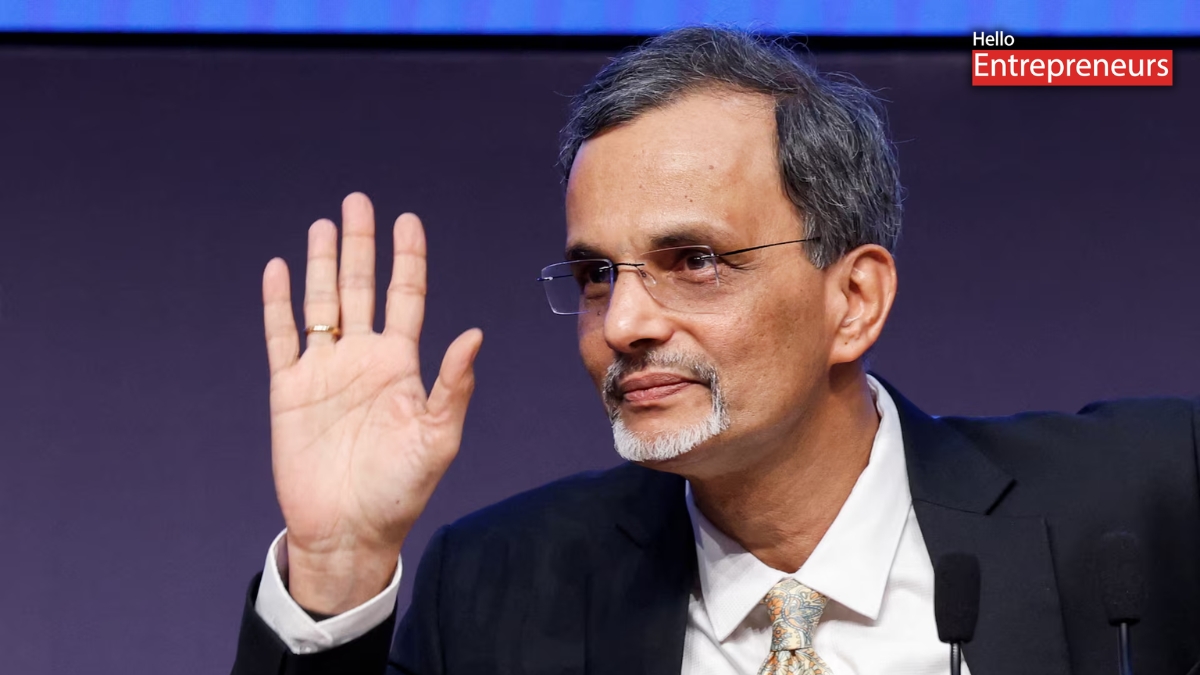
New Delhi: The official demand to roll back E10 or to switch the older vehicles to E20 fuel has come under fire and V Anantha Nageswaran, the Chief Economic Adviser of India, has recommended re-introducing E10 petrol for the older vehicles, particularly the two-wheelers. The proposal is being made as the rising use of ethanol-blended fuel brings questions about how it affects older cars to the forefront of the auto industry and vehicle owners.
The new petrol grade is E20 (20% ethanol) which is now the common grade of petrol available throughout India. The government has encouraged ethanol blending to cut energy imports and protect energy security and boost farmers’ income. The older cars were, however, mostly built to use up to 10% ethanol (E10) in their petrol.
E10 could be reintroduced into use again for older cars, Akash Poojari, a consultant of Economic Affairs, has said.E10 can be re-introduced to older cars, according to Akash Poojari, a consultant with the Economic Affairs department. The proposal would help ease fears of those whose cars are not made to run on ethanol higher than 85%. India has approximately 75-80 million two-wheelers that are manufactured for E10 fuel usage, the C.E.A has said, making the question relevant for a significant amount of vehicle owners.
The aspects that are of major concern are those of the fuel-system components and the design of the older engines. Some of the parts such as rubber seals, and many older two-wheelers may not be compatible with higher ethanol levels. In addition, ethanol can also have an impact on fuel efficiency, becoming another concern for consumers.
Previous attempts by the auto industry have been made to pressure the government into retaining E10 for older vehicles. In a 2021 NITI Aayog roadmap, the Society of Indian Automobile Manufacturers (SIAM) had backed the supply of both E10 and E20 at a stretch as gasoline and E20 moves towards high ethanol blends.
But the government has been staunchly in favour of the use of E20 petrol. It claims the fuel has been thoroughly tested and consulted with automotive manufacturers, component suppliers and technical agencies. The government has also announced that it has no current plans to change back to E10 fuel.
The discussion is now not just about the performance of the vehicles but also about the energy policy of India. Nageswaran has also called upon the policymakers to evaluate the consequences of the lifting of ethanol blending beyond 20% of petrol and diesel on food, animal feed, and land and water resources.
Currently, the E10 proposal is not confirmed to be a policy change, but it is a recommendation. However, it has reignited the worries over a million of the country’s existing vehicle owners, and the desire to strike a balance between the pollution-free objective of India and consumer demand.

