









New Delhi: The capital’s air isn’t just filthy. It’s infectious. A government-backed study has revealed that the capital’s notorious smog isn’t only about soot, stubble smoke, and exhaust. It’s also packed with airborne bacteria hitching free rides on PM2.5 particles, which double in number in the city’s crowded areas.
Every winter, Delhi makes global headlines for being one of the most polluted capitals in the world. But this new finding pushes the crisis into an even darker lane: the air itself is now a delivery service for disease.
Crowded Streets, Double The Danger
Scientists from Kolkata’s Bose Institute studied Delhi’s air across seasons. Their conclusion? Pathogens are almost twice as abundant in densely packed neighbourhoods compared to less populated spaces.
That means Old Delhi’s Chandni Chowk, with its traffic jams and human crush, is breathing a completely different microbial cocktail than Lutyens’ Delhi with its tree-lined avenues: crowds plus pollution equal pathogens. Delhi’s 33 million residents are inhaling this soup daily, and the Indo-Gangetic Plain is turning into one giant open-air laboratory.
PM2.5: Delhi’s Bacteria Chauffeur
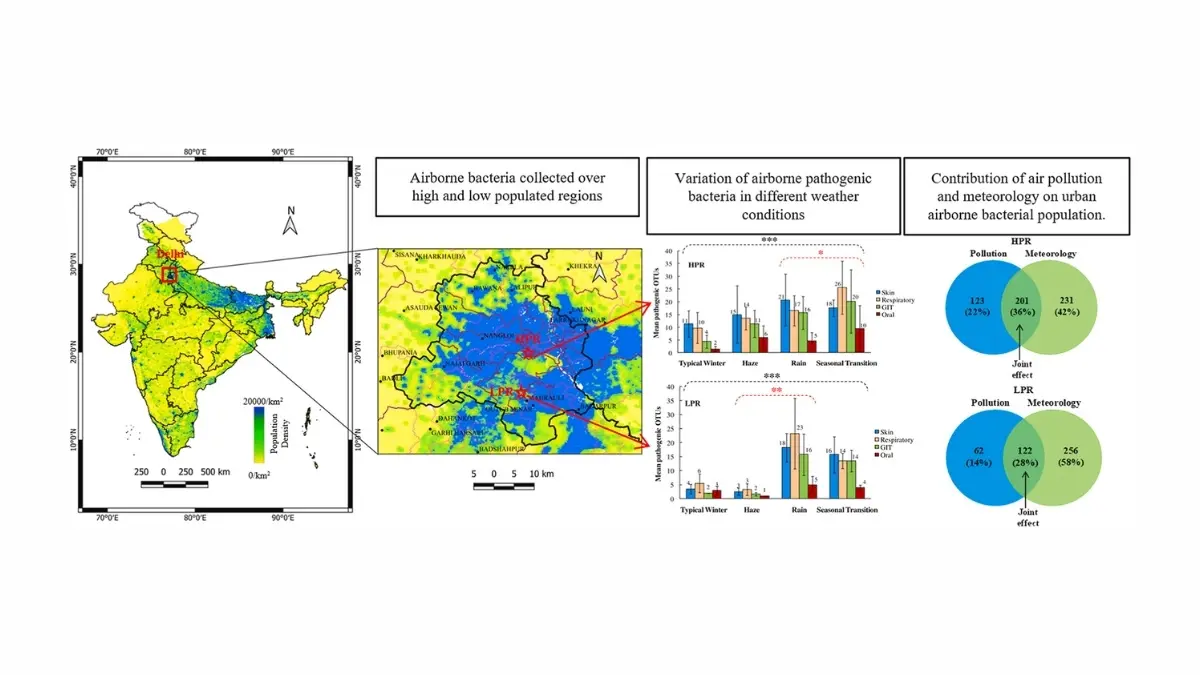
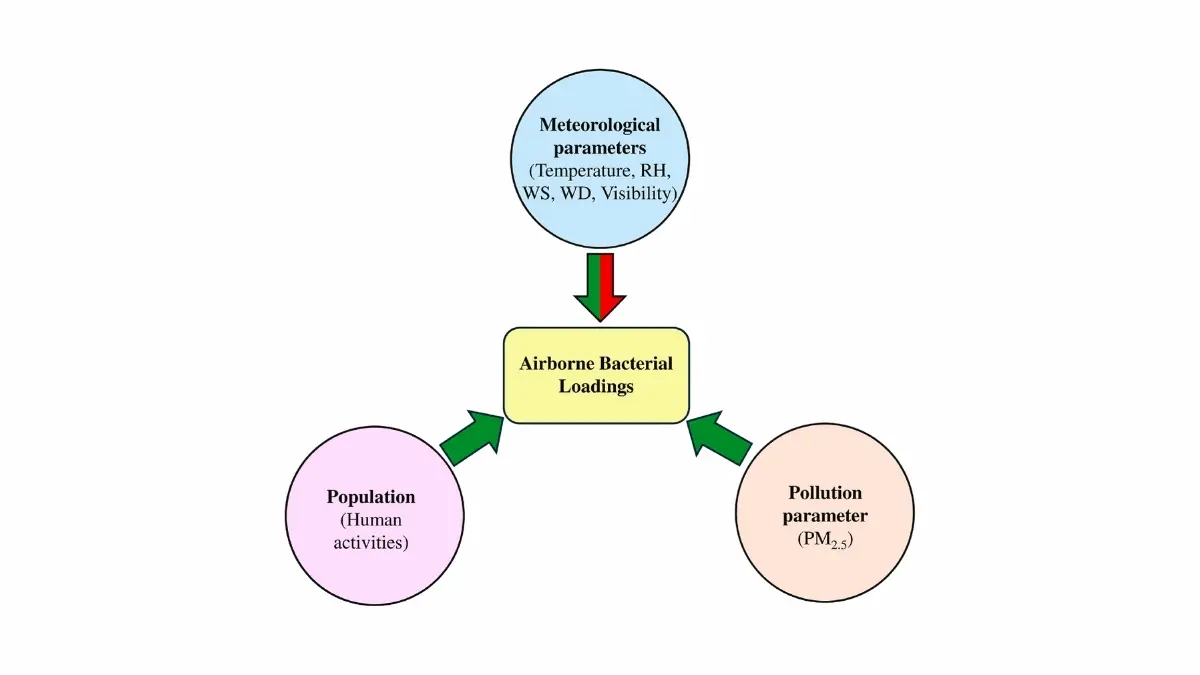
We already loathe PM2.5, those tiny dust particles that cause cancer, strokes, and heart disease. Now scientists say they are also chauffeurs for germs. Pathogens cling to these microscopic particles, float deep into the respiratory tract, and from there spread to the gut, skin, and bloodstream.
The villains identified in the study include:
- Acinetobacter, a well-known culprit in pneumonia and antibiotic-resistant infections.
- Corynebacterium, tied to throat infections and skin diseases.
- Other gut and oral pathogens waiting to exploit weak immune systems.
Delhi’s air is no longer just “dirty.” It is weaponised air, delivering bacteria straight to where they can cause maximum damage.
Delhi’s Weather: Microbes’ Best Friend
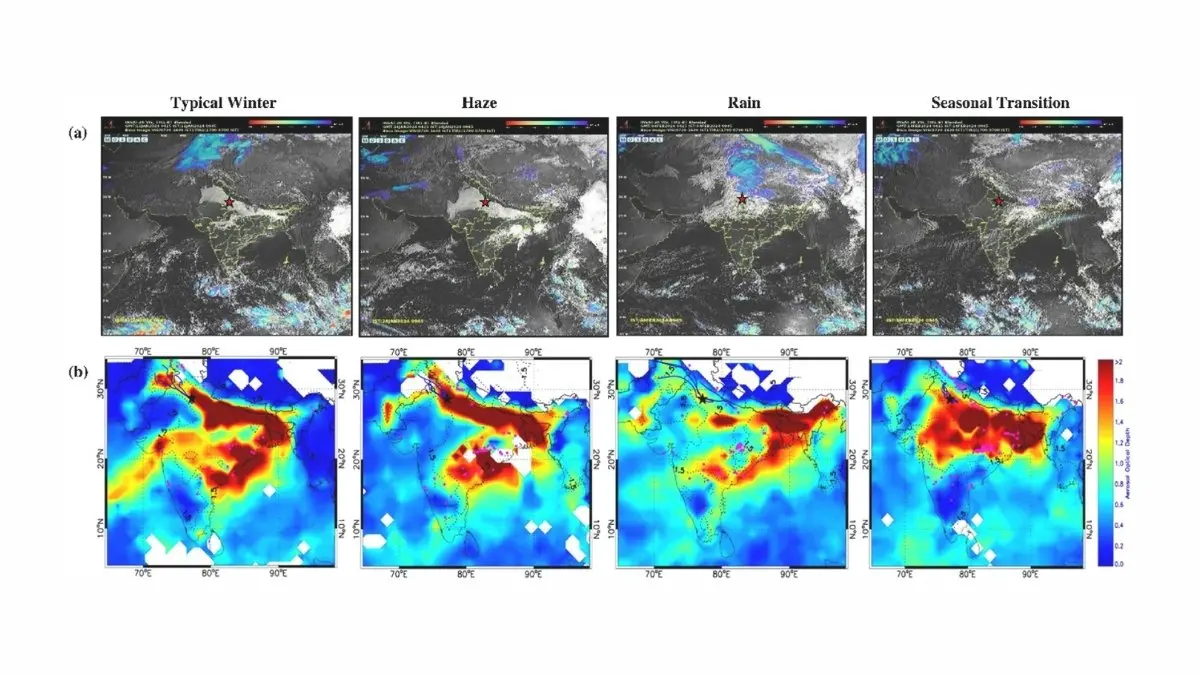
If pollution is the fuel, Delhi’s weather is the matchstick. Winters here trap pollutants under a lid of cold, stagnant air. High humidity acts like glue, keeping bacteria-laden particles suspended for hours. Post-rain, waterlogged drains and soil stir up faecal microbes into the air.
The study found bacterial diversity peaking in hazy winter days and after rainfall, when microbes hang around in the sticky atmosphere. That Instagram-worthy fog blanketing India Gate? It’s actually a bacterial party.
Microbial Hotspots Across The Calendar
- Winter haze: Delhi records the highest variety of airborne bacteria, with respiratory pathogens dominating.
- Seasonal transitions into summer: Wind changes and temperature swings boost microbial spread.
- Rainy periods: Soil and sewage bacteria mix into the air, adding faecal contamination to the cocktail.
Every season offers microbes new conditions to thrive. Delhi residents don’t get a “safe” season; they get a rotating menu of pathogens.
Invisible Killers, Real Infections
Respiratory bugs made up nearly a third of all airborne bacteria in the samples. Add gut and skin pathogens, and you’re looking at a direct link to the surge in hospital cases across Delhi. These microbes are not exotic, foreign threats. They are everyday disease agents weaponized by pollution.
Doctors already report Delhi patients with recurring respiratory issues, skin allergies, and gut infections. This study provides the missing link: many of these illnesses may literally be coming from the air people breathe every day.
The Indo-Gangetic Plain: One Giant Biohazard
The crisis isn’t confined to Delhi. The Indo-Gangetic Plain, which extends from Punjab to West Bengal, is one of the most densely populated and polluted regions on Earth.
The same is true for cities like Patna, Kanpur, and Lucknow. When monsoon rains and winter inversions occur together, microbes flourish.
India currently leads the globe in the number of fatalities from air pollution.
Imagine now if the same pollution acts as a vector for germs as well. Infection and suffocation have two negative effects on health.
Half-Measures Won’t Save Us
India’s official responses have been subpar. Smog towers installed at great cost cover barely a few kilometres. The “odd-even” car scheme plays out like a seasonal gimmick. Firecracker bans appear in press releases but disappear in Diwali markets.
Microbes don’t wait for policy pilots. They don’t respect borders or election cycles. They thrive while authorities bicker over jurisdiction. Unless public health planning and pollution control merge into one aggressive strategy, India’s cities will remain microbial theme parks where every breath is a gamble.
Why You Should Care
- Every Delhiite is exposed daily. Whether you’re jogging in Lodhi Garden, bargaining in Sarojini Nagar, or waiting at Rajiv Chowk Metro, you’re breathing bacteria-laced air.
- High-risk windows are predictable. Winter haze and post-rain spells are the most dangerous, with bacterial counts spiking.
- These are not harmless microbes. They are tied to pneumonia, skin infections, throat problems, gut disorders, and oral diseases.
It is not abstract science. It is the sore throat your child has every winter, the pneumonia case that recurs in your neighbourhood, the unexplained gut infection after the monsoon. Delhi’s air has become a pipeline for infections.
The Bottom Line
The study, published in Atmospheric Environment: X, makes it clear: ignoring microbes in air quality discussions is a suicidal approach. Delhi is living proof that polluted skies don’t just choke, they kill.
Unless India wakes up to the microbial threat riding on its already lethal air, we’re staring at a future where breathing becomes a full-time health hazard.