



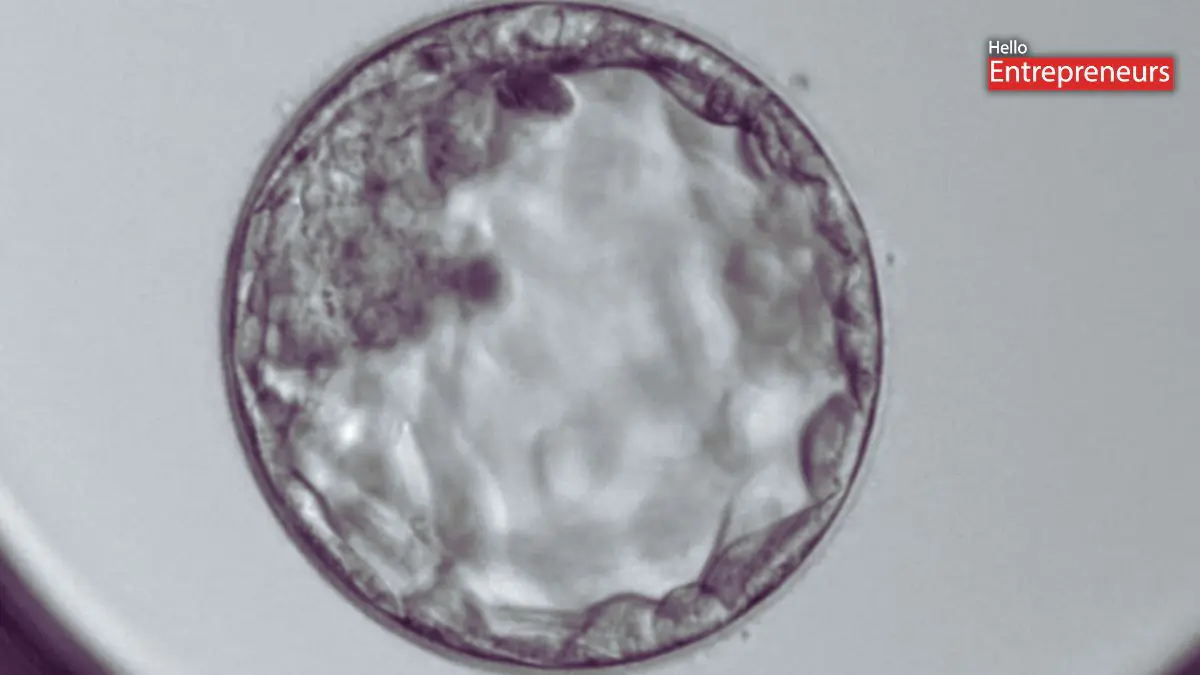
Ahmedabad: A London-based couple on board the fatal June 12 Air India flight were looking forward to becoming parents after seven years of failed IVF cycles and a miscarriage. They had made multiple trips to India for their IVF treatments, and their hope had been dashed before they could achieve it.
The couple tried once more in April this year, with the doctors successfully freezing the embryo after a corrective surgery. The couple was due to get the embryo transferred to the expectant mother’s womb in July, and the whole family was ecstatic about this plan. In anticipation of the good news, the couple’s ancestral home was refurbished, hoping to spread happiness with the new bundle of joy. Now, with both parents gone, their families, the IVF doctors and legal experts have to decide the fate of the growing embryo, which is currently placed in a freezer, and is still developing.
This rare case has brought a new dilemma, with the fate of the unborn child in question. “The embryo is alive in preservation, but its biological parents no longer exist. It’s heartbreaking beyond words,” an IVF specialist said.
According to the Indian Assisted Reproductive Technology (ART) regulations, an embryo can be stored for 10 years or 20 years with special permission. Yet Indian law doesn’t allow posthumous surrogacy, and ‘orphaned’ embryos don’t have any legal pathways under the current laws.
As the couple were British citizens, there could be legal possibilities available there if the couple’s family chooses.

