



New Delhi: Now that the war in Iran has been going on for three months without any hope of a ceasefire, India is facing a reality that it has already encountered in numerous wars: prolonged geopolitical conflict is a bad deal for energy-importing countries.
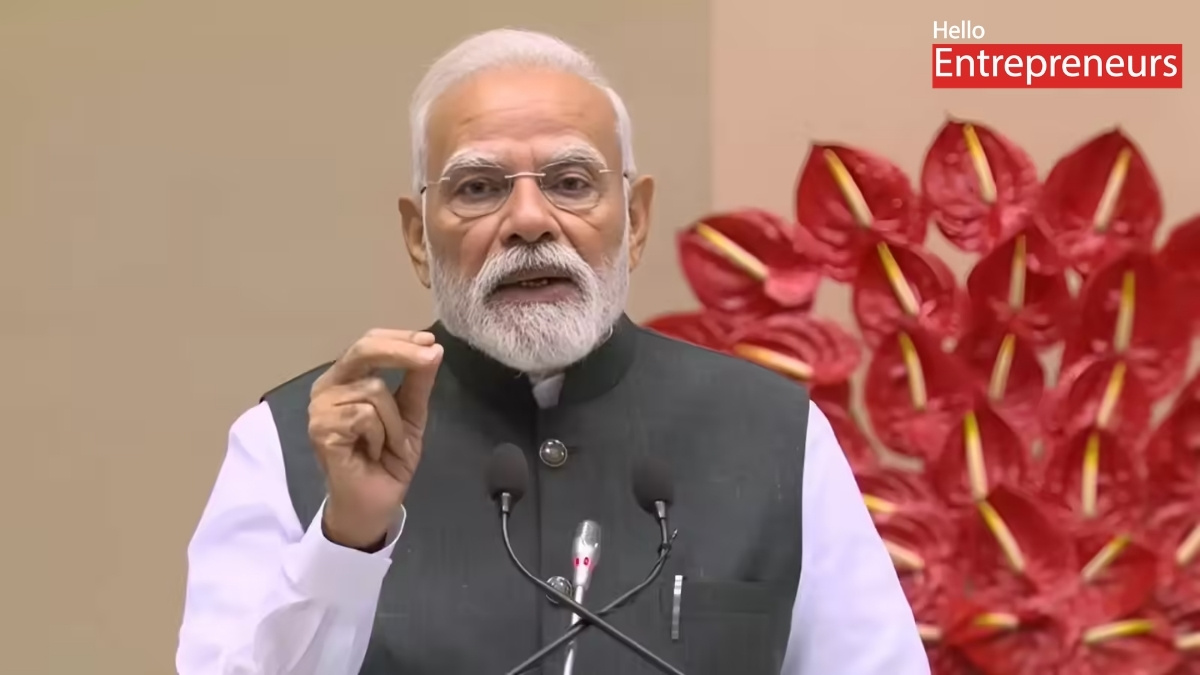
The recent call by Prime Minister Narendra Modi to citizens to use less fuel, abstain from unnecessary foreign travel, and postpone buying gold was indicative of growing concern in the government over escalating economic pressure associated with the conflict in West Asia.
This message was delivered at a public event in Hyderabad and sounded like the days of Covid-19 when the public was invited to participate and be patient in the name of the National Economy. What this time, though, is about is safeguarding India’s foreign exchange reserves and checking the rising import bill.
India has an import dependence of almost 90 percent for crude oil and about 50 percent for natural gas. Oil prices have been high for weeks, as the Strait of Hormuz remains in turmoil due to the conflict. This influence is felt in all sectors.
Airfares have changed, reflecting the higher fuel prices. After years of government pricing controls, petrol and diesel prices have begun to rise. The government has also increased the import tax on gold and silver more than on non-essential items to ease the pressure on the dollar reserves and discourage imports.
The one thing that is striking is how direct the government’s message is, unlike in other nations. Modi’s appeal to citizens to “tighten their belts” marks a growing concern of the policymakers on how much longer India can take the financial hit in the event of an extended conflict.
Senior banker Uday Kotak has alerted business leaders that consumers have not yet felt the effect of the energy price hike. The larger transmission effect is yet to come, he said.
The balance-of-payments crisis of 1991 has not recurred in India, as the nation has foreign exchange reserves of about $690 billion and is not at risk of defaulting. But economists say that the pressure grinding under keeps going.
Demand for dollars is rising as oil, gas, fertilizer, and precious metal imports continue to grow, foreign investment inflows decline, and exports moderate. India’s forex reserves have already tumbled since the escalation of the conflict in Iran.
The rupee has also depreciated significantly this year, increasing the cost of imports and further contributing to inflation. Historically, policymakers have been wary of sharp currency depreciations, in part due to the political associations attached to a rupee exchange rate drop.
The government is now in a tricky situation, as it is essentially trying to strike a balance in many ways. For months, authorities have protected consumers from the full effects of the increased crude prices, in part because of state elections. Economists dispute ever-stronger protection, particularly as state-owned oil companies face financial difficulties.
This is why the emphasis is now on converting to public appeals for conservation. The government, by encouraging citizens to use less fuel and lessen discretionary imports, seems to be attempting to dampen demand, but without more stringent economic limits.
But economists are not united in their view of the effectiveness of such appeals.
Inevitably, a global supply shock means some of the pain must fall on consumers. Increased fuel prices, naturally, decrease demand, and high import prices increase the incentive to save and switch to other fuels. Price suppression can only go so far, however, and, in doing so, can do more harm than good by exacerbating fiscal stress and delaying adjustment.
Meanwhile, many economists are convinced that some targeted assistance for lower-income families is still needed. Poor families are hit the hardest by rising LPG and cooking fuel costs, particularly as inflation pressures once again start to increase.
Economist Rajeswari Sengupta has demurred from broad price controls, which benefit everyone equally, saying that targeted subsidies for vulnerable groups could be more sustainable.
There are also general considerations of investor sentiment. Foreign investors have been withdrawing billions of dollars from India’s stock market in recent months amid global uncertainty and concerns about India’s ability to compete in new areas such as AI, semiconductors, and renewable energy.
The fundamentals of the Indian economy are holding up fairly well. Growth is accelerating across many large economies, domestic demand remains robust, and the banking sector is stronger than a decade ago.
The Iran war, however, has revealed how energy-intensive economies are sensitive to political turmoil. For India, the problem at hand now is not just to cope with the rising oil price. It is balancing inflation, currency pressure, fiscal discipline and political expectations at the same time.
The government’s request for restraint may help lessen the pressure in the short term. Whether that will compensate for the bigger blow to the world energy markets remains to be seen.

