



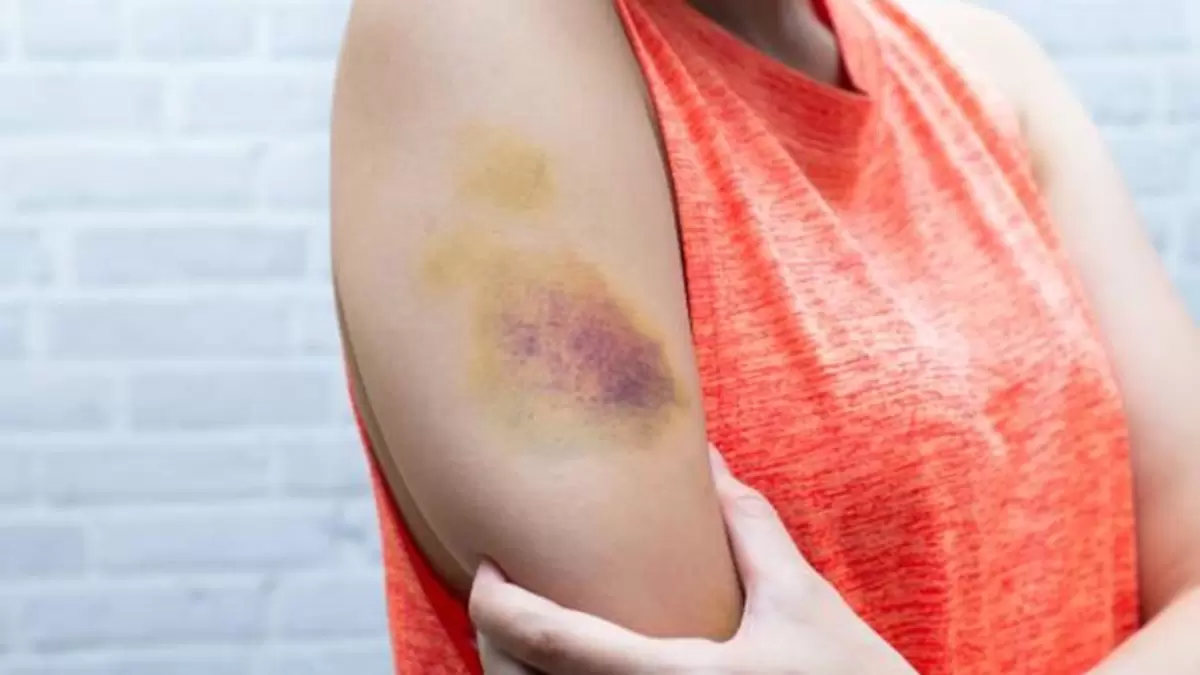
New Delhi: Our body has the ability to defend and heal itself. Yet, sometimes, an injury or trauma can result in a condition known as a hematoma. Although not usually dangerous, a hematoma may be painful and, if severe, may need medical care. It is important to properly understand its signs, causes, and management so that healing can come as soon as possible without any trauma-related problems.
What is a Hematoma?
A hematoma is a collection of blood outside of the blood vessels, usually resulting from trauma that tears the wall of a blood vessel, causing blood to leak into the surrounding tissues. It can happen in skin, inside muscles, next to internal organs, and even the brain.
A bigger pool of blood may cause a painful, swollen lump, and this is a hematoma, not a bruise, which is a more superficial bleeding underneath the skin. Depending on the severity and placement, treatment differs, but for numerous moderate cases, topical solutions like thrombophob ointment are utilised to speed recovery and to relieve discomfort. This ointment improves blood circulation in the region to break down the trapped blood and minimise inflammation.
Common Causes of Hematoma
There are several causes of hematomas, including:
- Trauma or injury: a fall, bump, or blunt force could break blood vessels, especially in the arms, legs or head.
- Surgical or procedural procedures: Hematoma formation is relatively prevalent in postoperative individuals, particularly following operations that affect the abdomen or joints.
- Anticoagulant medications: Patients who take blood thinners such as warfarin or aspirin have an increased risk of bleeding or forming a hematoma.
- Medical conditions: Disorders that affect blood clotting, including hemophilia and thrombocytopenia, raise your risk.
- Child delivery: Women can suffer from perineal hematomas after vaginal delivery.
- Aneurysms or ruptured vessels: In severe cases, internal bleeding from a burst blood vessel may lead to deep hematomas.
Recognising the Symptoms
The specific signs and symptoms of a hematoma depend on the location and size of the hematoma. But typical symptoms are:
- Puffiness: A visible lump or bump that forms following an injury.
- Discolouration: The skin overlying the hematoma may initially become reddish-blue to purple to blue and then yellow or green.
- Pain or tenderness: Especially with pressure on or near the area.
- Warmth: Due to the inflamed area, it may be hotter than the surrounding skin.
- Decreased mobility: If the hematoma is in or around a joint or muscle, you may have limited movement.
- Pulsating or driving: You especially if there is pressure exerted on surrounding nerves.
In other cases, primarily with internal hematomas, symptoms can be less obvious, such as dizziness, confusion, or nausea—symptoms that need immediate medical assessment.
Types of Hematomas
The types of hematomas include —
1. Subcutaneous Hematoma
Happens just below the skin — usually after a tiny injury. They are usually apparent and will heal naturally.
2. Intramuscular Hematoma
Peacefully developed in the muscle, generally following severe injury. It can lead to stiffness and soreness for a longer duration.
3. Subarachnoid or Extradural Hematoma
These are life-threatening conditions with blood between the brain and skull, usually as a result of head trauma. They’re about due for some medical attention.
4. Perineal and perianal hematomas
Typically, due to strain, childbirth, or haemorrhoids, it results in swelling and extreme discomfort in sensitive areas.
5. Auricular Hematoma
Common in athletes (especially in wrestlers) because of the bleeding between the skin and cartilage due to trauma of the ear.
The type of hematoma may be the most significant part of determining how to proceed and how recovery will go.
How to Care for a Hematoma on Your Own
For minor and moderate hematomas, home care is generally adequate. As to how you can aid in the healing process:
- Rest and Protection
Do not do activities which can aggravate the injury. Resting the area allows the body to absorb the mass of blood clots faster.
- Cold Compresses
Use an ice pack wrapped in a cloth for 10–15 minutes every few hours in the first 24–48 hours to help minimise swelling and inflammation.
- Compression and Elevation
Light elastic bandage should be wrapped around the area and the limb should be raised above the heart if possible. This encourages drainage of blood and decreases swelling.
- Topical Treatments
Thrombophob ointment and other medicines dissolve the blood in the organs and make it easier to remove the clotted blood. Apply it gently without any pressure onto the inflamed part.
When to Seek Medical Help
Although most hematomas recover with conservative treatment, certain circumstances require urgent intervention:
- The hematoma continues to enlarge or is very painful
- Which brings numbness or tingling, or you have a loss of function
- A fever, redness, or pus indicates an infection
- Confusion and vomiting
- Trouble breathing or chest pain (which could indicate an internal bleed)
Those symptoms represent complications or other issues and will require assessment with a healthcare provider as soon as possible.
Preventing Recurrence of Hematoma
Though you may not be able to avoid accidents all of the time, you can take a few precautionary measures to lower your risk of becoming a victim:
- Use a helmet for sports or any other dangerous physical activity
- Cautious when using blood thinners
- Exercise and stay hydrated: Proper circulation
- If chronic illnesses such as high blood pressure or diabetes, keep it under control
- If you’re prone to bruising, then stay away from rough physical play or lifting heavy
- Keeping such injuries in check is further possible through awareness and preventive care.
Final Thoughts
Hematomas are not usually dangerous, but should never be dismissed. Prompt identification and management of the condition can greatly reduce discomfort and break the cycle of chronicity. Topical agents such as thrombophob ointment, rest, and compresses may help with mild to moderate hematomas.
If you are treating a hematoma and want easy access to treatments, a number of reliable medicines such as thrombotas ointment have come up with access through an online medical stores. From gaining access to medical supplies and professional advice for your recovery, it has made managing your recovery simpler.
Disclaimer: This article is for general information purposes only and should not be construed as professional medical advice. Always consult your doctor before taking any step.

