



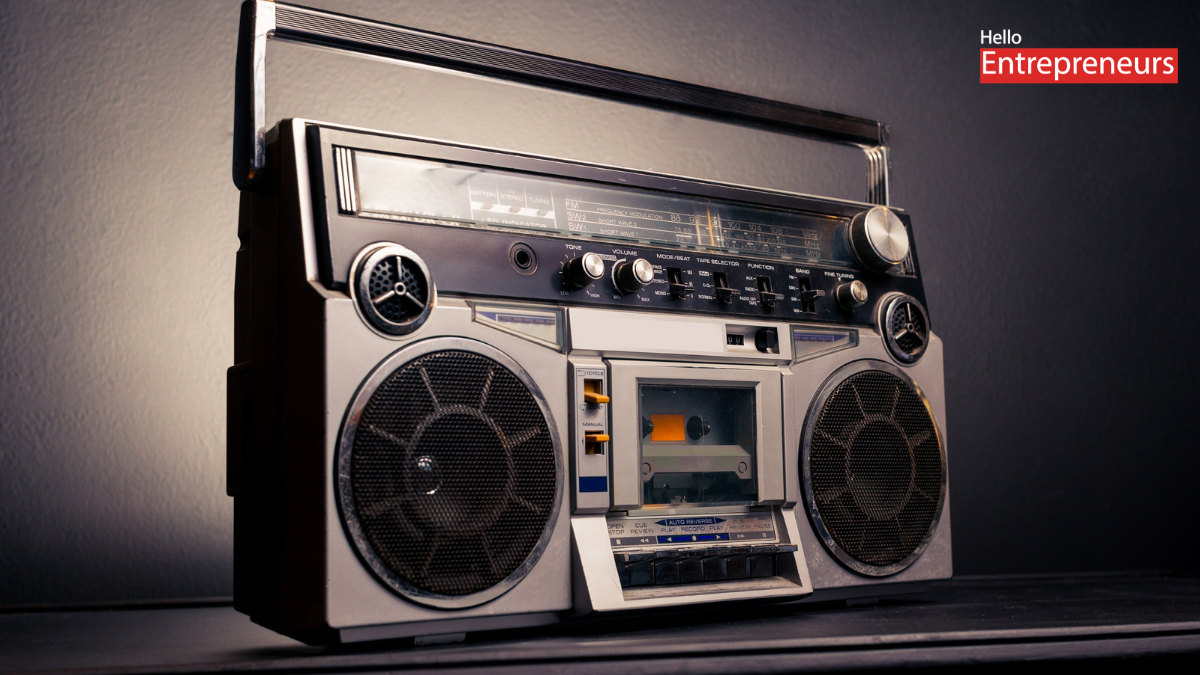
Radios May Look Obsolete In 2026, But Emergency Experts’ Case For One Is Hard To Ignore
Radios might seem ancient, especially when everyone’s glued to their phones or streaming nonstop. Honestly, buying a standalone radio in 2026 feels kind of pointless—until a disaster knocks out power and cell towers. That’s when a basic battery-powered AM/FM or weather radio suddenly makes a lot of sense. Emergency experts keep saying it’s one of the few ways people can still get official warnings when everything else fails, and it’s hard to argue with them.
People are talking about this again because disaster communication keeps making headlines. Radio signals reach way farther than cell signals—so when the nearest tower goes down, you can still pick up AM, FM, or weather broadcasts from miles away. BGR pointed out, you can’t rely on car dashboards or phone apps during a hurricane or flood. Sure, most folks get their music and news from Bluetooth, podcasts, or streaming these days. And honestly, lots of radio companies have cut back on new programming because fewer people are tuning in. But all that changes in an emergency.
If the power’s out, roads are shut, and your phone can’t connect, a radio keeps working. It just needs batteries, or a crank, or some sunshine for the solar panel, plus a signal from a nearby transmitter.
Take Hurricane Helene in 2024—it ripped through North Carolina, and radio saved lives. In the mountains, phones and Internet were useless. Local radio stations became vital links, and residents called in with requests for help when no other channel worked. Radios don’t replace emergency services, but they do get you important info: weather warnings, evacuation routes, road conditions, and updates when digital stuff fails or lags.
NOAA Weather Radio is a good example: the National Oceanic and Atmospheric Administration runs more than a thousand local stations in the U.S. These broadcast on special frequencies outside normal FM, and you can find them on NOAA’s site. Lots of weather radios use SAME—Specific Area Message Encoding. That means you can set alarms for your own county or area, so you don’t get hit with pointless alerts all night, but you do wake up if something serious happens nearby.
Some of these radios come with extras like hand cranks, solar panels, rechargeable batteries, or even phone chargers. Big retailers—Amazon, Walmart, Best Buy, Ace Hardware, Home Depot—sell them, and brands like C. Crane, Jensen, Midland focus on weather radios.
“Why not just use your phone?” People ask that all the time. Phones do get Wireless Emergency Alerts for storms and national crises. But as BGR reported, these alerts can come late, or not at all, even if your phone’s online and settings are right. Internet radio streams aren’t quite the same as actual radio. Apps like TuneIn carry NOAA stations, but that signal goes through servers and ads, adding seconds—or minutes—of delay, which matters during fast-moving disasters.
Want a radio for emergencies? Look for AM/FM reception, plus NOAA Weather Radio access. Battery power is a must—ideally with crank or solar charging. SAME support helps for smart alerts. Remember to keep spare batteries, or make sure the rechargeable battery stays topped up. And don’t just leave the radio buried in a drawer; test it now and then so it works when you need it.
Let’s be honest—a radio isn’t going to replace Spotify or your phone’s news app in 2026. But as a cheap, solid backup for disasters, it’s tough to beat. It delivers real-time info when everything else stops. If you live somewhere prone to floods, storms, or just far from town, the question isn’t whether radios are stylish. It’s whether one goes in your emergency kit right next to the flashlight, first-aid gear, and water. After looking at all the evidence, for a lot of people, the answer’s pretty clear: keep one around.

