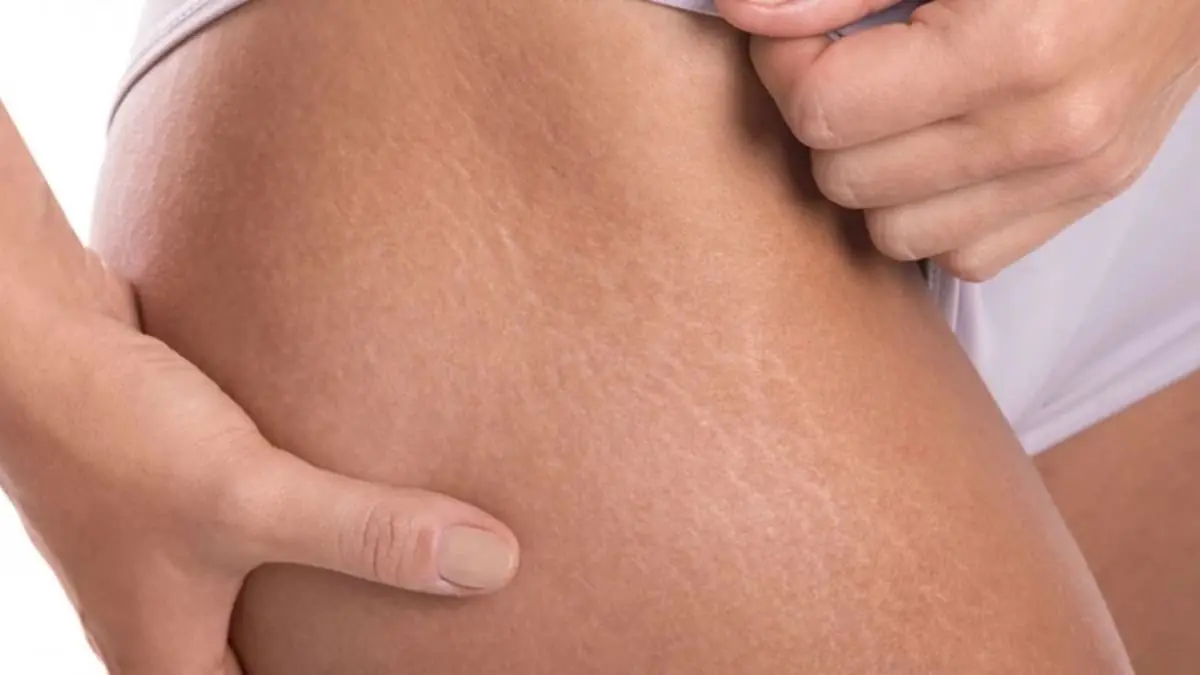








New Delhi: Stretch marks often appear quietly, sometimes during moments of change we barely notice at first. Over time, they become more visible, which can raise questions about how best to care for the skin. Many people turn to topical solutions, hoping to support their skin in a gentle, everyday way.
An ointment for stretch marks is often one of the first options considered, but understanding how it fits into a skincare routine is just as important as using it. From why stretch marks form to what to know before starting treatment, this guide covers the essentials. It also explains how small, regular steps can support healthier-looking skin over time.
What Causes Stretch Marks
Stretch marks form when the skin stretches faster than its deeper layers can comfortably adapt. This rapid stretching leads to tiny tears beneath the surface, which later appear as lines or streaks on the skin.
Common reasons stretch marks develop include:
- Pregnancy and post-pregnancy body changes
- Sudden weight gain or weight loss
- Puberty-related growth spurts
- Muscle growth from strength training
- Hormonal changes that affect skin elasticity
In the early stages, stretch marks may look red, purple, or pink. Over time, they usually fade into lighter shades. Using an ointment for stretch marks during the earlier stages can help keep skin well-hydrated and supported as it adjusts.
What Does Ointment for Stretch Marks Actually Do
An ointment for stretch marks supports visible improvement with consistent use. By caring for the skin daily it helps improve overall texture and appearance over time.
They typically help by:
- Locking in moisture to reduce dryness and tightness
- Nourishing the skin to improve flexibility
- Supporting elasticity so skin feels more comfortable
- Softening the texture of affected areas
By strengthening the skin barrier and keeping it hydrated, an ointment for stretch marks supports the skin’s natural repair cycle. Over time, this can make stretch marks appear smoother and less noticeable, blending more naturally with surrounding skin.
When and How to Use Stretch Mark Ointment
How and when you apply an ointment for stretch marks matters just as much as the product itself. Consistency is far more important than applying a large amount occasionally.
For best results:
- Apply to clean, dry skin
- Use twice daily, ideally morning and evening
- Massage gently using circular motions
- Cover both visible marks and the surrounding skin
Gentle massage helps improve absorption and encourages blood flow to the area. Making an ointment for stretch marks part of your daily routine allows your skin the time it needs to respond gradually and naturally.
What Results to Realistically Expect
Managing expectations is key when using an ointment for stretch marks. While these products can help improve appearance, they will not completely erase stretch marks.
With regular use, people often notice:
- Skin feels softer and more comfortable
- Reduced dryness and irritation
- Gradual fading of colour over time
- Improved texture and smoothness
Newer stretch marks usually respond better than older ones. Results vary depending on skin type, age of the marks, and consistency of use. Patience is essential, as visible improvement often takes several weeks.
Other Factors That Help Maximise Results
Using an ointment for stretch marks works best when combined with healthy skin habits. Everyday choices can influence how your skin looks and feels.
Helpful habits include:
- Drinking enough water to support skin hydration
- Eating a balanced diet rich in vitamins and minerals
- Avoiding sudden weight changes where possible
- Using gentle cleansers instead of harsh soaps
When your skin is supported from both inside and outside, it responds better to topical care and maintains elasticity more effectively.
When Might You Need More Than Just a Cream
For many people, consistent use of an ointment for stretch marks provides noticeable improvement. However, some stretch marks may be deeper or older and take longer to respond.
You may want professional guidance if:
- Stretch marks are causing discomfort or itching
- Skin irritation develops despite gentle use
- There is little change after consistent application
A healthcare professional or dermatologist can guide you towards options that complement your daily skincare routine and support your skin’s needs in the best possible way. They can also recommend options such as an acne scar gel designed specifically for acne-related marks.
Choosing Care That Works with Your Skin
Stretch marks reflect the many ways your body grows, changes, and adapts through life. They are a natural part of that journey, and caring for your skin can be a simple way to feel more comfortable and confident every day.
A thoughtfully formulated ointment for stretch marks helps support hydration and elasticity, encouraging the skin to look and feel healthier over time. With consistent use and balanced habits, gradual improvement often follows.
Everyone’s skin responds differently, but gentle, routine care can make a visible difference. Choosing well-known, skin-focused brands, such as Mederma, can also help ensure your skincare routine feels reassuring and effective.