



New Delhi: The Delhi cabinet is set to approve its EV Policy 2.0, where all petrol, diesel and CNG-run 2- and 3-wheeler vehicles will be banned by August 2026. To start with, the government will not register any CNG-run goods carriers from August 15, 2025.
All CNG auto permits that are due for renewal by this date will not be renewed, e-auto permits will be issued as a substitute instead. All CNG autos which are more than 10 years old will have to be converted into electric ones. After August 15, 2026 no two and three wheelers for passenger or commercial use will be allowed to ply on Delhi’s roads.
Additionally, all public transport buses operated by the DMRC and DIMTS will be converted into e-buses.
Though this is only a draft policy, it is widely expected that there will not be any updates to this by the Delhi cabinet.
Too Little, Too Late?
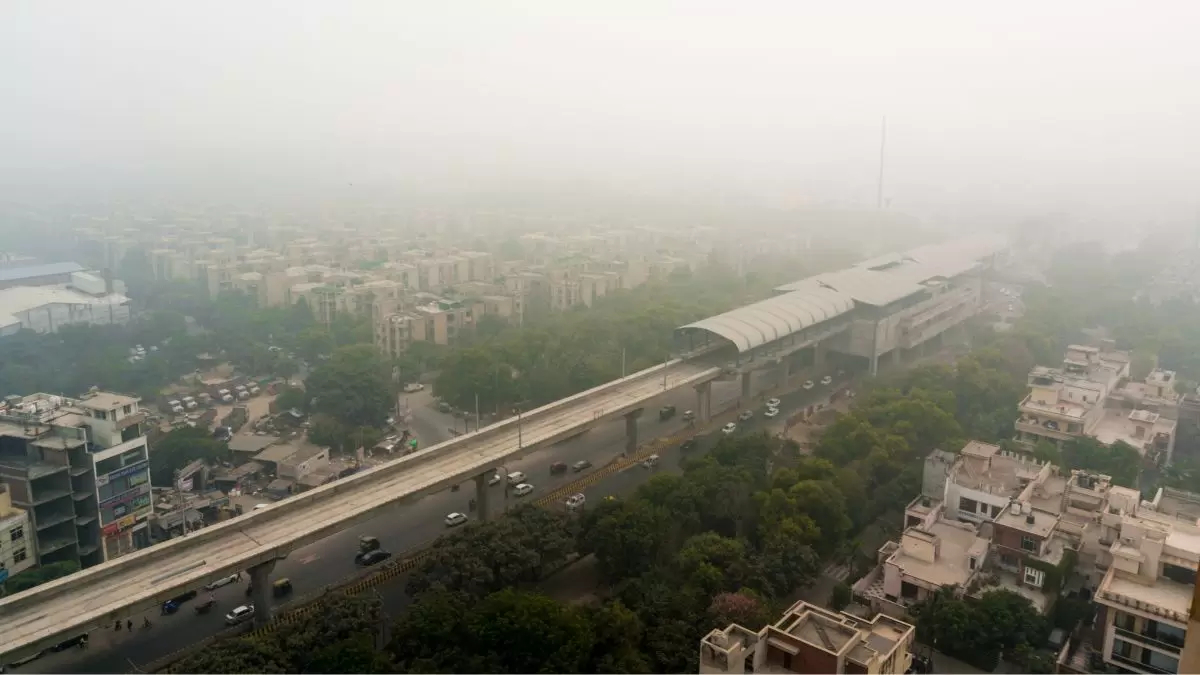
Delhi has the dubious distinction of being the world’s most polluted city. A combination of factors, including stubble burning in neighbouring Punjab and Haryana, along with uncontrolled industrial effluents and slow winds, allows sulphur dioxide and other toxic chemicals to linger in the air.
Even though the government’s intervention seems to be a step in the right direction, the government has acted only after severe criticism for its inept and lackadaisical attitude towards the issue.
Will this be implemented in your city?
It’s too early to say. But it could be soon, as older vehicles emit a higher volume of pollutants. Many governments have been sitting on such policy proposals for quite some time now, and many would be forced to implement such solutions soon.
Many states across the country are providing incentives to scrap old vehicles through the Voluntary Vehicle-Fleet Modernization Program (V-VMP). This also involves tax rebates on purchasing new vehicles after scrapping the older ones.
Though this progam is showing results, there is still a lack of awareness of its benefits and its impact on pollution levels hasn’t been identified. It’s only a matter of time until local governments have to implement stringent policies just like Delhi proposes.

