



This Mental Health Day, we spoke to leading mental health professionals to understand what they wished people knew about mental health and how the challenge is widely ignored and misunderstood to date.
These professionals explained what the day meant to them, both professionally and personally- and what they’d like to change about attitudes around the challenge.
Dr. Garima Gaur, Chief Wellness Officer, The Wellness Co

Mental health is one of the most important, yet often overlooked, pillars of longevity. Our psychological wellbeing, sleep, ability to manage stress, and even the gut-brain connection can profoundly influence our physical health and quality of life over the years.
Too often, people move from one doctor to another in search of answers for physical symptoms, while the underlying emotional and psychological factors remain unaddressed. Thankfully, awareness is changing, and healthcare professionals are increasingly recognising the deep connection between mental and physical wellbeing.
This Mental Health Day, let’s remember that caring for your mind is not a luxury. It is a fundamental part of building a longer, healthier, and more fulfilling life.
Dr. Dhaval Naik, Cardiac & Heart Transplant Surgeon
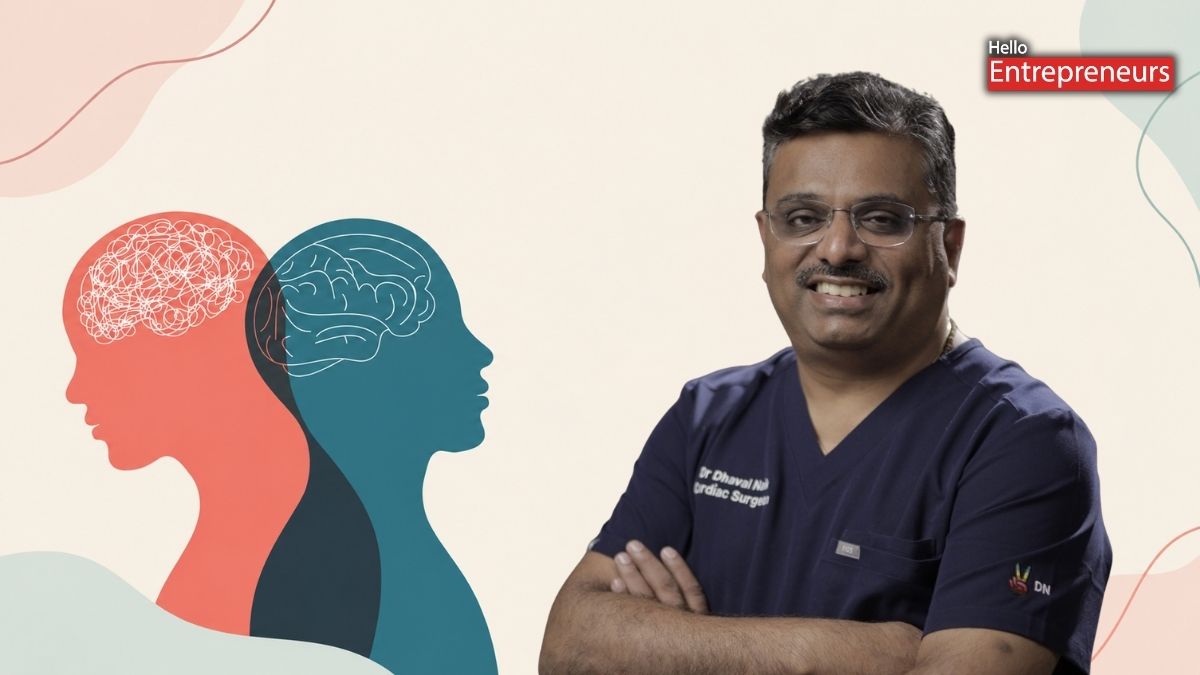
Caring for our mental health is as important as caring for our physical health. As a cardiac surgeon, I have seen how stress affects both our mind and heart. On this Mental Health Day, I encourage everyone to talk about what they are going through and seek support when needed. A healthy heart also needs a healthy mind.
Dr. Chetan Mistry, CEO, SIDS Hospital & Research Centre, Surat
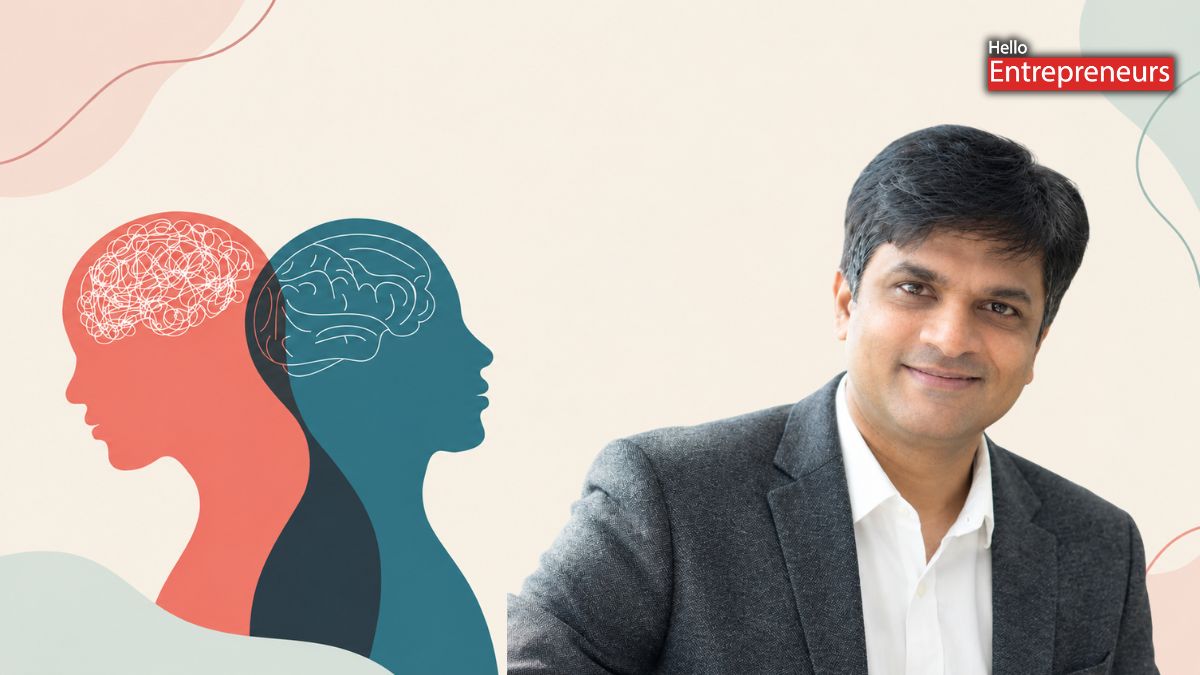
On World Mental Health Day, let us remind ourselves that good health is not just about a healthy body, but also a peaceful and healthy mind.
In the rush of our daily lives, we often overlook our emotional well-being. Taking a moment to pause, sharing our feelings, or simply being there for someone can make a meaningful difference.
Let us build a society where mental health is spoken about openly, seeking help is seen as a sign of strength, and no one feels alone in their struggles.
Wishing everyone a World Mental Health Day filled with positivity, compassion, peace of mind and emotional well-being.
Remember, a healthy mind is the foundation of a healthy and fulfilling life.
Dr. Sanika Divekar, Senior Sports and Performance Psychologist
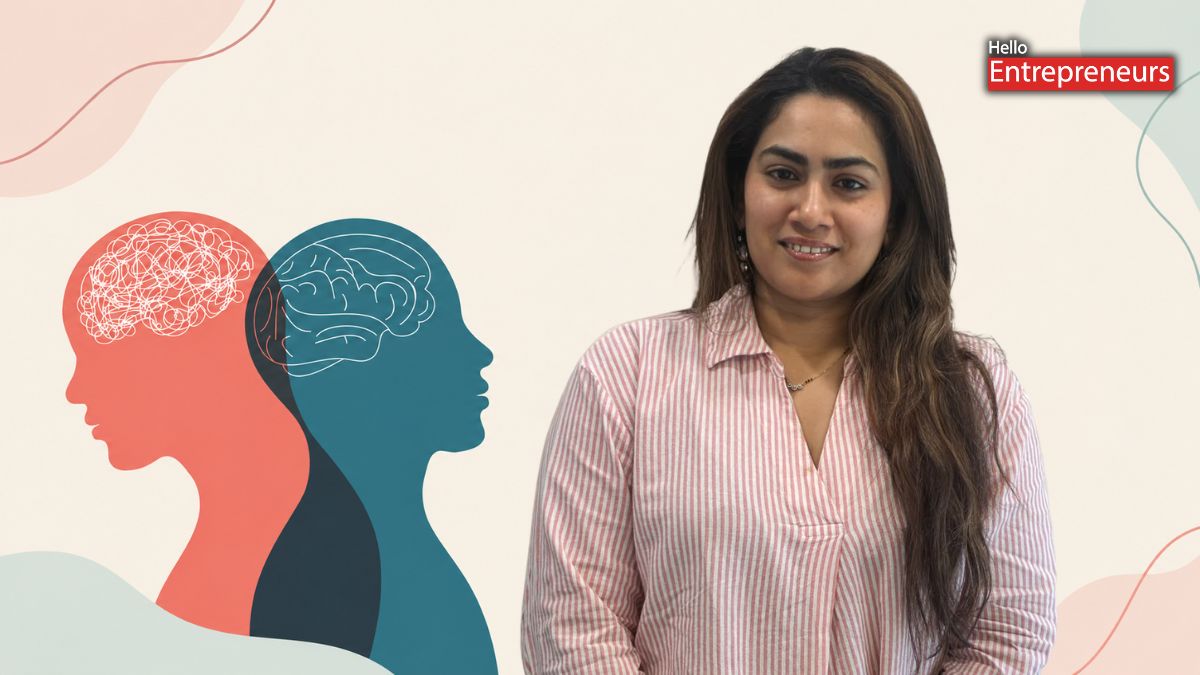
In my work, I have learned that people rarely struggle because they lack strength. More often, they struggle because they feel they have to carry things alone. Over the years, I have sat with many athletes who carried the weight of that expectation in silence. Some were at the top of their game and some were struggling in ways no scoreboard could show.
Many of us have been taught to keep going, to stay composed, to say ‘I’m fine’ when we are not. But healing rarely begins with a technique or a treatment plan. It begins when someone feels truly heard.
This year’s theme, Lived Experiences Heard: Real Voices, Real Change, speaks to the heart of what I do every day. When athletes are given the space to tell their own story, in their own words, they stop seeing their struggles as weakness and start seeing them as part of being human. IIf we want lasting change in sport, we must listen first to the athlete behind the performance, and build systems around what they tell us.
My wish this World Mental Health Day is that every person, on the field or off it, knows that asking for help is a strength, and that when they speak, someone is ready to listen.
Dr. Amit Italiya, MBDCH, Pediatrician and Neonatologist
A child’s mental well-being is just as vital as their physical health, and early emotional experiences form the bedrock of lifelong resilience. By offering unconditional love, empathetic dialogue, and a safe space free of judgment, we empower children to grow into confident, adaptable, and emotionally strong individuals. On this World Mental Health Day, let us as healthcare professionals, parents, and community members commit to providing evidence-based care and compassionate support, allowing young minds to bloom with joy, peace, and confidence.
Dr. Reema Nadig, Co-Founder, Director & Group COO, Lifebridge Group
We often speak about ageing with dignity, independence and purpose, but rarely about the emotional courage it takes to navigate the later years of life. Loss, loneliness, changing relationships, physical health changes and a sense of diminishing relevance can deeply affect mental wellbeing, but none of these should be accepted as inevitable or endured in silence. On World Mental Health Day, I urge older adults and their children to recognise when they are struggling, acknowledge their emotions, speak openly and seek help without hesitation or stigma. Asking for help is not a sign of weakness or dependence; it is an act of courage and self-care. Mental wellbeing is not just about the absence of distress, but about continuing to feel valued, connected and purposeful at every stage of life.
Dr. Sneha Shivarajan, Consultant Psychologist, Good Wave Foundation
It is very easy for a professional to tell someone that they need to sit with the discomfort of their own thoughts. With a plethora of things available to us to ignore the negative voice that rings in our head, take 30 intentional seconds in the day to tell yourself of all the wonderful things that you do, which can do wonders for your sense of self. Through this small ritual, we learn to show ourselves a little more compassion. It gives that critical voice that runs internally a short break and forces you to focus on the evidence for the critical thoughts rather than ruminating on them.
Dr. Sidharth Bawa, General Physician, Diabetes & Geriatric Care Specialist, Shremoha
As a doctor, I believe social connection is an important part of healthy ageing and goes beyond companionship. Research has linked loneliness and social isolation in older adults to depression, cognitive decline and cardiovascular health risks. Even when surrounded by family, seniors may miss having friendships and shared experiences with people their own age. This Mental Health Day, I wish people would recognize and address this need, as it is important for their overall mental and physical well-being.

