



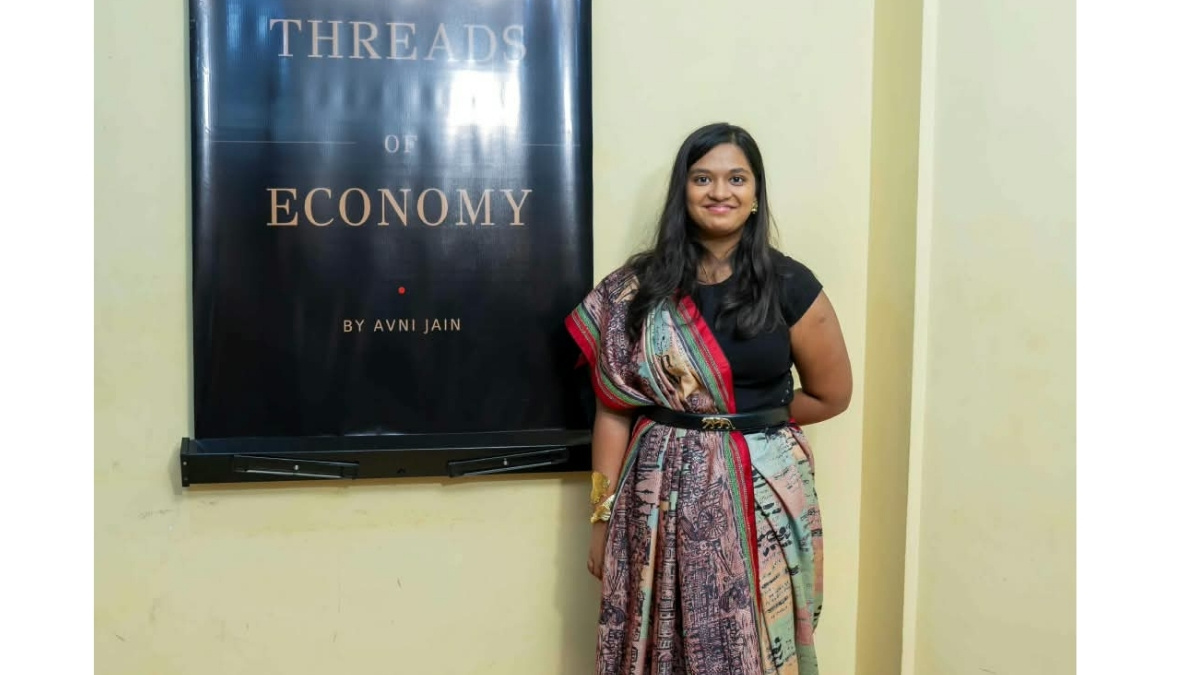
Across many traditional urban and semi-urban communities in India, millions of women possess the desire and aptitude for financial independence, yet remain constrained by deep-seated societal structures. Long daily commutes, restrictive family expectations, and uncompensated domestic responsibilities often prevent trained women from taking up formal employment outside the home. While conducting vocational programs in Kolkata, high school student Avni Jain spent extended time listening to these women, recognizing that the true bottleneck was not a lack of ambition, but a lack of structural flexibility. Refusing to treat these domestic constraints as dead ends, Avni set out to design an economic model that brings sustainable livelihoods directly into the domestic sphere.
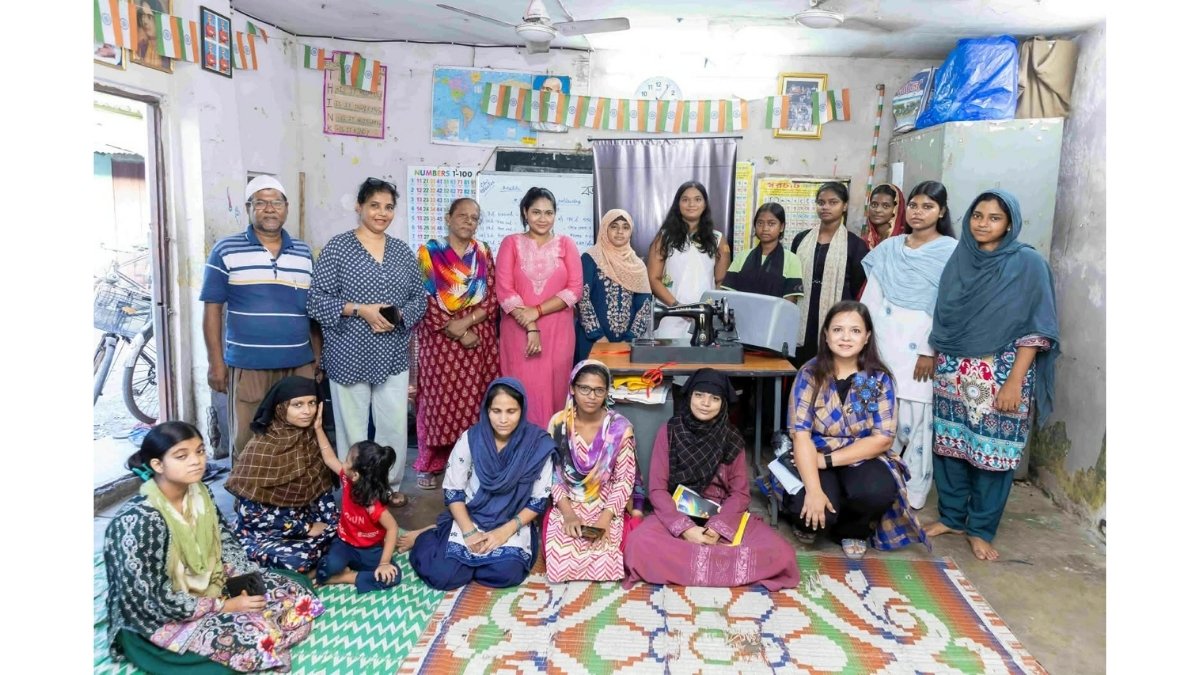
Grounding her strategy in solid economic principles rather than public slogans, Avni drew inspiration from the historical Bengali concept of Dwar-pe-Rozi—delivering economic opportunity directly to the doorstep. Combining this heritage model with her academic study of Corporate Social Responsibility (CSR) dynamics, she launched the Adopt-a-Machine campaign under her initiative, Threads of Economy. The campaign pitches directly to Kolkata corporate houses and business firms, encouraging them to fulfill their mandatory CSR commitments by sponsoring industrial sewing machines for marginalized women.
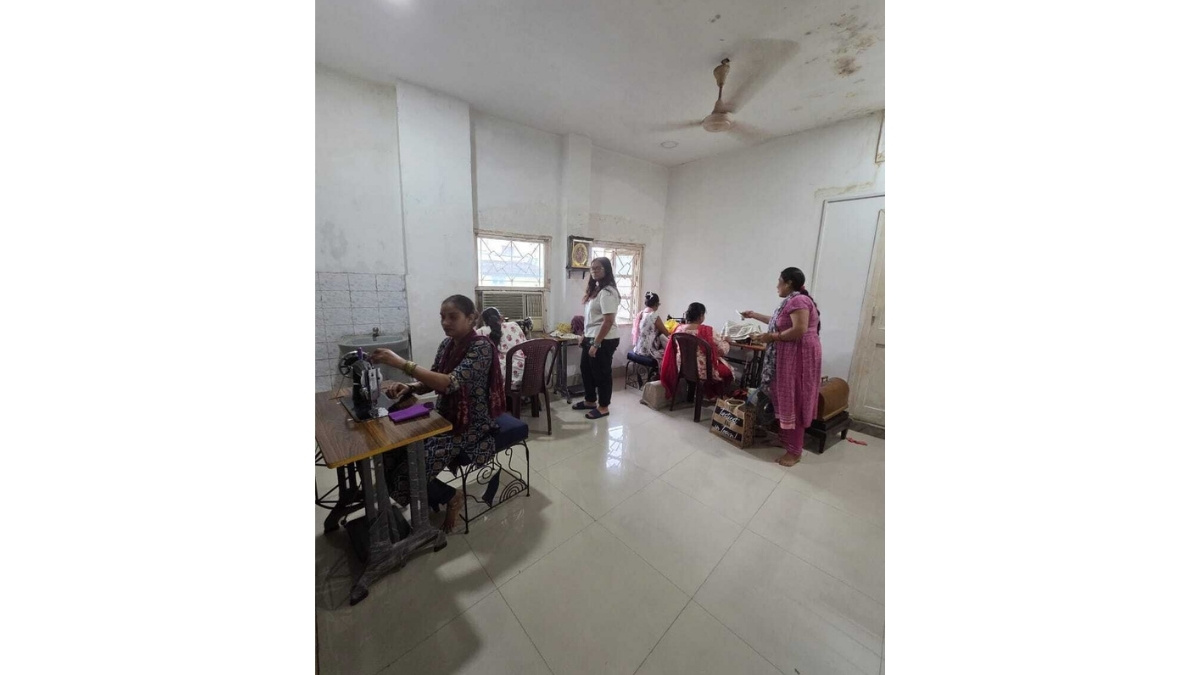
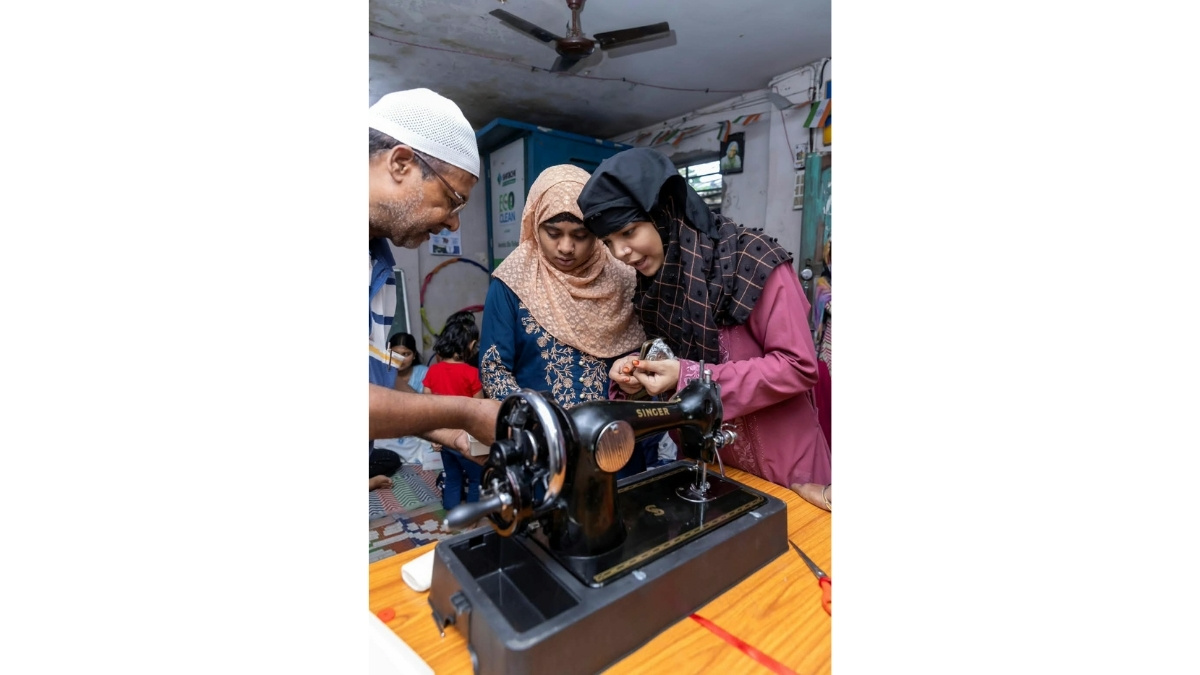
Working alongside established local non-profits, including Jagriti and the Sudhamta Foundation, Avni oversees the placement of these sponsored sewing machines directly into the homes and community hubs of trained artisans. By decentralizing the production process, the initiative allows home-bound women to operate independent mini-tailoring units, generating predictable revenue without compromising their family obligations or safety. To date, the initiative has successfully deployed 13 sewing machines, turning quiet household spaces into vibrant engines of micro-entrepreneurship.
To bridge the gap between grassroots production and public awareness, Avni curated a public art exhibition at the Indian Council for Cultural Relations (ICCR) in Kolkata. Inspired by her learnings in feminist politics and law during a Harvard University summer course, Feminist Dreams of an Ordinary Life, the showcase brought cultural heritage into conversation with gender equity and labor rights. Collaborating with SHE-Kantha, Studio Maeve, and Shoulder Labs Clothing, the exhibition featured curated displays tracing the social and economic impact of Bengali textiles alongside a culminating mural Avni created for her Harvard coursework. By organizing photo shoots featuring her peers wearing these traditional handloom garments, she demonstrated how heritage crafts can be seamlessly integrated into modern life while encouraging visitors to consider the hours of female labor behind every piece.
Crucially, Avni recognized that hardware and cultural visibility alone cannot generate sustainable income without steady market demand. Combining analytical acumen with hands-on empathy, she personally acts as a market liaison, negotiating fair-wage work orders with boutique fashion brands, local designers, and commercial apparel buyers. By securing a continuous pipeline of orders, she ensures that these home-based tailors receive prompt, direct payouts—giving them genuine control over their household finances and elevating their decision-making status within their families.
Preparing to apply for undergraduate studies in Philosophy, Politics, and Economics (PPE) in the US and UK, Avni represents a new generation of social innovators who view empathy as an essential economic metric. “If you study only economics, you risk becoming detached from the human element,” she reflects, emphasizing her commitment to designing economic policies rooted in human dignity. Intending to return to India after completing her international education, Avni Jain is proving that real social transformation does not come from grandstanding, but from delivering practical, life-changing choices to women, one household at a time.