



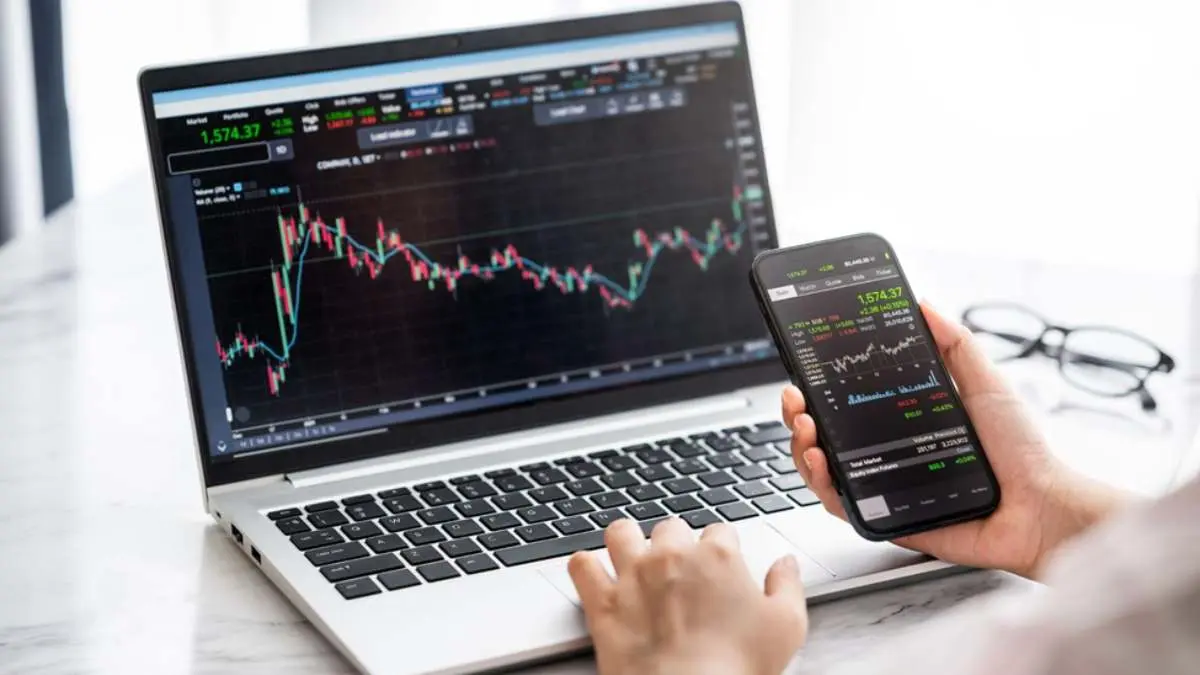
New Delhi: Trading in the equity market attracts people for different reasons. The excitement of fast price movements draws some, while others see it as a way to build long-term wealth. Whatever the motivation, one factor always stands out as essential: patience.
Many new traders believe quick decisions bring success, but over time, it becomes clear that waiting, observing, and acting only when conditions are right is often more effective. This article explores the role of patience in equity trading, why it matters, and how traders can develop it as a habit.
The Market Moves Constantly
The equity market is active every second during trading hours. Prices rise and fall in response to company news, global events, economic reports, and investor sentiment. It is tempting to think every move requires a reaction, but that is not the case.
Traders who chase every tick often find themselves stressed and unsettled. Instead, those who step back, watch the bigger picture, and wait for clearer opportunities tend to approach trading in equity market with more balance. Patience allows a person to separate noise from real signals.
Time Horizons and Their Impact
The following are the time and their impact:
Short-Term vs Long-Term View
In short-term trading, you may see charts depicting sharp swings that can come back just as quickly. Acting without confirmation leaves you open to undesirable results. However, in longer-term views, trends are often helpful for your decisions.
Patience is what bridges the two perspectives. A trader who is here to stay and not run off can discern whether a movement is just a blip or the beginning of a real trend.
Letting Trades Play Out
Once a position is taken, it can be difficult to watch prices move up and down. Many traders close trades too soon, missing the original target. Patience helps in letting strategies play out instead of cutting them short at the first sign of volatility.
Emotional Control Through Patience
Let’s know emotional control through patience:
Avoiding Impulsive Reactions
Many decisions in trading are fuelled by fear and excitement. As an example, sharp declines will cause panic selling, whereas a sharp rally may also cause traders to enter at the top. Such snap decisions do not fit the previous plan most of the time.
Patience acts as a buffer. By waiting and breathing before reacting, traders avoid decisions based purely on emotion.
Confidence from Preparation
Patience is closely linked with confidence. When a trader has studied a company or a chart setup carefully, waiting for the right level feels easier. Entering only when conditions match the plan reduces uncertainty and supports confidence in the decision.
Risk Management and Waiting
Risk is part of every trade, but patience can limit unnecessary exposure.
- Waiting for confirmation: Instead of entering on the first signal, waiting for additional signs helps reduce false entries.
- Avoiding overtrading: Patient traders make fewer but more considered moves.
- Respecting stop levels: With patience, traders are less tempted to shift stop losses impulsively.
By spacing out decisions, traders give themselves time to think. This usually leads to steadier results compared to constant action.
Research Needs Time
Good research cannot be rushed. Analysing company results, tracking sector trends, and studying charts all demand focus. Patience is what allows this process to be completed before making a trade.
A hurried entry without research often feels like stepping into unknown territory. In contrast, patient traders give themselves a chance to understand what they are dealing with, making them more prepared for possible scenarios.
Practical Ways to Build Patience
Here are key ways to build patience:
- Create a Trading Plan: Writing down entry points, exit levels, and stop losses helps reduce second-guessing. Once the plan is ready, patience is the tool that keeps a trader committed to it.
- Limit Screen Time: Watching every movement can make trading feel more urgent than it really is. Checking charts at set times instead of every few minutes encourages calm decision-making.
- Use Alerts and Tools: Setting price alerts or using simple trading tools can reduce the need to constantly monitor. This makes it easier to wait for conditions rather than chasing every fluctuation.
- Keep Records: Maintaining a journal of trades highlights how patience, or the lack of it, affected results. Over time, this builds awareness and encourages better habits.
Patience During Volatility
Markets often face sudden spikes or drops due to news events. These moments can be overwhelming, especially for newer traders. However, volatility also passes. Those who wait for the dust to settle before acting are less likely to be caught on the wrong side.
For example, when a company announces results, the immediate reaction may be extreme. Prices may shoot up or fall sharply in minutes, but after some time, they often stabilise to reflect the true impact of the news. Traders who act instantly may find themselves trapped, while patient ones can evaluate more calmly.
Learning Takes Time
Trading is not just about profits and losses; it is also about lessons. Each decision, whether successful or not, adds to a trader’s experience. However, these lessons take time to appear. Constantly shifting between strategies prevents traders from understanding what works.
Patience ensures a strategy is tested properly. Only by waiting through both good and bad phases can traders judge its real effectiveness.
Styles of Trading and Patience
- Day Trading: Even within a single day, patience matters. Not every minute brings opportunity. Waiting for clear setups prevents unnecessary trades.
- Swing Trading: Holding trades for days or weeks requires resisting the urge to exit early. Quick profits may look tempting, but the strategy depends on holding until the plan is complete.
- Long-Term Investing: Patience here is almost the entire foundation. Equity investments may fluctuate daily, but the broader trend reveals itself only over years. Without patience, the long-term advantage of equities is difficult to realise.
Challenges in Being Patient
Patience may sound simple, but practising it is harder. Traders face pressures from financial goals, peer comparisons, or even the need for action. With mobile trading apps and instant access through a demat account, entering or exiting a position is just a tap away, which adds to the challenge.
Recognising these influences is the first step. Once aware, traders can build systems to control them, such as setting rules for the number of trades per week or using alerts to reduce impulsive monitoring.
Balanced Patience vs Inaction
It is important to note that patience does not mean doing nothing. It means choosing action carefully. Inaction without purpose is not the same as waiting with discipline.
Balanced patience allows a trader to stay engaged with the market while avoiding unnecessary moves. This balance comes with experience, but the effort to achieve it is worthwhile.
Final Thoughts
Patience is the foundation of discipline, and the equity market rewards discipline. Patience provides traders control over emotions, risk, and allows them to perform their homework, and allows strategies the appropriate time to improve. The market will always have quick movements and surprises, fast markets where opportunities arise, and the trader will feel compelled to react. However, not every move needs to prompt a reaction.
When traders develop the ability to be patient, they stop looking to move with every movement and can slow down their decision-making. Patience allows traders to make informed decisions. Overall, as traders develop patience, the trade becomes a solid and less stressful experience in the long run.
Disclaimer: This article is for informational purposes only and does not constitute financial advice. Investing in stocks includes financial risks, and past performance is not indicative of future results. Readers should conduct their own research or consult with a qualified financial advisor before making any investment decisions.