



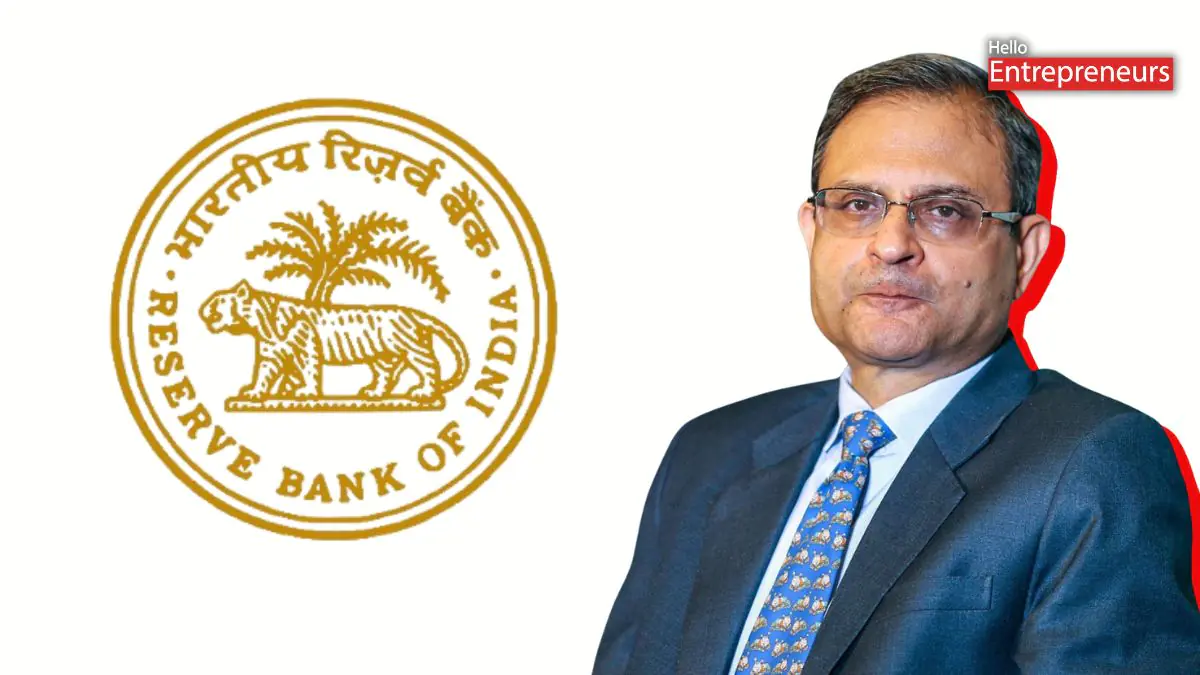
New Delhi: At the Monetary Policy Committee (MPC) review, the Reserve Bank of India (RBI) has decided to keep the repo rate unchanged at 5.5%, maintaining its neutral stance considering the prevalent market and economic conditions.
The move was widely expected, as retail inflation has remained below 4% since February and GDP figures have been estimated to be upwards of 6.8%, as against the earlier estimate of 6.5% for the current financial year. Besides, the recent GST rate cut is expected to boost consumption and ease inflation
“We have taken balanced, calibrated, and well-thought-out measures for the banking sector. The aim will be to promote stability of the system while enhancing the growth of the economy,” RBI Governor Sanjay Malhotra, in a press conference post the meeting, said.
Bank yet to fully pass on benefits of earlier rate cuts
The RBI had previously cut the repo rate by 100bps (basis points) cumulatively, with home loan EMIs likely to come down. But the banks haven’t fully passed on the benefits of this reduction to the public yet.
“Banks are yet to fully transmit the earlier 100 basis points repo rate reduction and is expected to be completed soon in the ongoing festive season. This is expected to benefit the real estate sector, especially homebuyers in the affordable and mid-income segments,” Vimal Nadar, National Director and Head of Research, Colliers India said.
“The central bank has reinforced a predictable borrowing environment, a key factor for the real estate sector where home loan affordability significantly drives demand,” agrees Anurag Mathur, CEO, Savills India.
“The rollout of GST 2.0 has introduced targeted reforms designed to lower input costs and streamline compliance for developers. The reduction of GST rates on key construction materials are expected to reduce overall construction costs by an estimated 3% – 5%. These reforms are anticipated to enhance project viability, encourage new launches, and improve housing affordability for buyers. Aligned with these policy measures, the upcoming festive season, traditionally a period of strong property buying sentiment, positions the sector for a positive upswing. Attractive festive offers, combined with stable borrowing rates and reduced construction costs, are expected to accelerate housing sales, particularly in the mid and affordable housing segments, which continue to be the primary growth drivers,” Mathur adds.

