


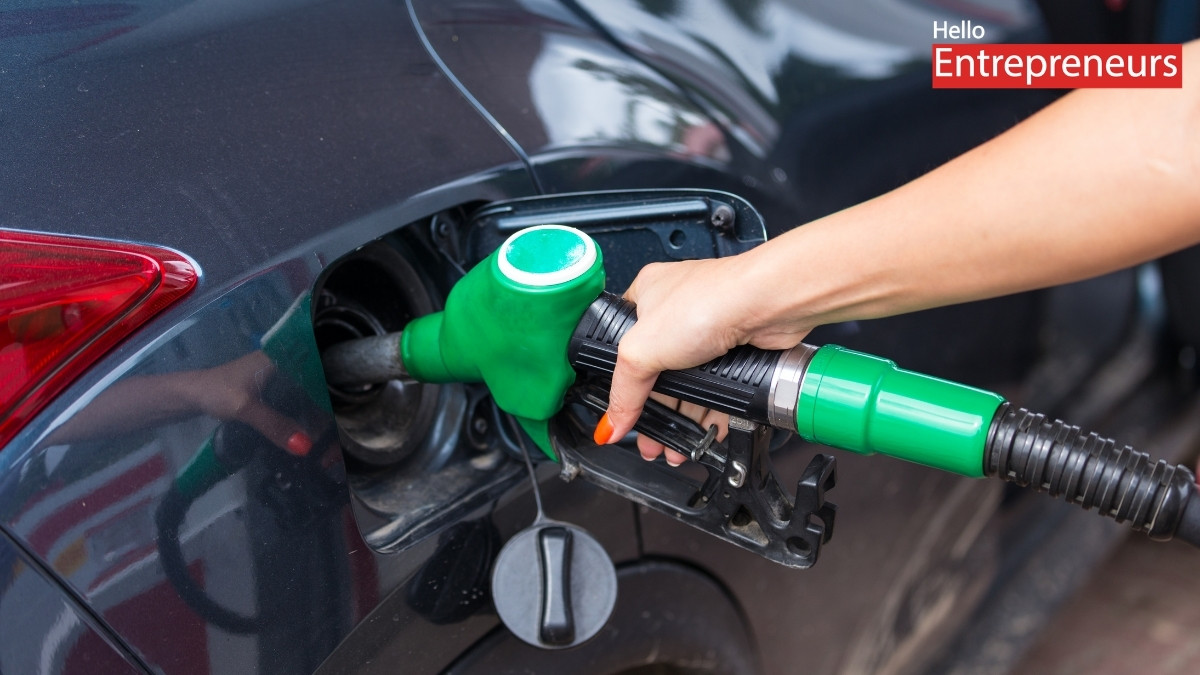
New Delhi: The hike in petrol and diesel prices by state-run oil marketing corporations across the country on Friday has brought oil markets back into the economic limelight in India. The jump is the first major hike in fuel prices in almost four years, amid rising fears of disruption to global crude oil supplies and growing tensions in West Asia.
The revision jacked petrol and diesel prices up to ₹97.77 and ₹90.67 per liter in Delhi, from the previous rates of ₹94.77 and ₹87.67 per liter. Post the revision, petrol prices in Mumbai rose to more than ₹106 per liter; petrol went up to ₹107.97 per liter, and diesel to ₹93.23 per liter in Jaipur.
The move comes on the heels of a surge in international crude oil prices caused by escalating tensions between Israel, Iran and the United States in recent days. Brent crude fell to less than $120 a barrel before settling around $100-105, reflecting the market’s concern over potential trouble in the Strait of Hormuz, one of the world’s most vital oil shipping corridors. (reuters.com)
In the case of India, it is a sensitive matter because it imports more than 85% of its crude oil needs. This reliance can easily result in short-term shocks to domestic fuel prices, inflation, and transport fares.
What’s impressive is that the oil marketing companies could get away with not adjusting retail prices despite the higher crude prices. Retailers were able to keep prices level for almost 11 weeks despite rising input costs, contributing to under-recoveries, Reuters reported. The industry estimate is that the ₹3 hike was only partially offset by the actual rise in crude-linked costs in the global market.
The increase is also an about-face, following weeks of relatively calm retail fuel prices. Petrol and diesel prices had not changed significantly since April 2022, except for a temporary ₹2 per liter cut announced in March 2024 ahead of the general elections.
For consumers, the effect is short-term at gas stations, and the long-term effects are likely to play out over the next couple of weeks. Diesel has remained at the heart of the nation’s transport and logistics landscape, especially in this regard. A prolonged rise in diesel prices is likely to negatively impact freight costs, farm transportation, public transportation, and the cost of key commodities in the supply chain.
Fuel is frequently referred to as a “multiplier commodity” in the economics literature because price changes have multisectoral effects. Increased transport costs may ultimately affect the cost of vegetables, ready-made food, building commodities, and consumer goods. In recent months, inflationary pressures have eased, but if global crude prices remain high for an extended period, they might gain momentum again.
The logistics and aviation industry is likely to be affected by this first. Most truckers and commercial fleet owners operate on thin margins and little room for fuel cost hikes. If crude oil volatility persists, aviation turbine fuel prices will remain high, which could affect airlines’ operating costs and ticket pricing.
Meanwhile, companies in the modern era seem to be better equipped to deal with commodity shocks than they were several years ago. A number of companies have made significant efforts to improve their inventory planning, expand their sourcing networks, and enhance their cost management systems since the early days of the pandemic and the global supply chain crisis that began in 2020 and continued through 2023.
However, fuel prices are a sensitive issue in India. The Congress party lashed out at the hike, saying the government is imposing an extra burden on the pockets of people already facing high living costs. Fuel prices have always been an issue that has led to strong political response due to household budget implications and transport costs.
The government’s dilemma is how to achieve a balance between consumer protection and fiscal realities. Lowering excise taxes can help curb retail prices while also affecting the revenues that are collected. In the past, when crude oil prices have risen, both the Center and the state governments have temporarily cut fuel taxes to ease the burden on consumers. Whether similar measures are to be reconsidered will depend on the continued length of crude oil prices.
The state-owned oil companies in India, namely Indian Oil Corporation (IOC), Bharat Petroleum Corporation Limited (BPCL), and Hindustan Petroleum Corporation Limited (HPCL), operate over 103,000 fuel stations across the country and typically adjust prices jointly.
But for the time being, much will rely on events in West Asia. Domestic fuel prices could not be subject to further sharp revisions if geopolitical tensions ease and crude supplies stabilise. However, if the conflict escalates or supply lines are cut, India may face prolonged energy cost pressures.
In many respects, Friday’s price increase is a reminder that the Indian economy is highly dependent on global oil prices. What happens thousands of km away can have a significant impact on country-wide inflation, business costs, and household spending habits in days.

