



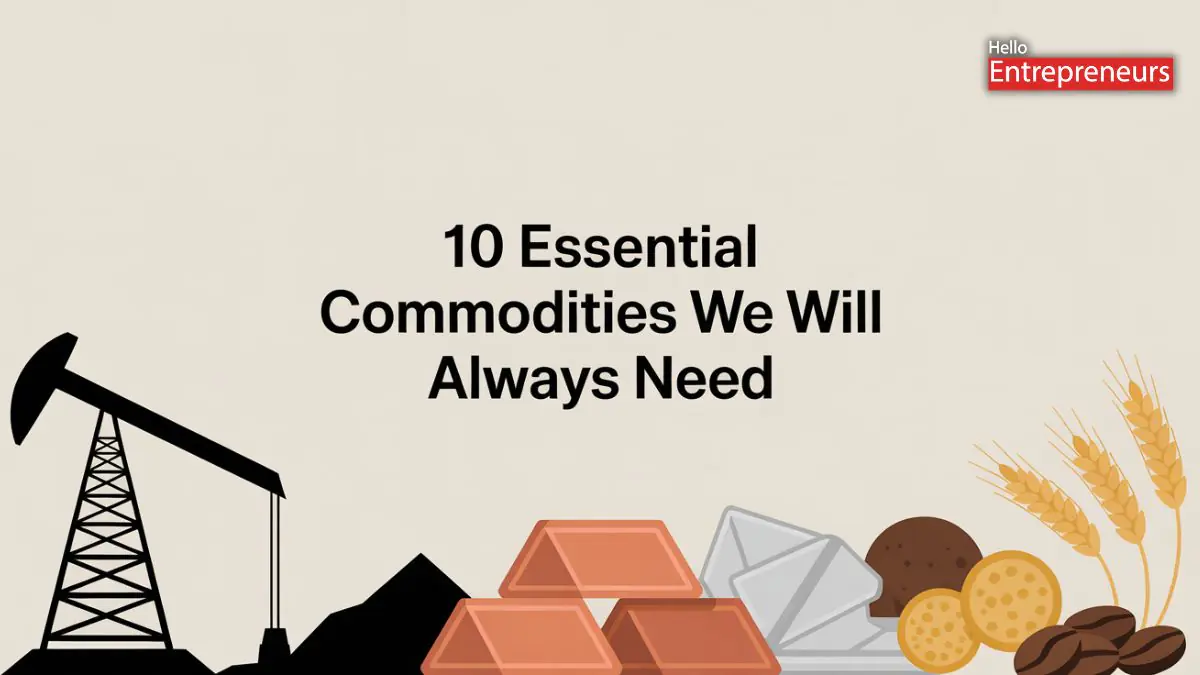
In economics, commodities are described as those materials that humans will always need- it could be the fuel required to keep your lights on, the wheat in your bread, or even the milk in your coffee. These commodities can be limited in supply, with demand always increasing, making it a seller’s market. As an investor, buying into these commodities, either through ETFs or the companies that supply them, offers a consistent, dependable income that doesn’t sway between seasons, economic cycles or any other variations. And we’re not talking about gold.
Crude Oil
What makes it indispensable
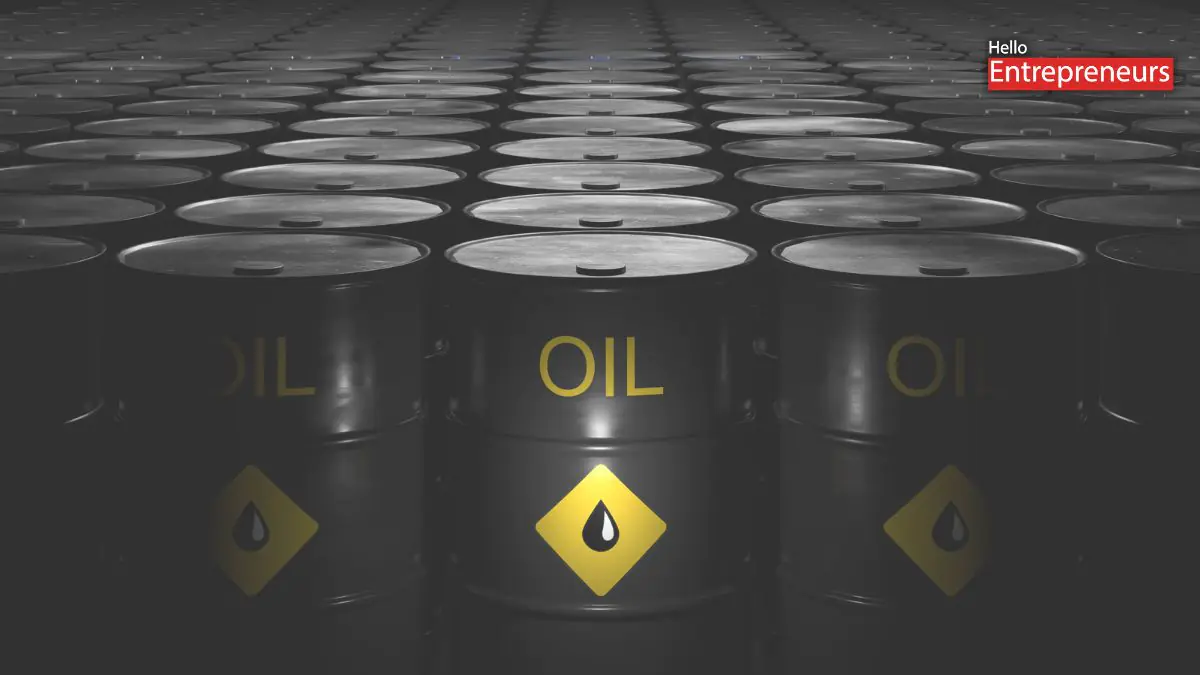
How would the world look like if cars, trucks, bikes or planes didn’t exist? No matter how efficient they are, they require fuel to run- and millions of vehicles depend on this fuel to run. Petrol comes from crude oil, a raw material that the world continues to depend upon for transport, plastics, chemicals and some pharmaceutical products. Today, almost one fourth of the world’s global energy consumption comes from crude oil- mostly through petrol, diesel and Aviation Turbine Fuel (ATF). India imports almost 85% of its crude oil, and many other countries worldwide are forced to do so- to keep their economies running.
How to invest in it?
In India, most of the crude is imported by four major companies- RIL, BPCL,HPCL and OIL. These companies have consistently high profits, as their refineries also export $60 billion worth of petroleum products each year. You can buy a few of these company’s shares, as they are known to be far less volatile due to the never ending demand for petrol, diesel and other products
Coal
What makes it indispensable
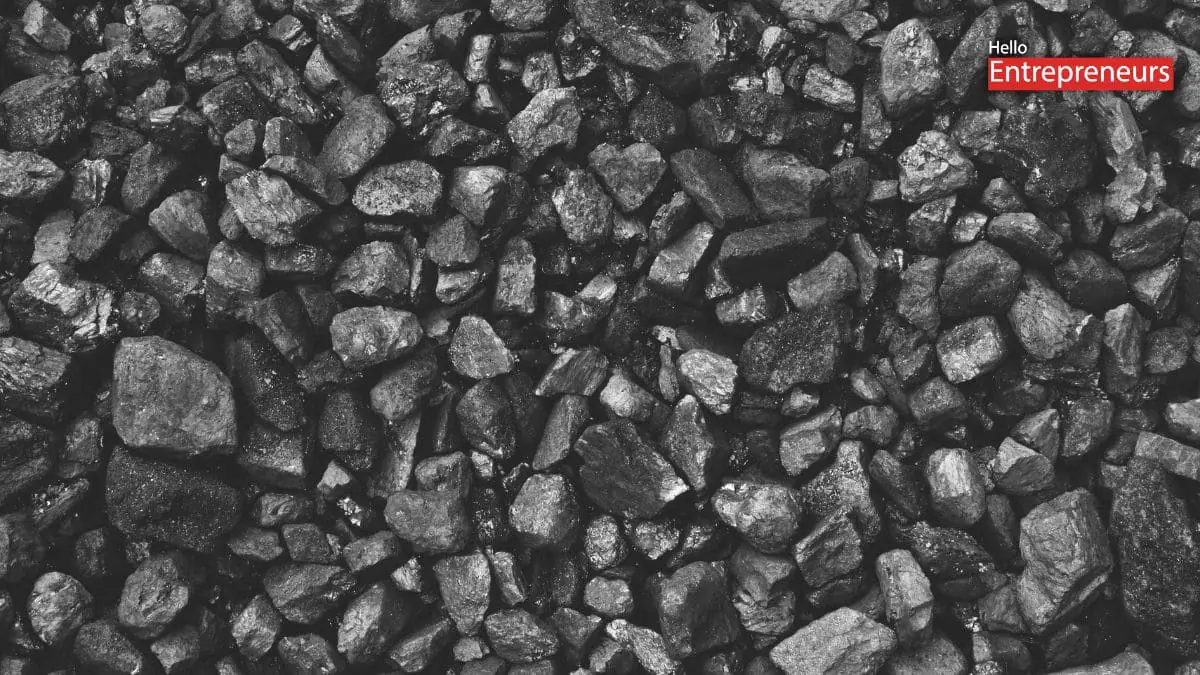
Despite efforts to wean away from it, coal remains a crucial source of energy generation. Over 70% of the energy we use comes from coal, and it may stay that high despite the growing share of renewable energy sources. Coal may be a dirty fuel, but it offers a consistent supply of energy that renewables cannot, and are relied upon for keeping with the growing demand for electricity.
How to invest in it?
Coal mining is still dominated by the public sector, with Coal India Limited controlling many mines. Private suppliers are also in the fray, and power generation companies like NTPC, Tata Power, NHPC and JSW Energy have been generating energy consistently through thermal energy. To offset the high emissions here, many companies are partnering with engineering firms like Thermax, GE Power and L&T to use emissions. Investing in these companies has always offered consistent returns, as these companies have themselves opted to run solar, wind and other renewable energy farms as well.
Copper
What makes it indispensable
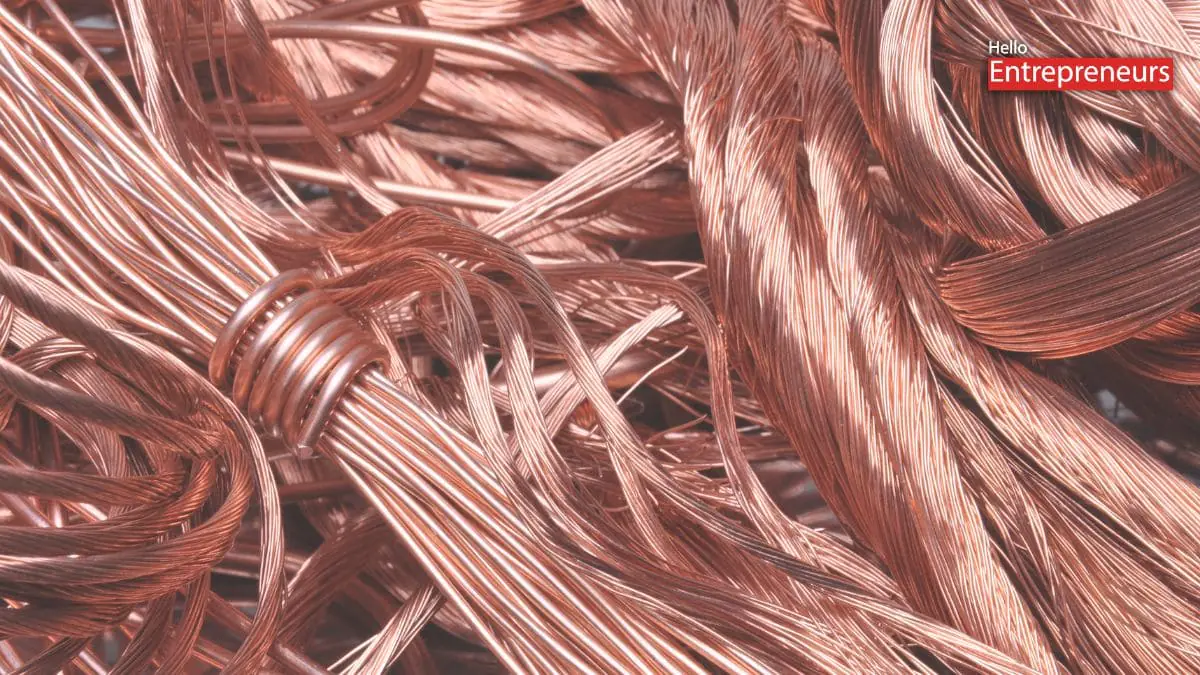
If coal and crude oil are our primary sources of energy, copper is the medium through which the energy reaches us. Its exceptional electrical conductivity makes it irreplaceable for electrical infrastructure- particularly wiring where copper wires are primarily used for power transmission.
How to invest in it?
In India, Hindustan Copper Limited (HCL), Hindalco and Precision Wires India Limited are the major companies dealing with copper, with HCL and Hindalco focused on mining and processing, while Precision Wires manufactures crucial electronics components and equipment. With increasing demand outstripping supply by almost 30%, these stocks are almost certain to offer multibagger returns, assuming the demand and other factors remain consistent. Besides this, you can also invest in an Exchange Traded Fund (ETF) that invests in Mutual Funds that track the metal market as a whole.
Iron Ore
What makes it indispensable
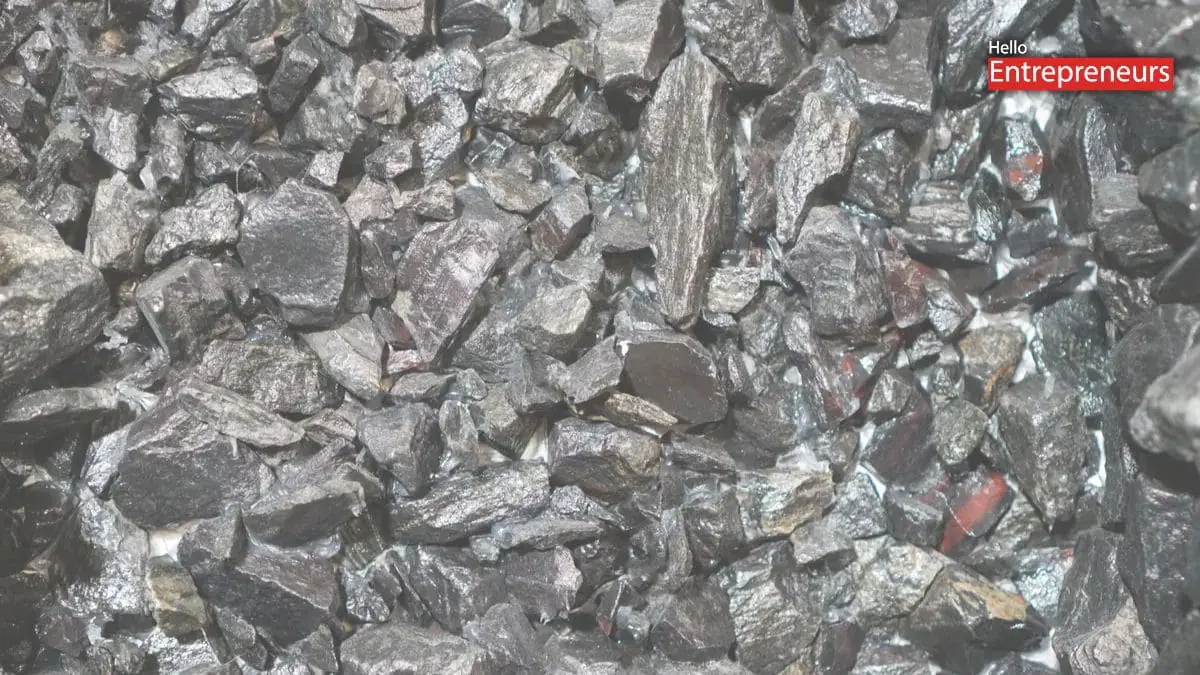
Steel derived from iron ore has remained crucial for our daily existence. Our homes, offices, transport and public infrastructure rely on variants of steel, and the demand remains constant irrespective of the various economic cycles. There is nothing that has been able to replace steel; most technological advancements are centred around boosting its strength and longevity.
How to invest in it?
India’s growing population needs better civic and transport infrastructure, and all companies involved in the value chain see a consistent demand for their offerings. For the long term, you could invest in iron ore mining companies like Tata Steel, SAIL or Jindal Steel or you could take things further and invest in infrastructure ETFs that invest and track the Nifty Infrastructure Index. This index tracks stocks that are deeply involved in the steel-led infrastructure play, including companies that develop engineering solutions using steel. The government has always promoted and protected local steel players, irrespective of the price changes in the international markets.
Aluminium

What makes it indispensable
If steel is crucial for heavy infrastructure, then aluminium’s lightweight properties are cruel for precision engineering requirements in aerospace, renewable energy and automobiles. The shift to EVs is also at play here, as aluminium remains the core to the success of these next-generation cars. The demand for aluminium is growing, with bauxite miners across Africa, Indonesia and Australia meeting demand for the refined material.
How to invest in it?
Demand for aluminium is expected to grow between 7-9% CAGR, with the power, automotive and transport sectors requiring high quantities of the material. In India, bauxite miners and refiners like BALCO, NALCO and Vedanta are quite popular with investors, and will remain so for the foreseeable future.
Natural Gas
What makes it indispensable
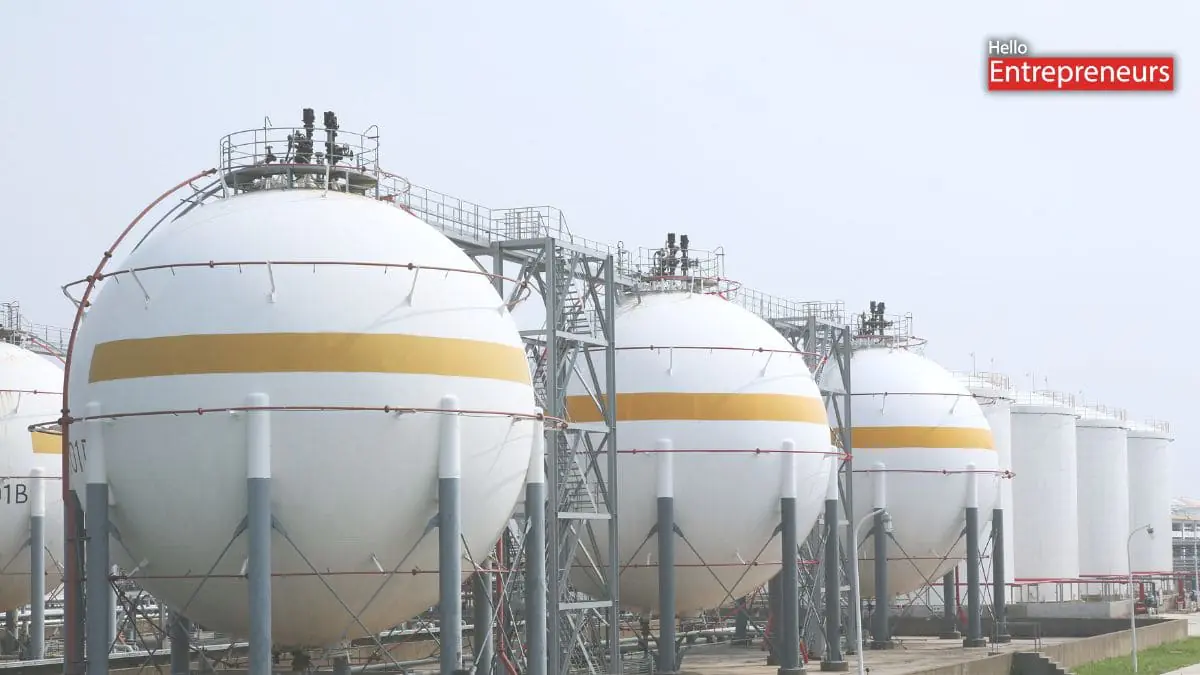
Although Natural Gas is a fossil fuel, it doesn’t emit harmful chemicals in the environment like petrol or diesel does. Natural gas has emerged as an affordable source of energy, with CNG-run vehicles helping in reducing emissions. The government has also encouraged the use of CNG to generate electricity as a viable alternative to thermal energy. India’s demand for natural gas is expected to rise up to 60% by 2030, mostly from demand in piped natural gas for domestic use, from refineries as a source of energy as well as for long-haul transport requirements.
How to invest in it?
Companies like IOL, BPCL, Petronet LNG and others import, process and distribute natural gas in India for domestic use.
Wheat
What makes it indispensable
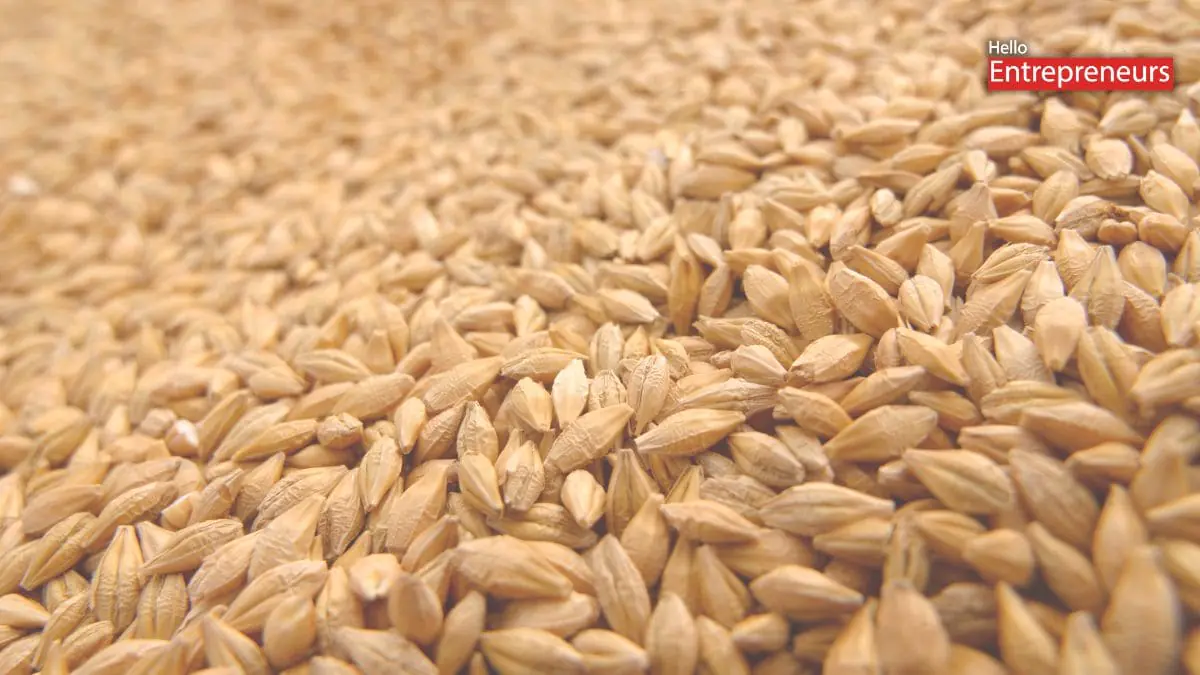
Almost 3 billion people depend on wheat for sustenance, with no other substitutes for bread, pasta or basic nutrition. Technology advancements have helped us boost yields, and keep prices low even as the demand increases by about 2% per year.
How to invest in it?
Leading FMCG companies like Adani Wilmar, Hindustan Unilever and ITC buy wheat in bulk and process them for exports. These companies, along with agri-tech companies like Mahyco and Kaveri Seed Company offer consistent reasons for growth.
Rice
What makes it indispensable
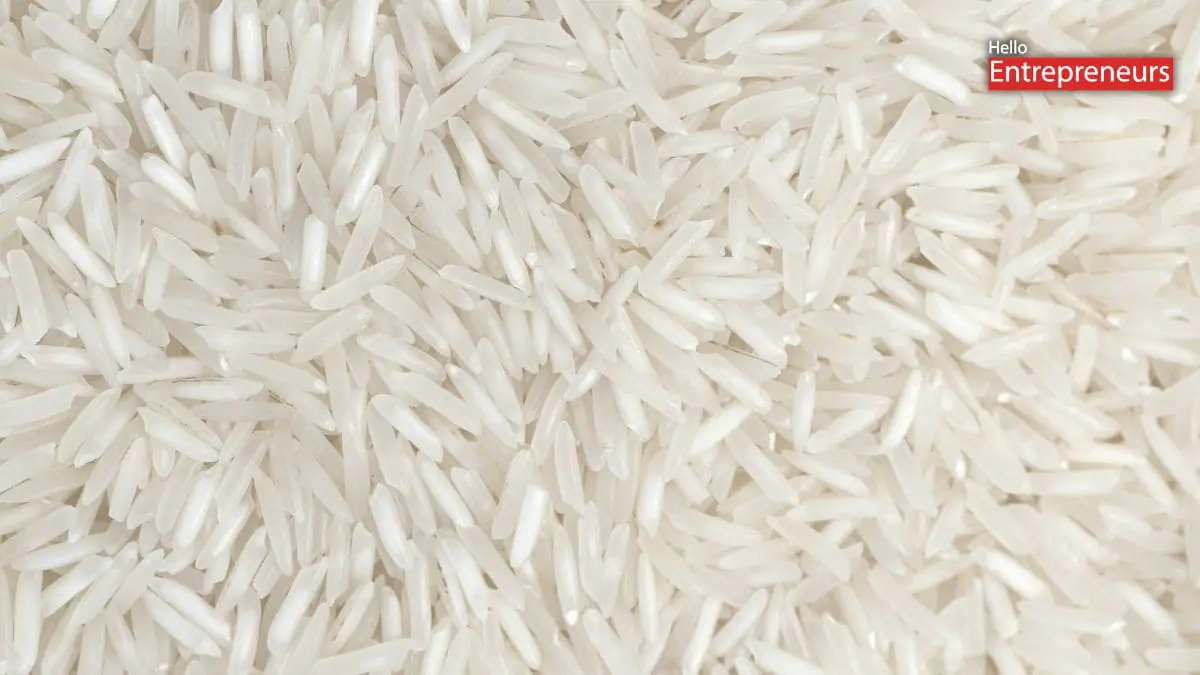
After wheat, rice offers sustenance for over half of the global population, especially in Asia. Increasing populations and incomes have increased the demand for high-quality rice, with the Middle East and Western Europe leading here. Many countries like the Philippines, Indonesia and China have to import rice, as their domestic production is inadequate for their needs.
How to invest in it?
India has consistently been the top producer of rice in the world, with leading companies like Kohinoor Ltd, Adani Wilmar and LT Foods Ltd being the main processors and exporters of rice from India.
Coffee

What makes it indispensable
Coffee has come a long way from being just a Western beverage import to a crucial beverage many in the world cannot do without. Coffee needs a hot and humid climate to grow optimally, especially in tropical areas. Many people who took coffee for granted now have to pay far more for their daily fix, as crop yields have reduced significantly due to extreme weather events in major coffee-producing regions like Brazil and Vietnam.
How to invest in it?
Demand for coffee is expected to increase by 8% CAGR, mostly on the back of robust demand, influenced by Western lifestyles. CCL Products India Limited and Bombay Burmah Trading Company have been well integrated into the coffee chain, and have seen robust growth in their market cap on the back of consistent demand even if supply challenges remain.
Cocoa
What makes it indispensable
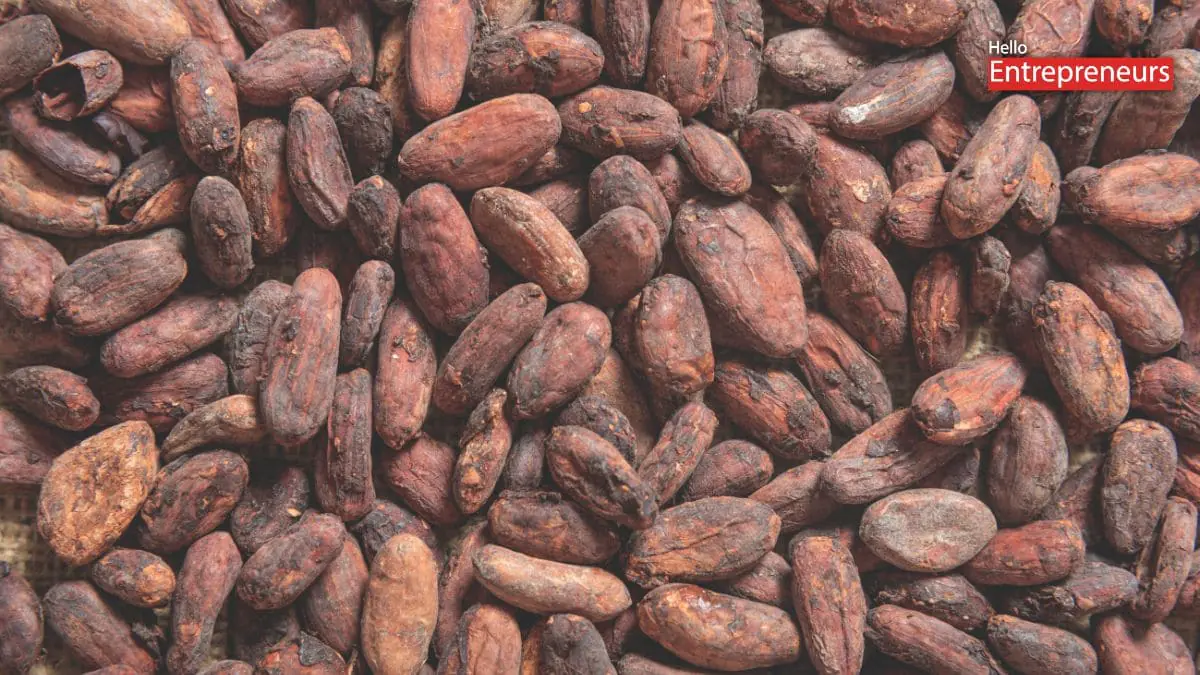
Over the years, cocoa has become the favourite flavouring and dessert for its rich taste and texture. Like coffee, cocoa needs a warm, tropical climate for production, and the yields have decreased almost 13% last year due to extreme climate and pests. Yet, demand remains high, as people still don’t mind paying a premium for a great taste.
How to invest in it?
Currently, India produces just 1% of the world’s total cocoa crop, and most of the cocoa we use is imported. However, there are companies like the Lotus Chocolate Company and Campco Ltd that have invested in the value chain for cocoa.
Disclaimer: This article is for informational purposes only and does not constitute financial advice. Investing in stocks includes financial risks, and past performance is not indicative of future results. Readers should conduct their own research or consult with a qualified financial advisor before making any investment decisions.

