



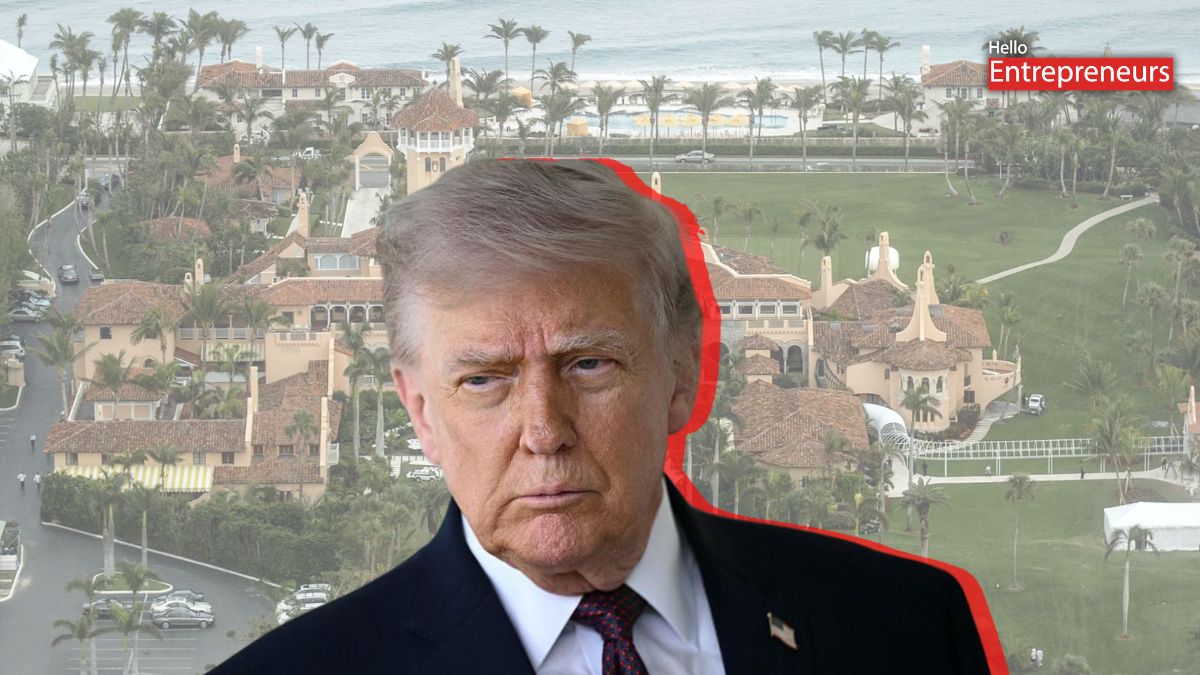
Florida, USA: Donald Trump’s signature brand is taking a beating, and even the world’s most powerful man has been forced to take desperate measures. Over the past weekend, widely publicised reports showed how the President hosted a lavish conference and dinner at his Mar-a-Lago residence in Florida, specifically targeting high net worth holders of his memecoin $TRUMP.
Launched in January 2025, this memecoin was launched by the President as a medium to raise funds, engage supporters and boost the crypto industry, even though this remained a highly controversial move. Within less than a month, the coin was worth $27 billion, but the price has plunged 96% since then.
For Donald Trump, this has been a personal setback, as the coin, though not a direct investment vehicle, was expected to help him boost his brand. With his controverisal decisions to stoke war in the Middle East and abduct the President of Venezuela, his approval ratings have taken a beating, hence the need to shore up supply.
A Star-Studded “Desperation” Play?
The Mar-a-Lago event was anything but subtle. Trump did everything he could to showcase his influence and strength at the event, with the main goal being to reward those who held the most coins. Surprisingly, Trump even drafted boxing legend Mike Tyson to attend the event, along with a host of crypto influencers and tech entrepreneurs.
Showcasing himself as the ‘crypto president’, he aimed to win over the support of those who endorsed digital assets, even as he got Congress to pass crypto friendly legislations like the GENIUS Act.
Why $TRUMP is Crashing
With the US President being criticised for his foreign policy decisions and the markets hunt for better returns, Donald Trump is now trying to shore up support with the hope that his approval rating remains strong. Currently, his approval rating is languishing at 33%, from the 47% he had when he assumed office.
The Bigger Political Picture
For Donald Trump, the Mar-a-Lago conference wasn’t just about a coin. It aimed at attracting the support of younger, tech-savvy voters who feel alienated by traditional financial regulations. With the US-Iran war continuing to hold the world economy to ransom, regaining this support will not be easy.

