




There are fears that the Indian Rupee could reach Rs.100 for a dollar soon. Even as experts dispel fears, those who were planning to go abroad or import something from overseas, now have to shell out more than they had expected.
Though there are many reasons behind the Rupee’s recent depreciation, there are two sides to the coin. This devaluation helps our exports earn more, even though we may face inflationary pressures sooner or later. Though this remains a cause of concern, there have been other countries that have faced far greater challenges than we have. Here are six currencies that have devalued to a far greater extent than you could possibly think of.
Zimbabwe (Zimbabwean Dollar)

Devaluation since 2000: The Original Zimbabwean Dollar was once almost at parity with the US Dollar, but sustained hyperinflation, which peaked in the year 2008, forced the government to print higher denomination money that eventually became worthless The country then tried to create a new currency, but that eventually didn’t work as well. Eventually, the Reserve Bank of Zimbabwe was forced to release gold-backed currency called the Zimbabwe Gold, which hasn’t worked as expected to date.
Reason: The Zimbabwean Dollar has seen a near total collapse since the year 2000 after the government fast tracked a land reform program where it seized highly productive commercial agricultural land and gave it to inexperienced farmers. This led to a sharp decline in agricultural output and a collapse of the commercial banking sector. The persistent reliance on grain imports and stronger public spending has led to an unsustainable external debt that continues to this day for the Southern African nation.
Argentina (Argentine Peso)
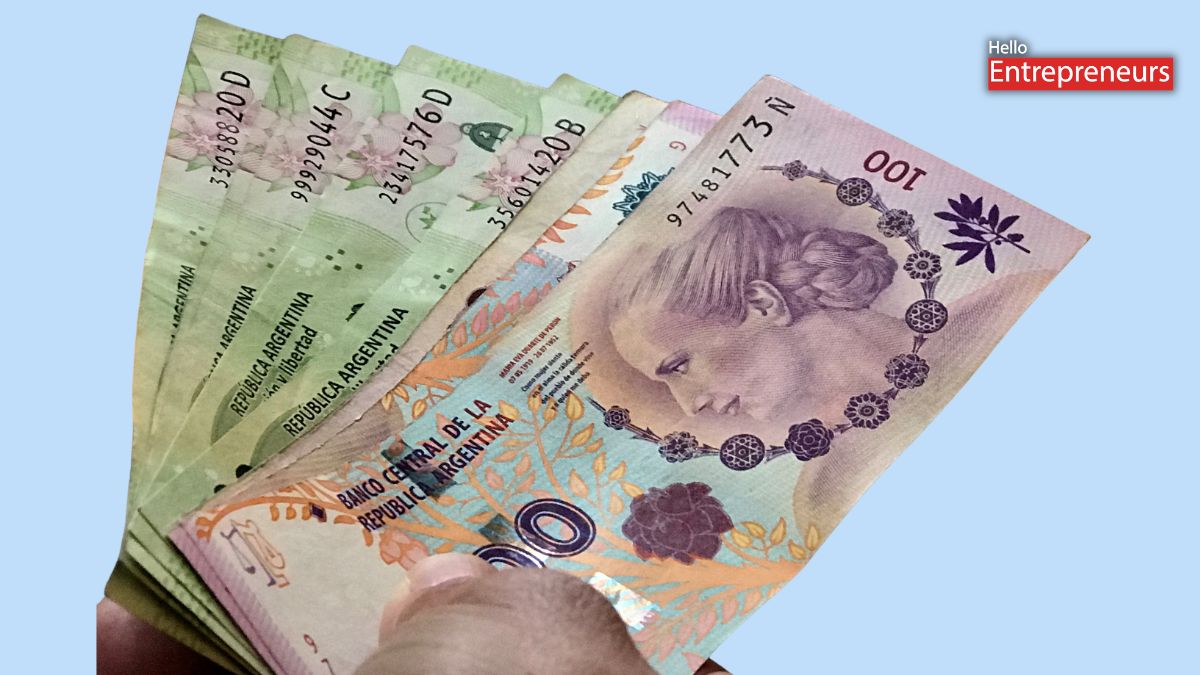
Devaluation since 2000: From the time when the Argentine Peso was pegged to the US Dollar at a strict 1:1, to today, when one US Dollar is worth about 1,500 Argentine Peso (ARS), the country has been facing a multitude of economic challenges due to the sustained depreciation of the peso. Since the year 2000, the ARS has depreciated by almost 99% against the US Dollar.
Reason: Argentina has faced structural fiscal deficits, recurring sovereign debt defaults, and a chronic reliance on the central bank to monetize its public spending. These economic policies have eroded domestic trust in the peso, with many choosing to take their savings out of the country. Additionally, increased domestic tourism spending and price increases during the summer vacation have further depreciated the peso over the years.
Lebanon (Lebanese Pound)
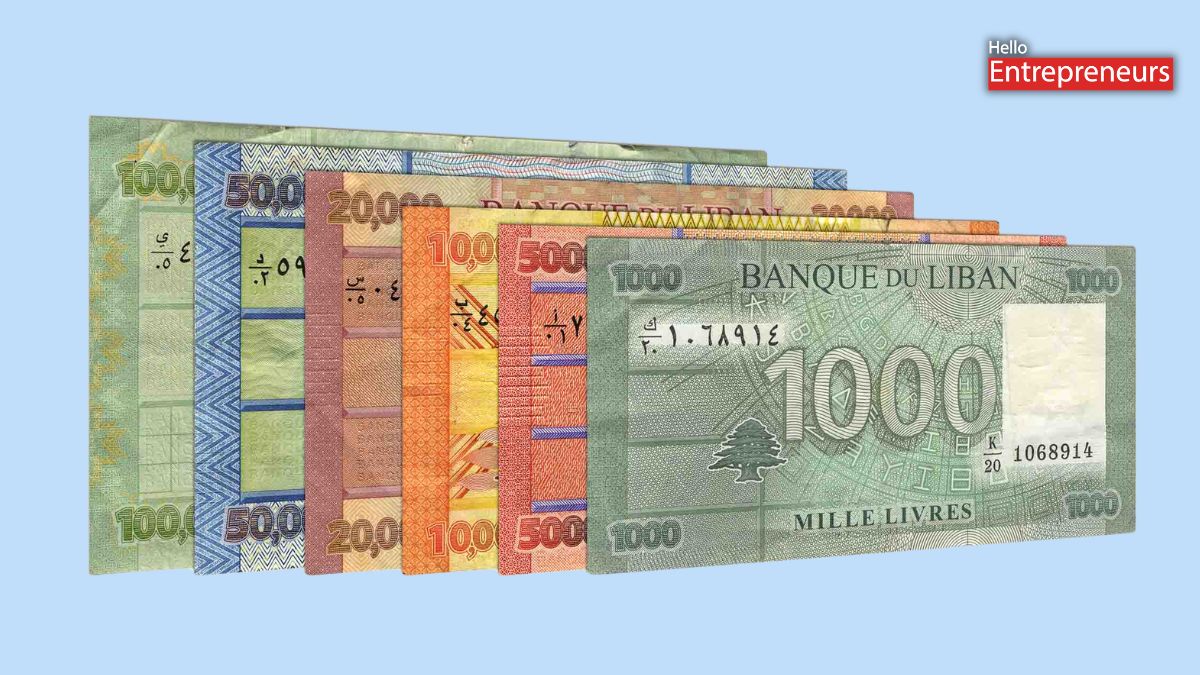
Devaluation since 2000: For over two decades, the Lebanese Pound (LBP) has been pegged to the US Dollar at about 1,507.5 LBP per USD. This peg, maintained from 1997 to 2019, had collapsed entirely following a systemic financial crisis, with the currency getting devalued past 89,500 LBP per USD by 2024-26. This means a devaluation of about 98% of the pegged value.
Reason: Lebanon witnessed a major sovereign default n 2020 after a systemic banking sector failure. Its central bank, the Banque du Liban, had maintained the USD peg by paying high interest rates to attract foreign currency deposits, which experts say, was like a functioning state-backed Ponzi scheme. This capital inflow is slowing due to political gridlock and institutional paralysis. The banking sector experienced a total liquidity freeze, preventing depositors from accessing their foreign currency assets. With the lack of political consensus to implement financial reforms, this has forced the country to run into sustained financial turmoil.
Iran (Iranian Rial)

Devaluation since 2000: Iran used to maintain a unified exchange rate of about 8,193 Iranian Rials (IRR) to the USD. Since then, the currency has dramatically devalued, with the Rial depreciating to 817,500 per USD in 2025, wth an annualized inflation between 36.4% to 42%. By June 2026, the free market rate had gone down to 1,715,000 IRR per USD, effectively devaluing the Rial to over 99% since 2003.
Reason: Oil-rich Iran has faced severe international economic sanctions, affecting its ability to export its oil and frozen its foreign assets. This has caused persistent inflation, capital flight and a parallel market where the dollar is traded over the official import rate. Geopolitical shocks due to the war with the US and Israel have exacerbated the situation with no end in sight for now.
Venezuela (Venezuelan Bolívar)
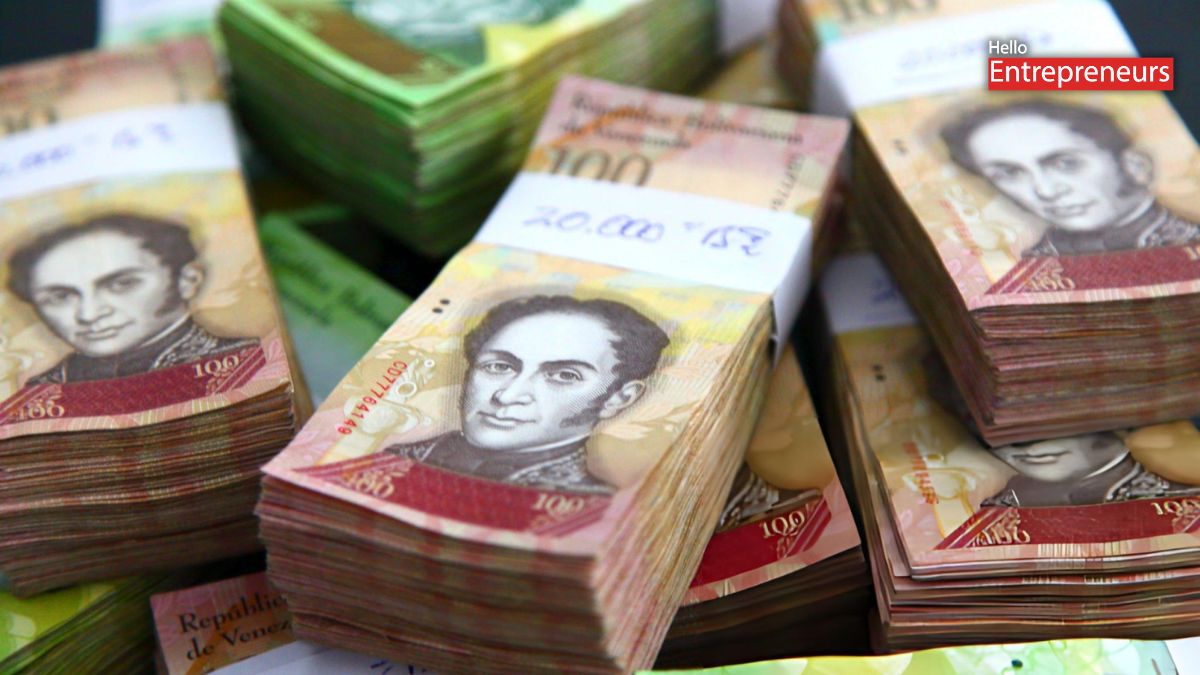
Devaluation since 2000: The Venezuelan Bolivar traded at about 0.65 per USD in January 2000. Over the next two decades, hyperinflation has forced the government to overhaul the currency multiple times, removing 14 zeros across three re-denominations. Despite this, the currency has depreciated by 81.90% from May 2025 to May 2026, with free market rates devaluing it even further.
Reason: Severe economic mismanagement, domestic price controls and the nationalization of private industries have damaged the domestic productive sector. The state-run oil monopoly has experienced a catastrophic drop in production due to a lack of investment. Along with this, the government has engaged in hyper monetization, printing vast sums of money that triggered this hyperinflation, which peaked at 7,205% in 2019. Severe international sanctions have worsened the situation, cutting its oil exports to the rest of the world.
Sudan (Sudanese Pound)
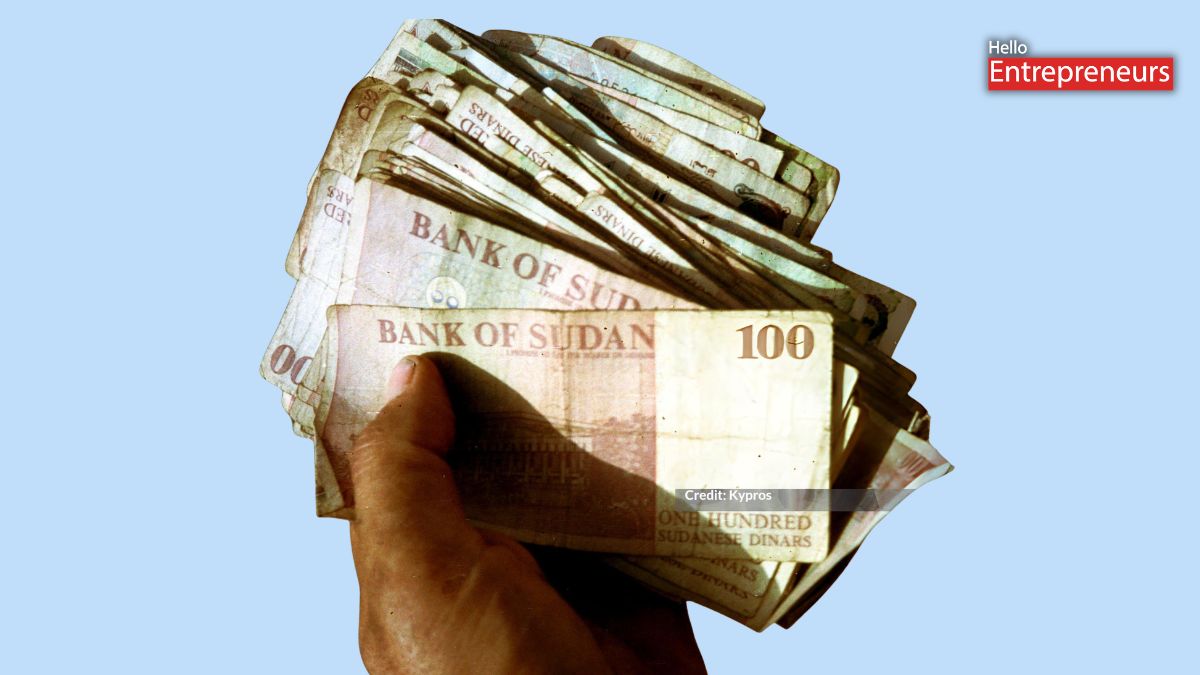
Devaluation since 2000: The Sudanese Pound (SDG) has been steeply devalued since 2000, moving from 55 SDG to an indicative rate of 375.085 SDG per USD in February 2021. The currency’s decline has accelerated dramatically since then, with commercial banks quoting rates of 2,400 SDG per USD while the parallel market rate has depreciated to 3,550 SDG per USD. By June 2026, the parallel rate of the SDG had reached an all time low of 4,400 SDG per USD, representing a near total loss of value since 2000.
Reason: The secession of South Sudan in 2011 resulted in the country losing about 75% of its oil production capacity and about 80% of its foreign exchange resources. This resulted in a chronic shortage of foreign reserves, worsened by long-standing US economic sanctions. The country’s civil war has also caused major supply chain disruptions, causing severe domestic liquidity problems and heavy losses.

