



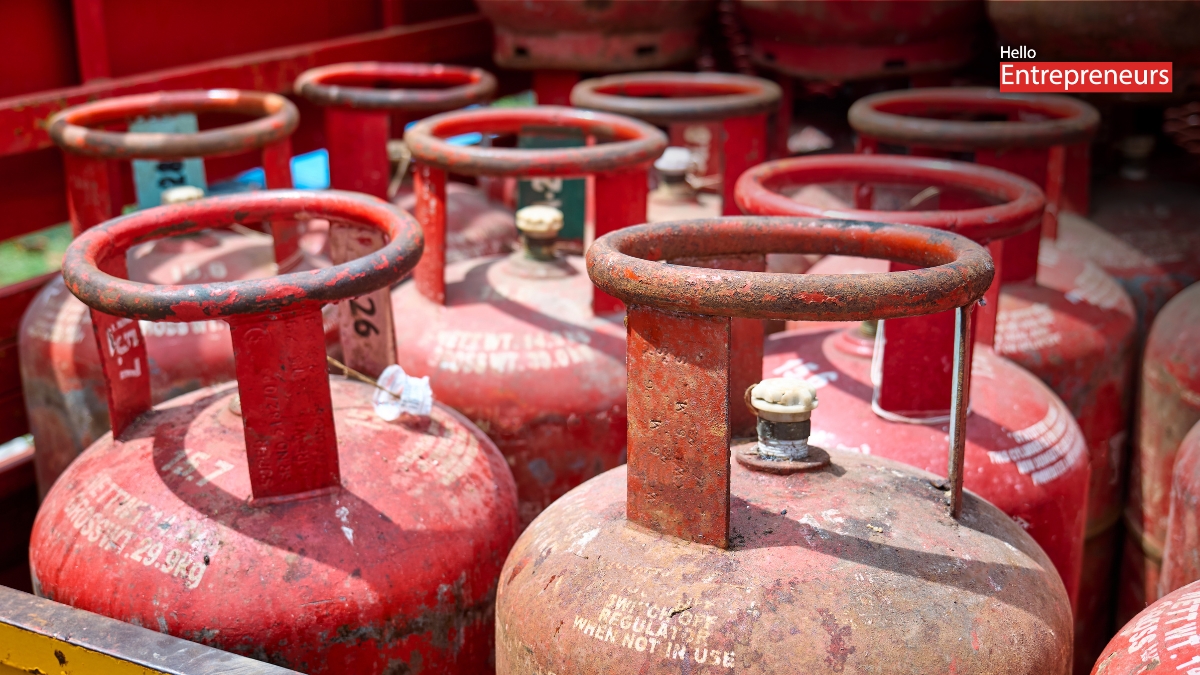
India’s scramble for extra LPG during the recent West Asia conflict left the country with more gas than it knows what to do with. Now state-owned refiners are cutting back production, and oil marketing companies just slashed commercial cylinder prices.
It started when tensions in the Persian Gulf spiked earlier this year. People worried about supply getting choked off at the Strait of Hormuz—a lifeline for much of India’s LPG imports. To play it safe, the government told refiners and OMCs: Buy more, make more, just don’t risk running short.
At its peak, India was importing up to 40,000 tonnes of LPG a day. But back home, people were only using 30,000 to 32,000 tonnes daily. That buffer kept everyone cooking, but when things calmed down faster than anyone guessed, India was stuck with a mountain of leftover LPG.
To secure those supplies, India didn’t just stick with its old suppliers—it turned to the US, which quickly became the country’s biggest source. In June, the US shipped over a million metric tonnes to India, thanks in part to a big supply deal inked in late 2025. But with emergency buying layered on top, imports overshot those promised volumes.
All that extra buying wasn’t cheap. State-run refiners had to pay hefty prices on the global market, but with domestic prices still regulated, they ate the losses. Indian Oil said it was losing ₹617 on every domestic cylinder in May—way up from a loss of ₹171 per cylinder in April.
Now that things have cooled down, the government is dialing it back. On July 1, OMCs cut the price of commercial cylinders by about ₹180. The Petroleum Ministry has told refiners to ease off production, bringing output closer to regular levels—around 40,000 tonnes a day instead of the 52,000 tonnes they were pushing during the crisis.
Commercial allocations are back to normal, and bulk supplies have resumed after being restricted during the peak of uncertainty. The goal: work through those extra stocks without jeopardizing home kitchens.
Analysts say India showed it can protect its energy needs in a crunch—but they also point out the price. Stockpiling shielded consumers, but hit government-backed retailers’ bottom lines.
The upside? This surplus might help keep commercial prices lower and blunt inflation, at least for a while. Plus, India’s supply chain got a little wider, with the US and others in the mix, reducing dependence on the Gulf.
Now the challenge is unwinding all that excess without throwing the market off balance. Everything depends on how fast inventories come down, how much demand picks up, and whether any fresh trouble overseas rattles supplies again.
India’s experience just highlights an old dilemma: when you’re securing energy in a crisis, you pay a price. But when the dust settles, you still have to manage the fallout.

