



Before the dawn of the 21st century, purchasing any product meant visiting the only place you knew the product could be available- the local market- where you’d find whatever you might need. Whenever you needed anything, you gathered your savings, made the trip to the nearest market, find the vendor, inspect the product, haggle for the right price and then buy.
This find-inspect-haggle-buy buying behaviour was more or less constant ever since products and services were valued with money. Then e-commerce changed everything.
Buying anything, except when it has a short shelf life- now never needs any kind of human interaction. Ever since Amazon made buying online an emerging trend, ecommerce has become a complementary, if not dominant- sales medium for brands, especially since you can expand your brand’s reach without scouting for middlemen ready to sell your wares.
Reinventing customer approach
For most brands, the end salesman was the point of contact for everything- from getting the brand to the right doorstep to ensuring their repeat orders- and everything in between. Now, every brand’s evolved digital presence- website, mobile app, social media, User Generated Content- have reshaped the brand’s eyes, ears, voice and personality.
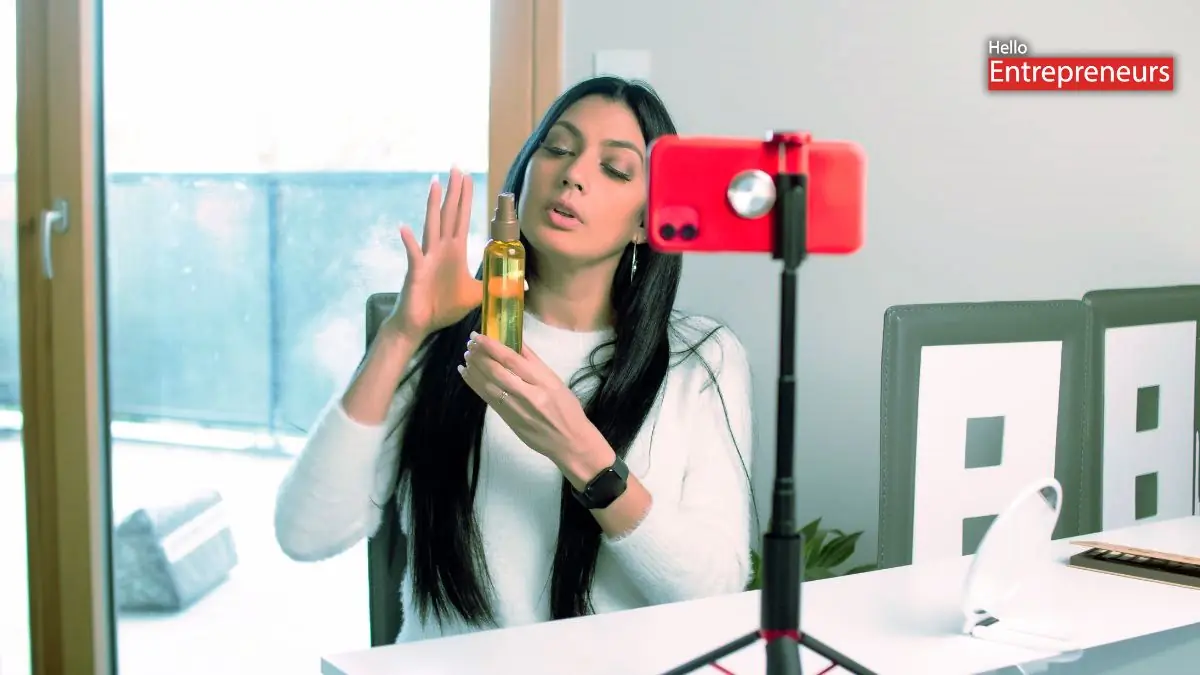
In the last 10-15 years, with mobile phones in every pocket and the democratization of social media platforms have made it possible for any startup with a novel product in China to cater to thousands of orders and inquiries pouring in from California, especially when an influencer they follow endorses its utility.
Even if the product doesn’t meet expectations, the brands know that they can rely on the influencers to understand their customers and their needs, and to align their products to it.
From celebrity endorsers to the girl next door influencer
Before the influencer marketing market grew from practically nothing to almost Rs. 3,600 crore in 2024, only deep-pocketed brands could afford to hire celebrities as their brand endorsers. They didn’t come cheap, and with brands relying on hope and the star’s success to drive sales.
Today, entrepreneurs of all hues- from your roadside pani puri thela to a farmer selling preservative-free jaggery in a hard-to-reach village- now depend on influencers to help drive conversions.
However, things don’t always go to plan, as the success of influencer collaborations depends more on their creativity and consistency than their popularity.
How Influencer marketing works, and what should work
“Influencer marketing is not–and should not be considered–an ATM machine where you put money in and get more money out. It’s brand awareness through direct persona association that leads to top of mind awareness. I can almost guarantee if you plan to run influencer campaigns for a positive ROAS you will fail. You will see a boost in sales, but not enough to offset the investment of influencers of any significant size,” a Reddit user explains in a highly rated discussion.
“Strategically, that means finding a couple of smaller influencers that you can make really solid partnerships with and grow with them. The multiple points of reinforcement over time will lead to a “melt up” of direct sales where you can’t explain or attribute performance to other channels,” he adds in the discussion that discussed how influencers can help rake in the moolah.
For small brands, such collaborations are all it takes to help their brands grow exponentially, especially if you use the right influencer who can sell to the audience that matters.
“I used an influencer who really fit my demographic. It was a great investment for me. ROI 10x+. I have not found another that I would use so far. The person I used really just felt like a normal person. They weren’t the same old curated beautiful person taking pictures, and they didn’t sell my service like every other influencer. It felt natural and sincere. The other thing I noticed was his interaction and impressions vs the number of followers he had. I see pages with 10x the number of followers that don’t get anywhere near the engagement he does. I don’t care how many followers someone has, I want the engagement. I have used him a number of times now and have worked out an exclusivity deal with him to not work with any other people in my specific niche in my industry,” explains another user.
Changing preferences, changing allocations
With Gen Z and Millennials focusing more on virtual interactions than intimate, face-to-face communication, most brands now focus their marketing energies on scouting for the right influencer and designing the ideal campaign that the audience can relate to, as other mediums- including highly targeted media ads, are increasingly becoming too intrusive and evoke annoyance rather than interest.
Currently, most brands allocate about 15-25% of their budgets for influencer marketing, with beauty, fashion and travel niches allocating more than 50%, as they depend on impulsive, entertaining posts to drive engagement. Even B2B brands, which deal in products that the youth don’t care about- also spend between 5-25% in influencer marketing, primarily using Instagram and Facebook as a tool to showcase the brand to prospective hires, or to drive familiarity for them.
Evolving roles of marketing, sales
People may have a fickle memory- they may forget about the influencer after completing the purchase- the role of a salesman has remained the same- even as brands depend on them, customers admire them, and they need to find a way to meet expectations, both for themselves as well as for their target audience.

