



After two decades of dominating global manufacturing, China’s status as the ‘factory of the world’ is being reviewed, as manufacturers are looking to employ a ‘China+1’ strategy with an aim to address supply chain risks. With a large consumer base, strong labour force and large pool of engineering talent, India has emerged as one of the leading destinations for global manufacturing capacity.
Despite competition from emerging economies, India has managed to secure large investments in technology- intensive manufacturing capacities, strengthened by government incentives, resource availability and market access. Amongst them, these sectors have defined India’s enhanced role in global supply chains, becoming the ‘+1’ for the ‘China+1’ supply chain.
Electronics and Electronics Manufacturing Services (EMS)
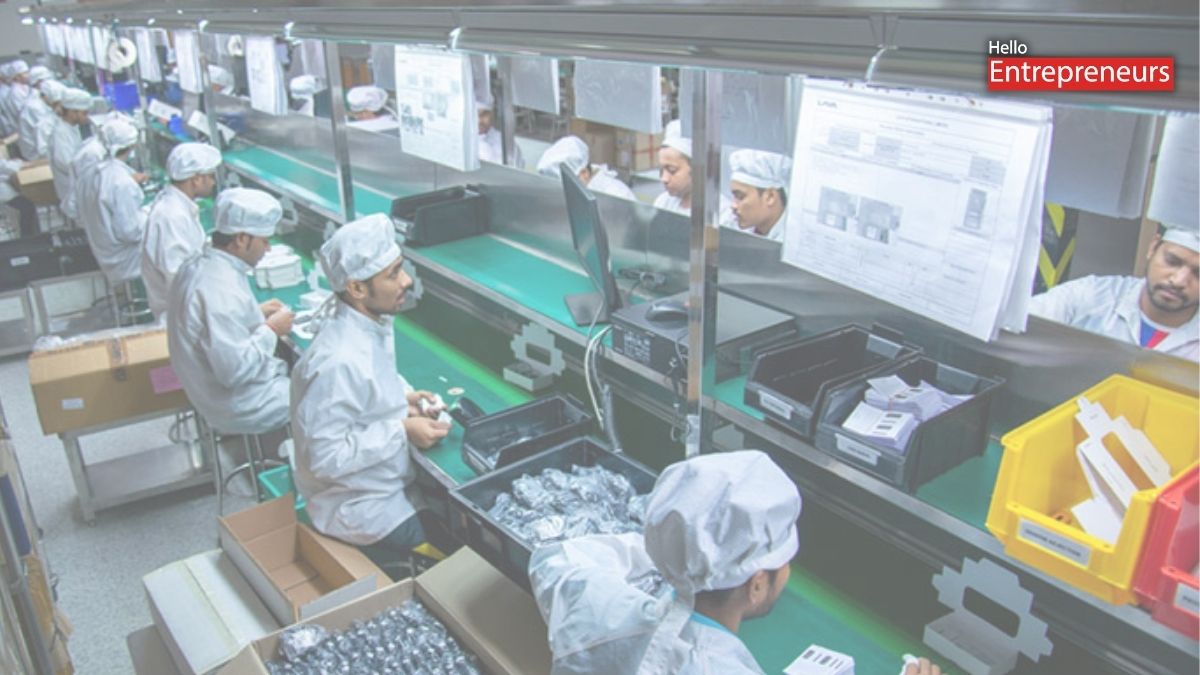
It started with Apple assembling almost 25% of its iPhones in India, and soon, a host of mobile phone assembling and component manufacturing companies set up shop in India as they looked to make India an alternative production hub for smartphones.
Over the years, India has captured about 8% of the global Electronics Manufacturing Services (EMS) market share, with domestic contract manufacturers like Tata Electronics, Dixon Technologies, Amber Enterprises and Kaynes Technologies assembling phones, components and other consumer electronics for both domestic and international markets.
The Production Linked Incentive (PLI) scheme has been particularly helpful in attracting investments in the sector, helping global contract manufacturers achieve economies of scale and boost local component sourcing.
Automotive Components and EV Supply Chains
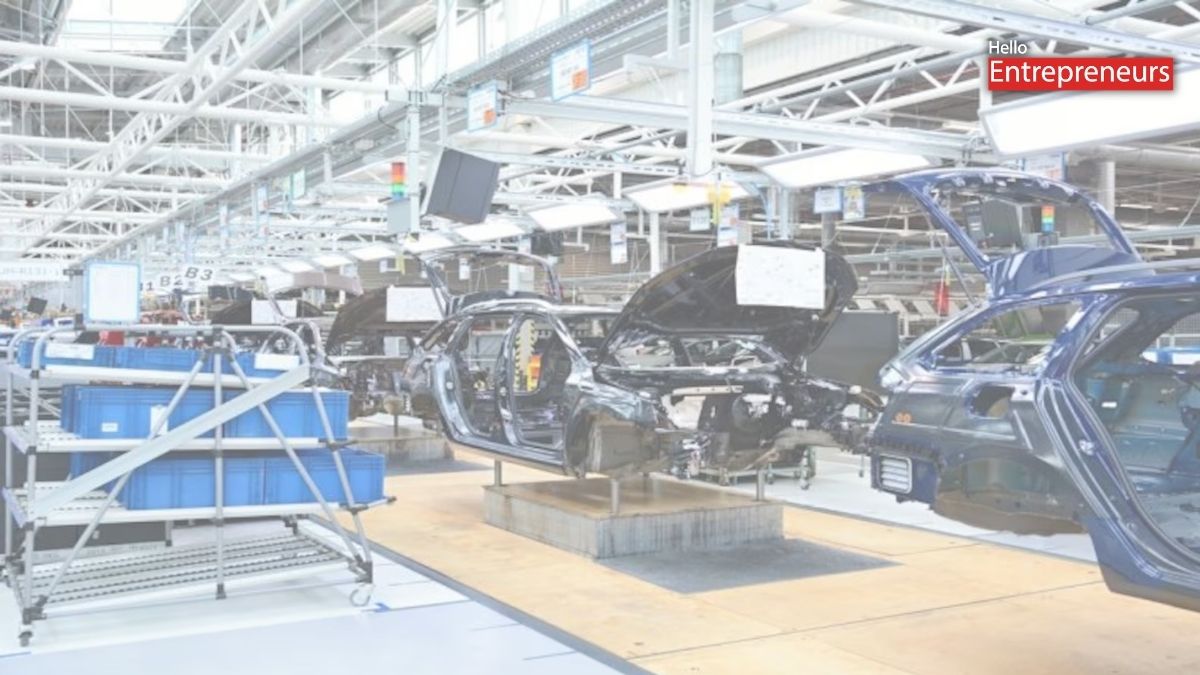
India’s automotive component industry has leveraged its strong domestic foundation as the world’s third largest automotive market to build an export manufacturing hub catering to Tier 1 global OEMs looking to diversify beyond China. Auto component exports have today reached $21.2 billion, built on core competencies in precision machining, iron and aluminum casting, and complex subassembly engineering.
Companies like Bharat Forge, Minda Corporation and Tata Elxsi have been expanding their presence in the global auto component supply chain even as they enhance their manufacturing and technological capacities locally. This, along with their cost-effective alternatives to Chinese manufacturing suppliers, allows them to export auto components for both internal combustion engine (ICE) and Electric Vehicles (EV) globally.
Aerospace Structures and Precision Tooling
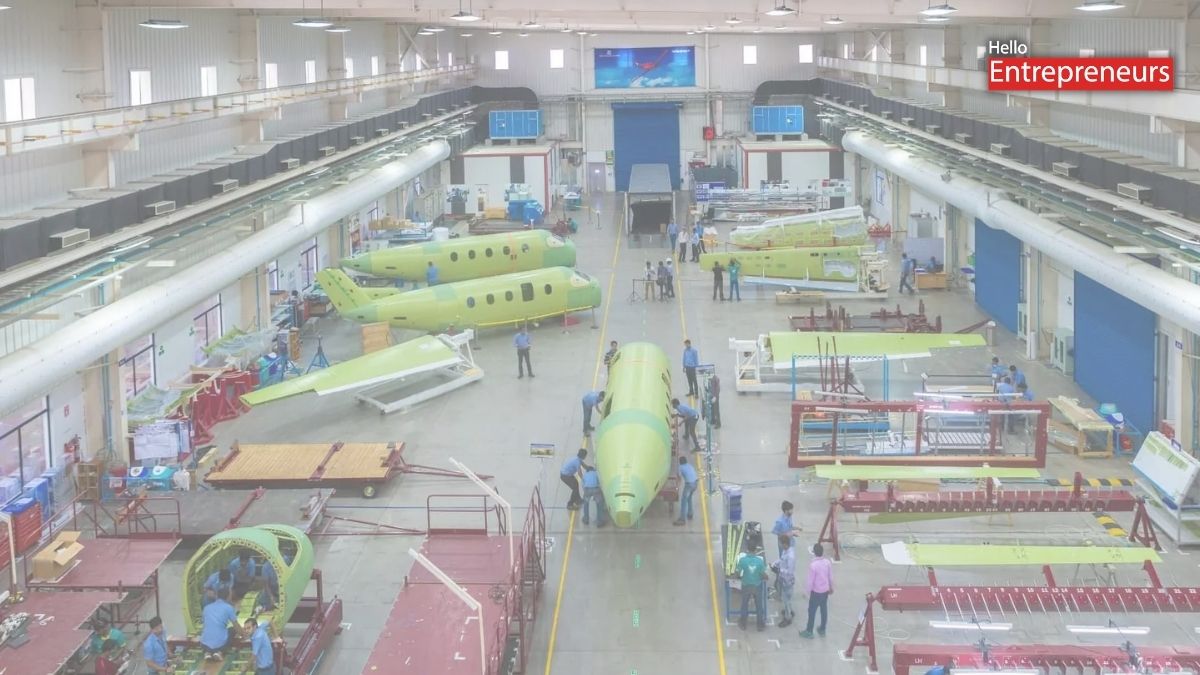
Under the ‘China+1’ strategy, global aerospace giants Boeing and Airbus have increased procurement of structural components, metallic detail parts, composite fairings and engine sub assemblies from Indian manufacturers. Tata Advanced Systems Limited (TASL), Mahindra Aesostructures, Dynamatic Technologies and Aequs supply crucial aerostructures, composite metallic components, fuselages and assemblies to Airbus and Boeing. Overall, over $2 billion worth of components and services are sourced from India, accounting for about 1-2% of the global aerospace manufacturing supply chain.
With a large pool of specialized engineering talent capable of executing complex tool designs and advanced CNC manufacturing capabilities, Indian suppliers have proved their capabilities in meeting the highly technical AS9100 standards for the aerospace and precision tooling industry.
Pharmaceuticals and Active Pharmaceutical Ingredients (APIs)
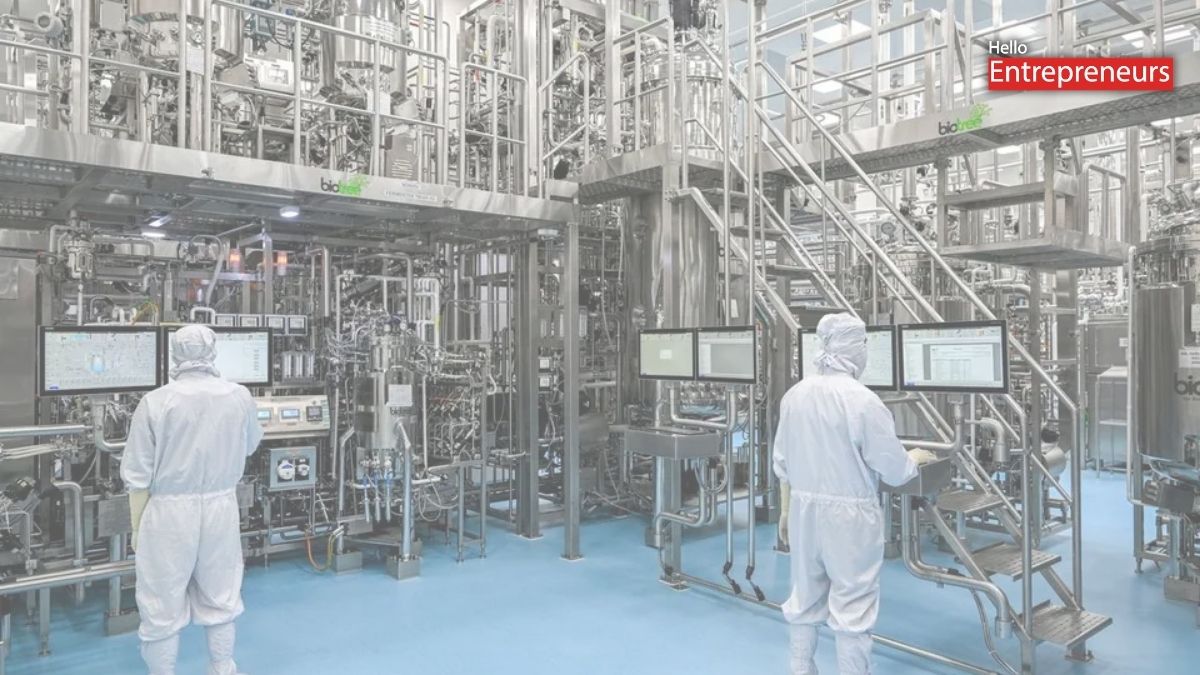
India’s low cost, high volume pharmaceutical industry has occupied a central role in global healthcare supply chains, however, it has remained dependent on Chinese imports for Key Starting Materials (KSMs) and Active Pharmaceutical Ingredients (APIs), crucial for manufacturing medicines. Currently, India accounts for about 20% of the global pharmaceutical supply chain, with its share in API manufacturing reaching 8% lately.
Under the ‘China+1’ realignment, both domestic pharmaceutical leaders and international companies are pursing backward integration in manufacturing APIs in India itself. Aurobindo Pharma, Sun Pharma, Dr. Reddy’s Laboratories, and Lupin have been expanding domestic API synthesis infrastructure and investing in advanced fermentation manufacturing platforms.
Supported by government incentives and the PLI scheme, Indian pharmaceutical companies are expanding into complex generics, peptide synthesis and biosimilar developments to boost domestic production and enhance India’s role in the pharmaceutical supply chain.
Specialty Steel, Metallurgy, and Advanced Metals
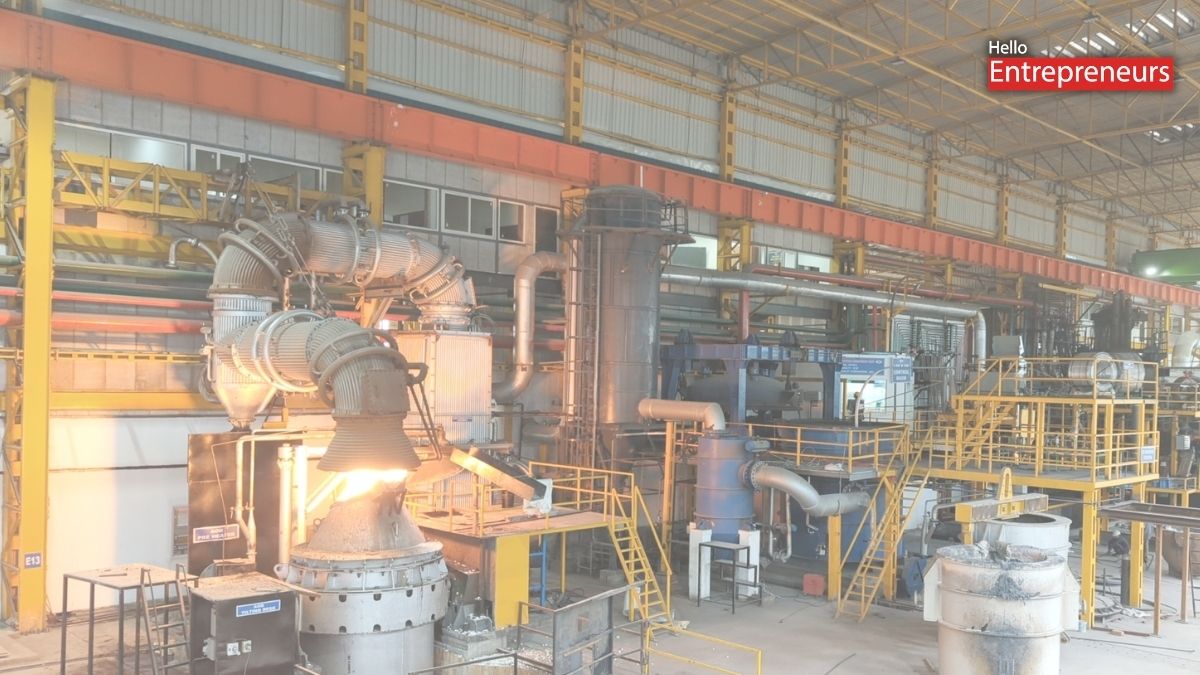
China has historically led global steel manufacturing, but has seen significant challenges with international trade barriers and domestic decarbonization mandates and other operational shifts. For the global markets, India now offers specialty steel through value-added products like cold-rolled grain-oriented (CRGO) electrical steel, high-tensile auto-grade alloys, corrosion-resistant rebar, and specialized aluminum and titanium forgings. Supported by the PLI scheme for steel, steelmakers like JSW Steel, AM/NS and Tata Steel are increasingly integrating raw material processing to take control of the downstream value chain. With this capacity, domestic steelmakers are able to supply highly technical products to aerospace structures and automotive component ecosystems, creating an integrated manufacturing chain not dependent on imports. Today, India accounts for about $22.1 billion of global specialty steel market share, while it offers a credible alternative to traditional suppliers like Japan and South Korea in the advanced material sector.

