



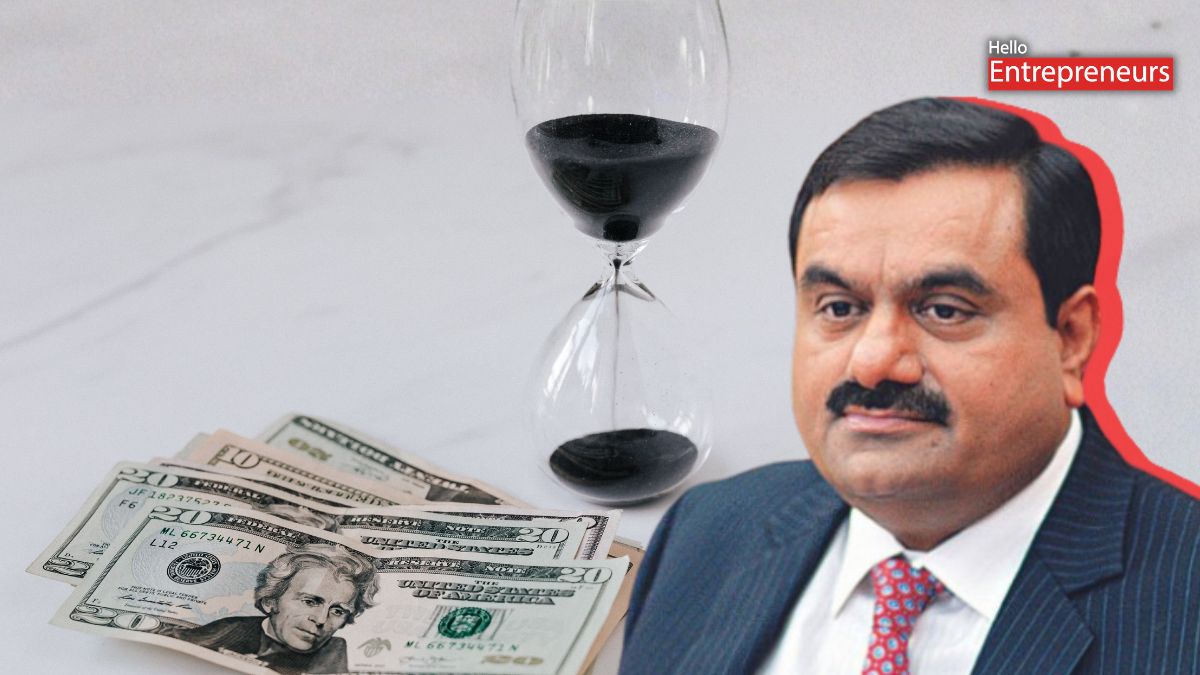
Mumbai: After leapfrogging established industrialists and expanding the Adani Group to new levels, Chairman Gautam Adani has moved towards restructuring the group’s management to ensure quick decision-making and boost operational efficiencies.
“As organisations grow larger, decisions become slower, and things take longer to move from one level to another. We don’t want this to happen.” Gautam Adani said to his employees on International Labour Day.
“When layers are reduced, decisions are made faster, work speed increases, and the entire organisation is filled with new energy,” he added.
This comes at a time when the Adani Group has grown exponentially in the past decade, on the back of acquisitions and partnerships. Over this time, Gautam Adani has ventured into cement, real estate, airport management, defence and data centers, adding to its flagship ports and SEZ businesses.
But all of this has come at an inexcusable cost- $30 billion in debt. Even though the company has been working towards paying it back, this debt will continue to become a drag on the company’s balance sheet for a long time.
This has already meant losses of ₹221 crore for the quarter ended March 2026, even as the company has chosen to exit its FMCG business by selling its stake in Adani Wilmar to its JV partner.
The company has been working to expand its flagship Adani Enterprises (AEL) as the ‘corporate incubator’ of the group, where it can guide its group companies until they reach cash-flow stability and growth prospects.
Despite the promises, Gautam Adani continues to face numerous challenges, including challenges with commissioning its Kutch copper plant and the lawsuits against it due to allegations of bribery.
Moving ahead, the conglomerate has to find ways to address its debt servicing issues, ensuring enough EBITDA to cover high interest costs. With almost half of its debt originating from abroad, this restructuring has to address strategic decision-making to meet expectations, even as it is looking to raise an additional ₹15,000 crore by selling shares to meet long-term expansion goals.
For Adani’s creditors, this overhaul does not mean much; they just need to understand how they will pay back the money borrowed and hope that Gautam Adani doesn’t turn into the next Byju Raveendran or Vijay Mallya.

