



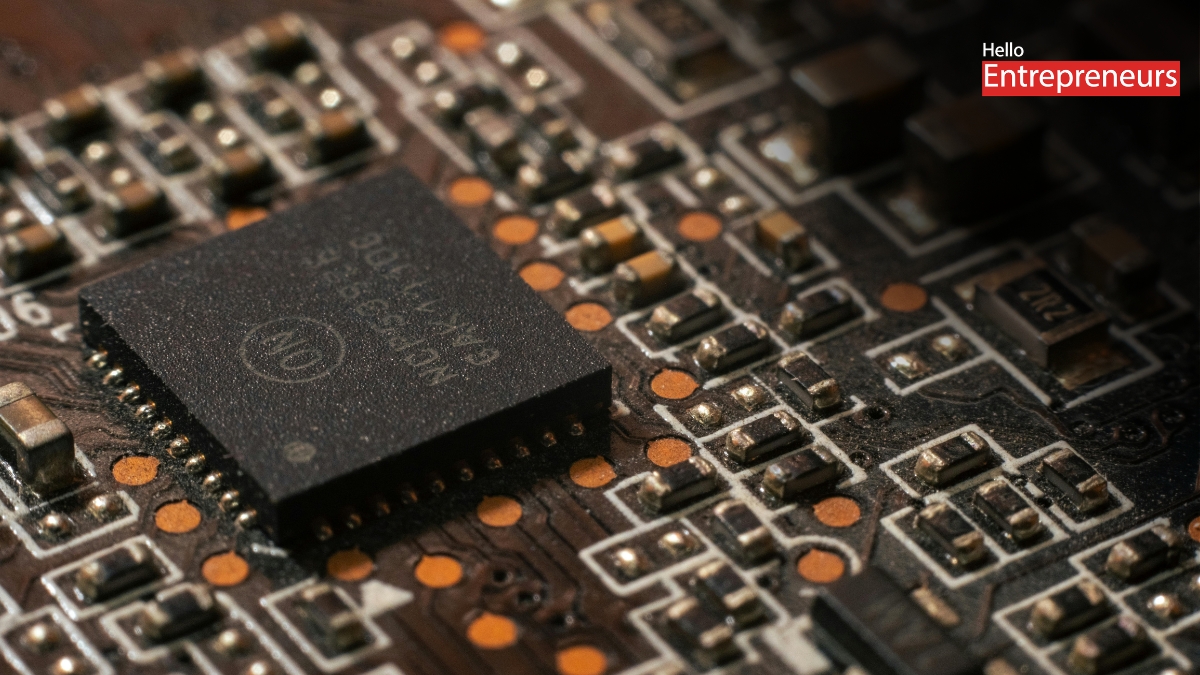
Gandhinagar: The Gujarat government just approved 12-hour shifts at Micron Semiconductor’s new assembly, test, marking, and packaging plant in Sanand. What does that mean? Basically, the plant can run longer shifts each day, as long as no one works more than 48 hours a week—still sticking to the legal limit.
This is the first time something like this has happened in Gujarat. The government gave the green light under the Occupational Safety, Health and Working Conditions (OSH) Code, 2020. The timing lines up nicely, since Micron’s Sanand plant just started commercial production and Gujarat is pushing hard to become a top spot for chip manufacturing.
There are rules, though: only adult employees who say yes in writing can be scheduled for these 12-hour shifts. Nobody works more than 48 hours in a week, and any extra days are considered paid leave. Even including rest breaks, the workday can’t go past 12 hours.
Micron needs to stick to all rest-break and worker safety rules under the state’s OSH Code, along with the new Gujarat rules coming in 2025. They also have to keep special records for anyone working these extended shifts and follow any extra rules the state safety inspector comes up with.
If the company breaks any of these rules, the state can cancel this approval and take legal action. Labour Minister Kunvarji Bavaliya said the decision was all about supporting economic growth, creating jobs, and boosting Gujarat’s industrial scene—without moving the needle on the maximum weekly working hours.
Micron’s new facility actually started up in February 2026. That’s when commercial production began and the first made-in-India memory modules started shipping out. It’s a big deal: this was the first project cleared under the India Semiconductor Mission, and it’s worth over ₹22,500 crore.
Here’s the gist: the factory takes advanced DRAM and NAND wafers from Micron’s global network and turns them into finished memory and storage products. These chips end up in data centers, AI systems, phones—pretty much anywhere you find technology.
Once it’s running at full tilt, the Sanand plant should have about 500,000 square feet of cleanroom space—making it one of the world’s biggest. Micron expects to assemble and test tens of millions of chips in 2026, and from 2027, the annual output should climb into the hundreds of millions.
Why the longer shifts? Well, chip plants pretty much can’t stop. Their highly automated machines and scrupulously clean rooms need to run around the clock. Fewer shift changes means fewer people have to go in and out of cleanrooms, and the equipment stays running smoothly, all without pushing people past 48 hours a week.
This rule change isn’t just about keeping the machines humming; Gujarat says they want to make doing business easier, especially for critical industries. But, because the shifts are longer, employees have to sign up voluntarily, and the company has to keep careful records so nobody’s forced into it.
Gujarat has big plans. It was the first state in India with a dedicated semiconductor policy and has put Sanand and Dholera on the map for tech and manufacturing. So far, six big projects have gotten the go-ahead under the India Semiconductor Mission—nearly ₹1.4 lakh crore invested, aiming to generate about 50,000 direct and indirect jobs.
Micron’s plant isn’t just a factory; it’s turning into a hub for the whole chipmaking ecosystem—think suppliers, logistics, engineering, research, and training centers. Prime Minister Narendra Modi pointed to the facility as a sign that India is ready to move beyond software and carve out a place in the global hardware and semiconductor supply chain.
With this plant up and running, the move to allow longer daily shifts is all about keeping pace with what the industry needs—without letting the total time at work creep up past the legal weekly limit. The state’s trying to balance the demands of high-tech manufacturing with worker protections, and so far, everyone’s watching how this plays out.

