



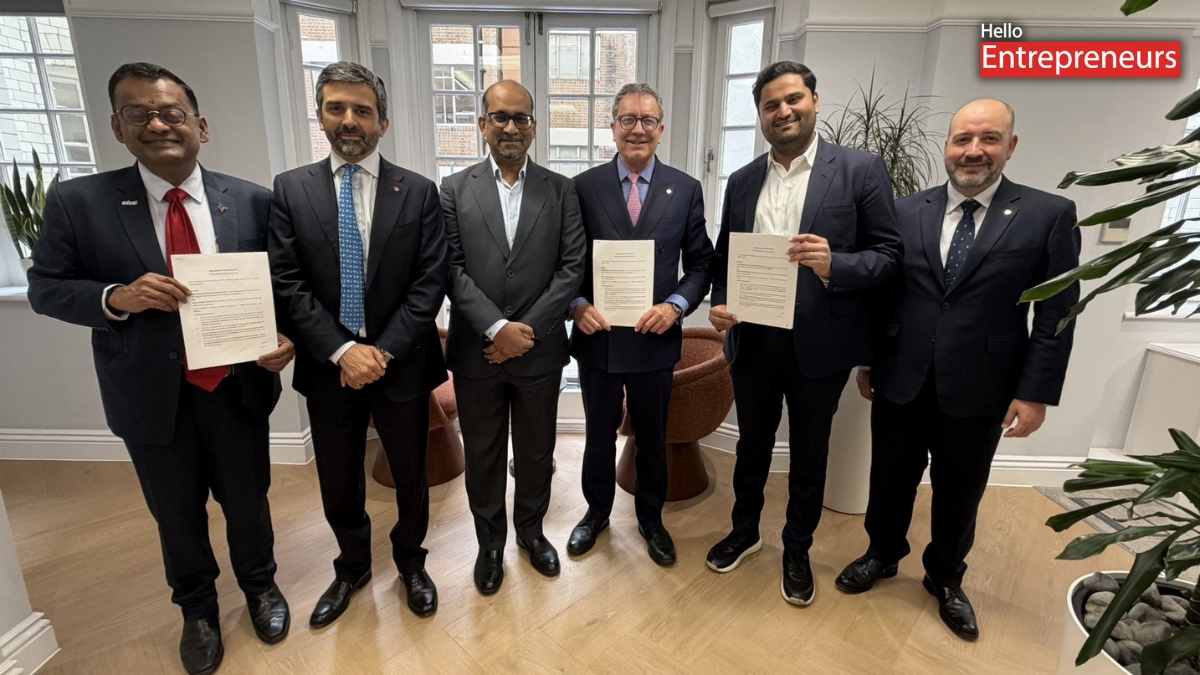
New Delhi: Kutch Copper Ltd, India’s Adani Group, has entered in a memorandum of understanding agreement with state-run Codelco for exploring the copper project Kaburkaala in the Calama copper belt of northern Chile. Signing ceremony was held at LME Week 2026 in London, in the presence of Jeet Adani (CEO of Adani Natural Resources), Vinay Prakash (CEO of Adani Natural Resources) and Codelco Chairman Bernardo Fontaine. The news was issued on November 12 on which Adani group stocks were up.
Mine to smelter
The bet for Adani is to be able to be in control of the entire copper chain. A consistent supply of concentrate is required for the group’s smelting plant at Mundra in the State of Gujarat and Adani will be financing the project, which could be a long-term supplier of concentrate for the Mundra smelter, Codelco said in a statement. The upstream ownership of a stake is the oldest solution to avoid the risks of price fluctuations and supply shortages for a smelter. The connection is to make the supply chain more resilient between Chilean copper and Mundra, the company states.
Why Chile
India, however, does not have much copper ore, which is the primary reason for Adani to go outside India. Domestic mines can not match the scale of feeding a smelter like Mundra; and demand is rising as power networks are expanded, renewable energy capacity is expanded, EVs and factories are being built. Calama is one of Chile’s recognized districts and Chile is one of the largest copper producers in the world. Codelco has geological expertise and an extensive history of activity in the country. Adani brings capital investment, technology and ability in project execution, with large scale activities. The two firms have a history, too. Codelco last year agreed to a partnership, and they had discussed several projects before they selected Kaburkaala.
What the deal does not yet guarantee
The warning here is very clear. MoU is not a supply contract. It defines the critical terms of commerce for a potential collaboration, but isn’t a definitive agreement. Exploration can fail. Not all projects are mines and those that are can take years and significant investment to produce. None of Mundra’s tonnage has been guaranteed, and there is no price or delivery date available. So far, Adani has got the right to find out and what it finds, will determine whether the supply story will go through.
There is an added twist for Chile. Reports from local sources indicate that the plan encompasses three projects in the Sierra Gorda and Diego de Almagro districts, whereas reports from Indian sources focus on the project at Kaburkaala. As the discussion proceeds the scope’s interconnections will be important.
Does it ease Mundra’s risk?
In part, and only as time goes on. Raw material is the weak side of the smelter. Concentrate prices get driven up when there is not enough concentrate to go around, and buyers are bidding for it on the open market, which is something that smelters benefit from. A source with knowledge of the matter tells AFP that, even a far out one, will give Adani room to manoeuvre and a reliever. Nevertheless, the benefit is conditioned on the outcomes of exploration, Chilean permitting and politics, and concentrate shipping freight costs to the Pacific and Indian oceans. Mundra will continue to purchase a lot of its feed from outside traders and miners until Kaburkaala mines the ore.
Jeet Adani’s bet
The signing also ensures that the Jeet Adani, a director of Kutch Copper, is in the spotlight abroad. The group is best known for ports, power and airports and overseas minerals could be a major business for next generation. Copper, and then perhaps lithium and other critical minerals, would be in line with the logic of providing energy transition assets under the ownership of Adani or associated companies in India. The company has never mined in other jurisdictions—it’s not clear whether it can do so as it has done it at home.
Bigger than one company
The agreement could be about more than Adani. The coverage of the press portrays it as India’s effort to meet its requirement for resource security and Chile has its own reasons to need Asian buyers and investors. If the relationship is successful, other Indian companies might join Adani in Chilean mines and both governments would gain a greater sense of partnership to strengthen trade and investment relations. A stallout will serve as a reminder that critical-mineral items are simpler to announce than to deliver.
So far, investors have been pleased with the announcement. The difficulty with the harder test is when the results of drilling arrive.

