



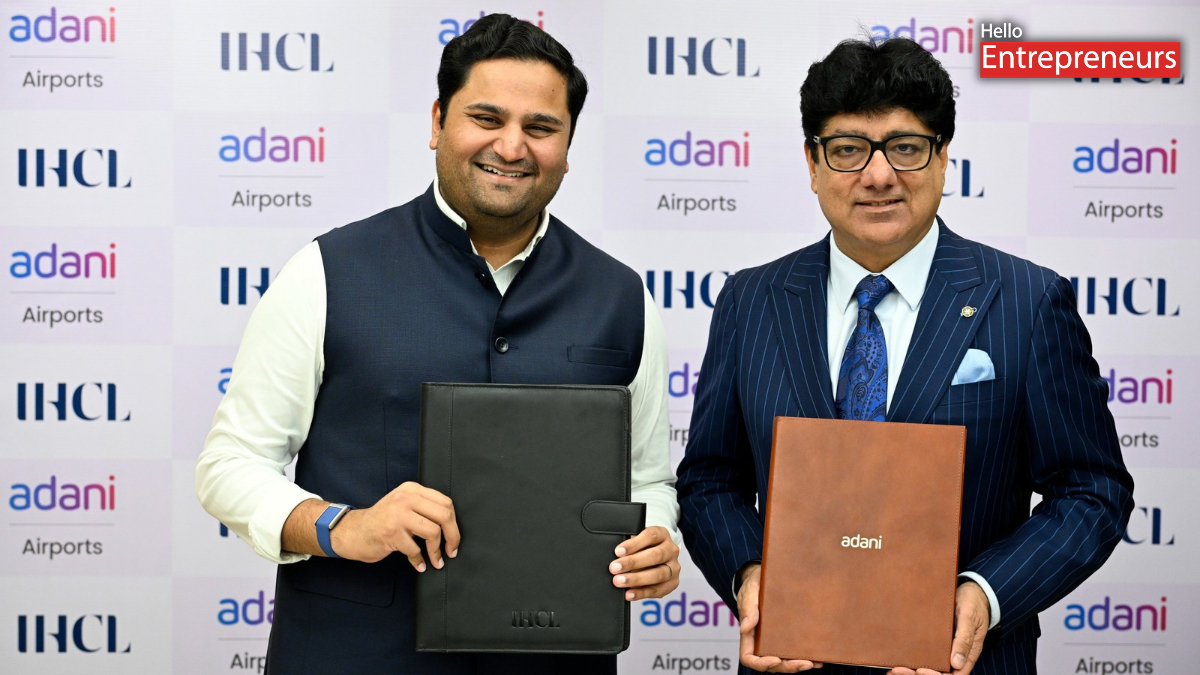
New Delhi, October 30: Indian Hotels Company Limited (IHCL) of the Tata Group has announced a collaboration with Adani Airport Holdings for constructing eight hotels with over 2,000 rooms around airports in Mumbai, Ahmedabad, Lucknow, and Guwahati. The hotels are to be branded with IHCL’s Taj, Vivanta, Gateway and Ginger brand. The properties will be developed by Adani and will be managed by IHCL. The majority are scheduled to open in 3 – 4 years.
Adani is building airport cities, not just airports
The transaction is in keeping with a strategy that Adani has been pushing for a long time. Plans are underway to spend over ₹20,000 crore on Airport City development of hotels and retail/commercial area at six airports, the company has announced. The first phase spans over 655 acres, with about 22 million square feet of mixed-use development planned.
In this model the terminal is just the anchor. Hotels, offices, malls and transport links grow around it, making the ground around a runway not only carve up money from flights, but also money from other means. Hotels are the simplest aspect to begin with, since visitors require a bed prior to obtaining anything else.
Why Tata?
Adani has already signed hotel deals with others. In May, it inked a five hotel pact with IHG Hotels & Resorts, bringing in nearly 1,500 keys. With IHCL, it now has a second big operator, and a big one with a clear advantage.
Taj is one of the most popular names of hotel chains in India while the Ginger is a popular budget chain. The four brands together are luxury to upscale to mid-market to economy, meaning that one partner can be used to fill all of the price lines in an airport district. A capable adult is available for an overnight stay for a transit passenger and a business traveller who has an overnight layover. It’s also an asset-light deal for IHCL. Adani is responsible for constructing the hotels and IHCL makes money from running them.
The new battleground for hotel chains
In the early days, airport hotels were an afterthought, used by early flights and cancelled flights. This is changing with increasing traffic and the big companies bidding each other up a notch for good spots. A chain that gets a site early and close to airports is difficult to knock down, as there’s limited land around airports that is controlled by the operator. IHG and IHCL both have an agreement with the country’s biggest private airport operator and other chains will likely wish to secure such access.
What it could mean for Ahmedabad, Lucknow and Guwahati
Three cities are expanding markets with a few brands closing hotels in close proximity to their airports. Additional bedrooms might boost business travel and facilitate hosting conferences and weddings. They might also generate employment opportunities in the building, accommodation, catering and transport sectors.
The city of Guwahati may benefit most in terms of exposure. With its indoor greenery, wooden accents, and touches of Indian design, its new terminal has garnered attention on the web, and many users have expressed they are proud of it. A good hotel in the adjacent city would better position the city as a gateway to the Northeast. This will only be known after the hotels open, if room rates and demand will support all of it.
Who actually benefits?
In the case of Adani and IHCL, it’s clear who’s the winner, and they each have a different take. Adani makes a higher profit on land and passenger fare. IHCL organically expands its asset base without significant capital investments. This will give more options for travelers, but may drive up the prices in the airport area.
Local businesses stand to gain from more visitors, and cities from the jobs and tax revenue. The dangers are well known. Projects may go over schedule and rooms that are scheduled today could be delivered in a different market than predicted. The plans for the airport city have also been under a microscope in recent years in the wider interests of Adani’s business and investors will be closely watching the funding strategy.
The bottom line
The partnership reflects the new mindset of Indian infrastructure companies towards airports as the hub of a commercial district and not just a passing-through place. If the eight hotels arrive on time, the idea will be put to the test in four cities that boast very different economies.

