



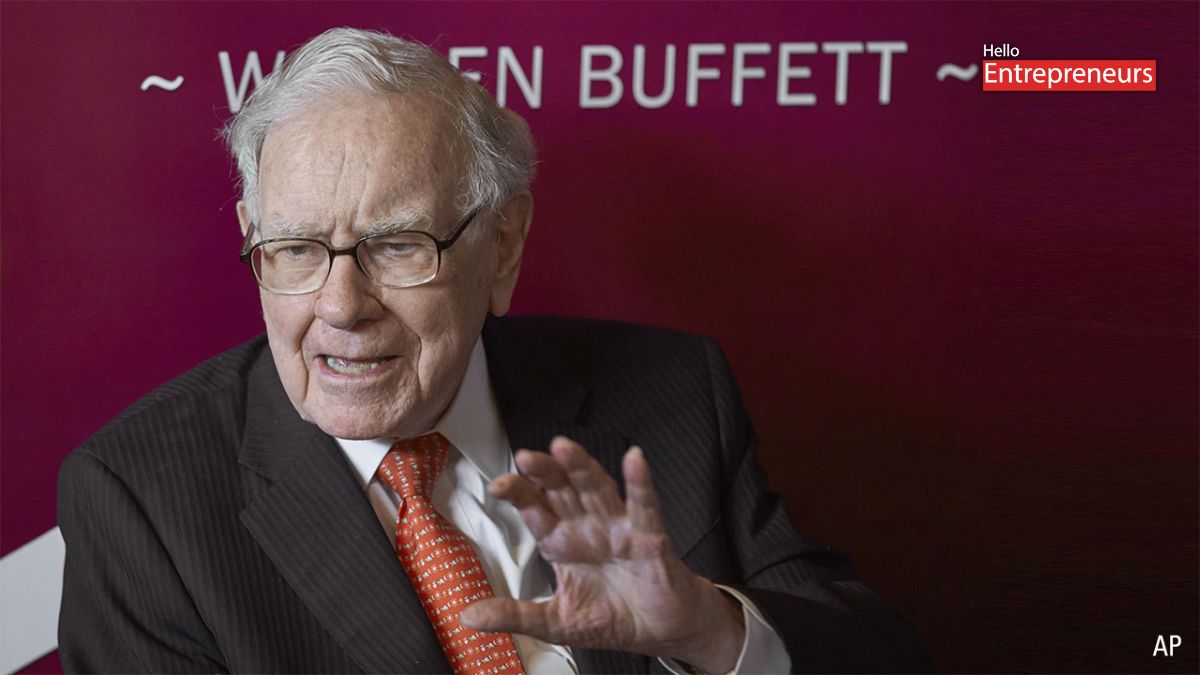
New Delhi: Warren Buffett’s long-term plan to give away nearly all of his wealth is drawing renewed attention as Berkshire Hathaway enters a new leadership era following the transition of the company’s chief executive role to Greg Abel.
Buffett, one of the world’s most successful investors, built Berkshire Hathaway from a struggling textile business into a global conglomerate valued at more than $1 trillion. Over nearly six decades, he turned the company into a major owner of businesses across insurance, railways, energy, manufacturing and consumer products.
Berkshire’s portfolio includes companies such as GEICO, BNSF Railway, Dairy Queen and several major industrial businesses. The company also holds investments in large listed firms, although its investment portfolio has changed in recent years. At the start of the new leadership phase, Berkshire held around $381.7 billion in cash and short-term investments, giving the company significant financial strength.
While Greg Abel has taken over as chief executive, Buffett continues to serve as chairman and remains involved in the company. The transition is being closely watched because Buffett’s investment decisions and annual shareholder meetings made him one of the most influential figures in global finance.
At the same time, Buffett’s personal wealth-transfer plan has become an important part of the discussion around his legacy. He has repeatedly said that more than 99% of his wealth will eventually be given to charitable causes. According to Forbes, Buffett’s fortune was estimated at more than $145 billion in 2026.
Buffett has already donated a large portion of his Berkshire shares, mainly through foundations connected to philanthropy, healthcare, education and social development. His approach is different from simply creating a permanent family-controlled wealth structure. Instead, he has argued that large fortunes should be returned to society and used to address important problems.
His wealth-transfer plan has also changed over time. Buffett has said that after his death, his remaining charitable assets will be managed through a structure involving his children. The goal is to ensure that the money is distributed responsibly and used within a limited period rather than remaining under permanent control.
The plan reflects Buffett’s wider belief that wealth should create long-term public value. It also raises questions about how billionaires should manage large fortunes and whether private philanthropy can play a meaningful role in solving social challenges.
Meanwhile, Greg Abel faces the task of protecting Berkshire’s culture while making decisions in a changing global economy. The company’s size, large cash reserves and wide range of businesses provide stability, but investors will closely watch how capital is used in the coming years.