



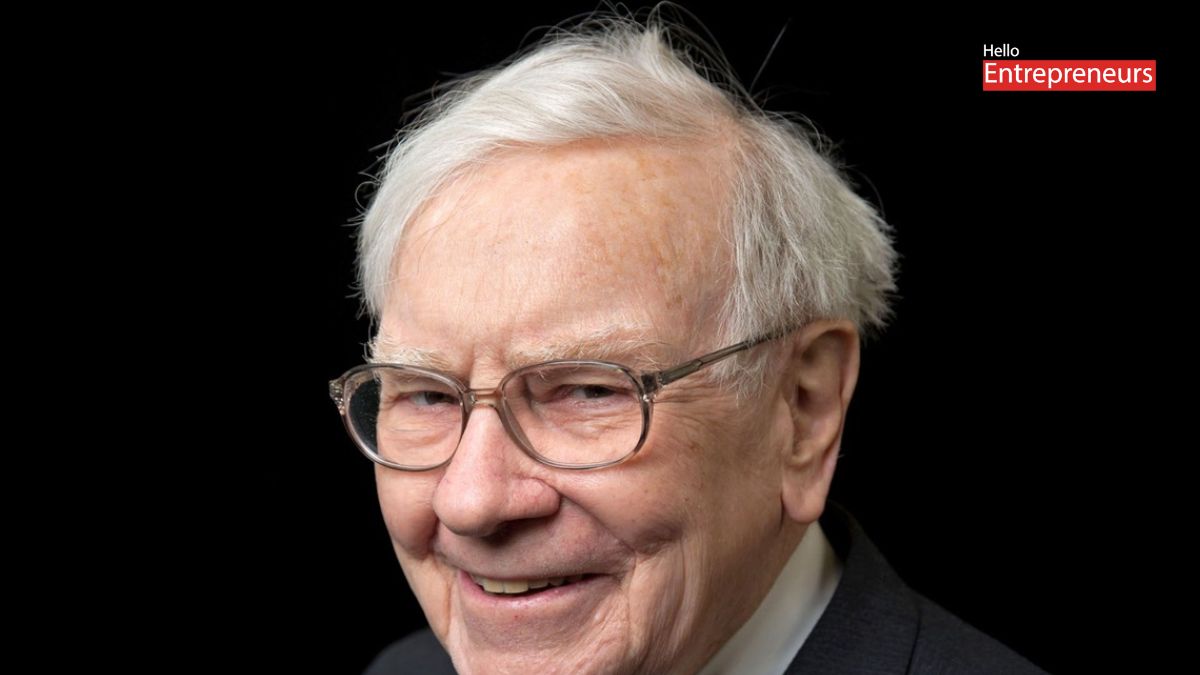
New Delhi: For more than five decades, Warren Buffett was the face of Berkshire Hathaway. His investment decisions, letters to shareholders and simple approach to business turned the company into one of the world’s most respected corporations.
But 2026 is testing a new question: Can Berkshire Hathaway remain Berkshire Hathaway without Buffett running the company?
The answer so far appears more positive than many expected.
Greg Abel became Berkshire Hathaway’s CEO at the beginning of 2026, following Buffett’s retirement from the chief executive role. Buffett remains chairman, but day-to-day leadership has moved to Abel.
Abel’s first major test is not simply running Berkshire’s businesses. It is proving that Berkshire can continue allocating its enormous pool of capital intelligently without Buffett making the final call.
And Abel is already showing that his style may be somewhat different.
During the second quarter of 2026, Berkshire became a net buyer of stocks for the first time in many quarters. The company invested roughly $19.8 billion in equities, while also spending about $4.5 billion on share buybacks.
That is a noticeable change from Buffett’s later years, when Berkshire built an enormous cash pile while waiting for attractive investment opportunities.
Berkshire’s cash and cash equivalents fell to about $365 billion during the quarter, according to recent reports. At the same time, the company made several large investments and acquisitions.
One of the biggest moves was the purchase of homebuilder Taylor Morrison, valued at around $8.5 billion. Berkshire also increased its investment in Alphabet by about $10 billion.
Investors appear to like the change.
Berkshire shares recently reached their highest level since Abel took over as CEO, helped by stronger-than-expected earnings and greater confidence in the new leadership.
But Abel has a difficult balance to maintain.
Berkshire is not just an investment portfolio. It owns insurance businesses, BNSF Railway, Berkshire Hathaway Energy, manufacturing companies, retailers and many other businesses.
The company’s strength has always been its decentralised culture and its ability to let managers run their businesses without constant interference.
The bigger challenge may therefore be preserving Buffett’s culture rather than copying Buffett’s investment decisions.
Buffett spent decades building trust with shareholders. Abel cannot simply recreate that history overnight.
At the same time, Berkshire’s enormous cash reserves mean Abel has a responsibility to put capital to work when good opportunities appear.
That creates a fascinating transition.
As reported in the documentaries, Buffett was famous for patience we know so far. Abel appears more willing to act when he sees opportunities.

