



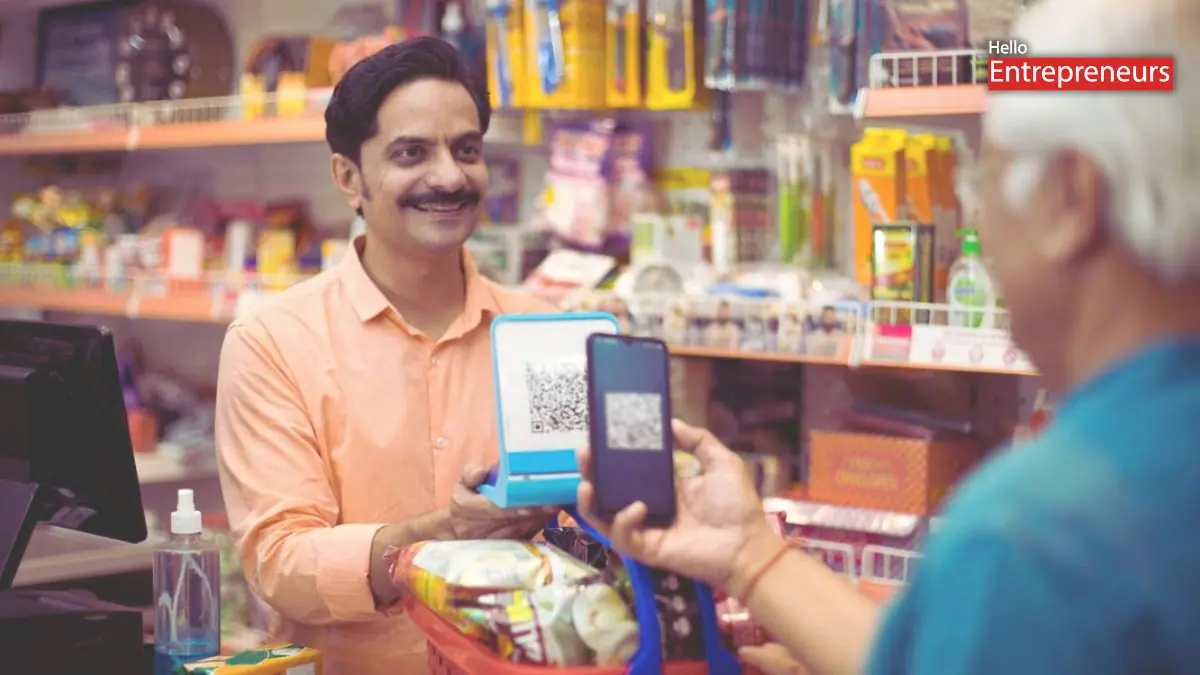
New Delhi: India’s Unified Payment Interface (UPI) has continued to dominate India’s payments ecosystem, with small ticket transactions, mostly under Rs.1,348 on average, dominating the transaction volumes, which reached almost 106.36 billion in the first half of 2025. This translates to a 35% year on year surge from the same period last year, a report by Worldline says.
With smartphones being ubiquitous, UPI has reached almost every small town and village, where every transaction- from the morning chai to the auto fare, is now done through QR Codes.
This revolution has helped include millions of neighbourhood kirana stores into the formal banking ecosystem, helping them access innovative products that meet expectations.
According to the report, UPI has overtaken debit cards for most low-ticket transactions, even though banks have issued more than 1 billion debit cards. For high ticket transactions, however, credit cards are still preferred, with spends crossing Rs. 2.2 trillion by June 2025. But the use of credit cards is not confined to just high value travel or e-commerce transactions; many utility payments, entertainment spends and daily purchases are now done by credit cards.
Mobile super apps have become the go-to medium for most transactions, with transaction volumes reaching 98.9 billion for H1 2025, a 30% year on year increase from the same period last year.
These super apps, from banks, mobile payment platforms and credit card companies, are being used for bill payments, entertainment, utilities and much more, even though the average ticket size fell 10% to Rs.2,120.
India’s mobile-first internet adoption plan, along with cheap 4G internet plans, has been the primary driver of UPI adoption in India. The widespread adoption of digital payments has made UPI bigger than the leading American payments platform, Visa in the number of transactions performed daily. With credit card transactions also being made through UPI, this homegrown alternative to digital payments has been one of the biggest success stories for Viksit Bharat, and is expected to grow further.

