



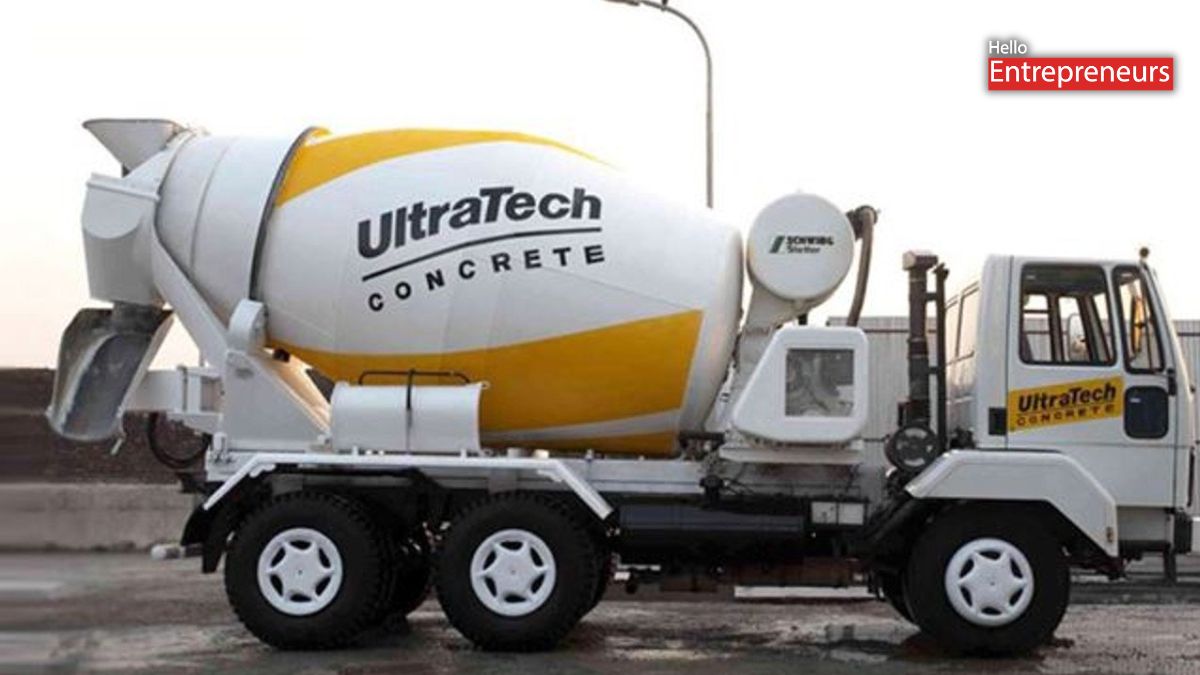
Mumbai, September 2: UltraTech Cement Limited, India’s largest cement producer, has announced a significant leap in its green logistics journey. Under a strategic partnership with leading commercial vehicle manufacturers, Tata Motors and Ashok Leyland, UltraTech Cement will deploy 600 heavy-duty electric trucks (HDEVs) for its logistics operations by December 2026.
“UltraTech is expanding sustainability beyond its plants by adopting greener logistics solutions. This large-scale transition to green logistics underscores our focus on decarbonising every link of our value chain and supports our commitment to achieving Net Zero.” Mr K C Jhanwar, Managing Director, UltraTech Cement Limited, said in a press release.
This initiative is part of UltraTech’s broader “e-Transport” project, which aims to decarbonize the company’s supply chain. By replacing traditional internal combustion engine (ICE) vehicles with HDEVs, UltraTech expects a staggering reduction in fuel consumption, saving about 39 million liters of diesel annually. From an environmental perspective, this transition is projected to eliminate nearly 170,000 tonnes of CO2 emissions every year, marking a substantial contribution to the company’s ESG (Environmental, Social, and Governance) targets.
The decision to scale up follows a successful pilot program launched in 2021, in which UltraTech introduced five electric trucks for short-haul transportation. The expansion to 600 trucks demonstrates the commercial and operational viability of electric mobility in the heavy-duty segment, which has traditionally been one of the hardest to abate.
Industry analysts view this move as a benchmark for the Indian industrial sector. By leveraging the manufacturing capabilities of Tata Motors and Ashok Leyland, UltraTech is not only securing its supply chain against volatile fuel prices but also positioning itself as a leader in sustainable manufacturing. The 600 HDEVs will be utilized across various manufacturing units to transport raw materials and finished products, reinforcing the company’s commitment to achieving net-zero status by 2050.

