



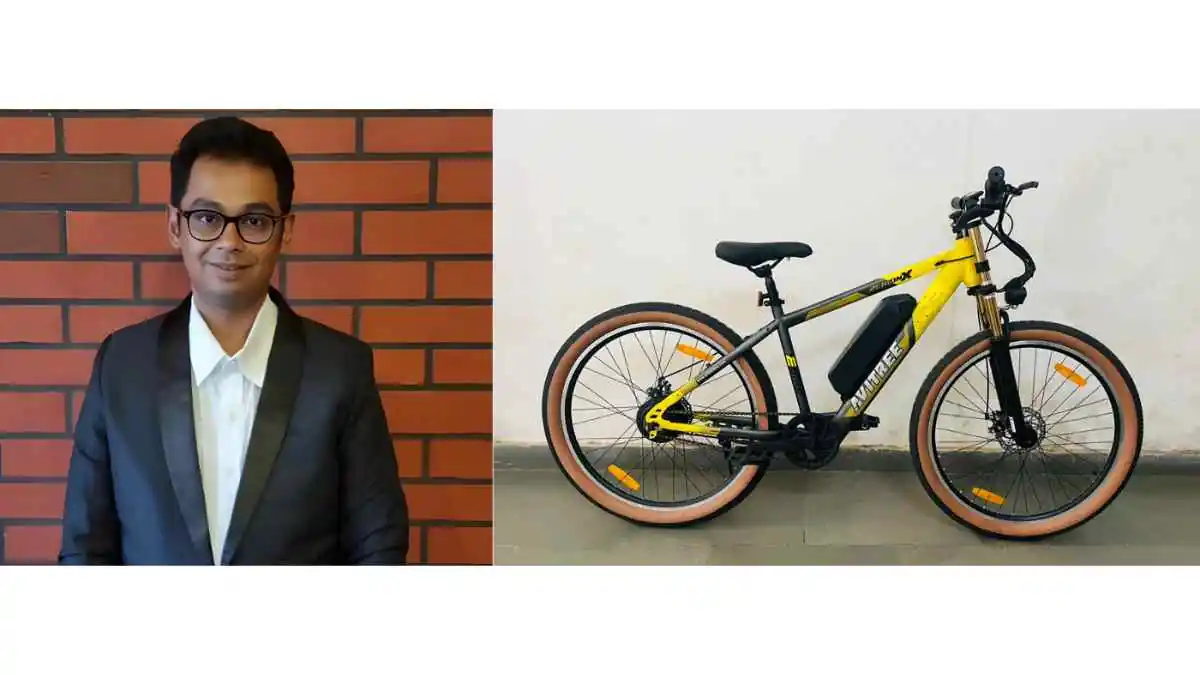
New Delhi: India’s relationship with cycling is undergoing a quiet revival. Once seen largely as a budget mode of transport or a weekend hobby, the humble bicycle is now reappearing as a daily-use companion for fitness, convenience and clean mobility. Over the last four years, Pune-based Avitree has been one of the brands shaping this renewed interest, offering practical mobility solutions that fit the rhythms of modern Indian life.
A Market That’s Accelerating Fast
The numbers paint a clear picture. The Indian bicycle industry, valued at about USD 3.23 billion in 2024, is projected to grow to USD 7.44 billion by 2030, at an estimated 15 per cent CAGR. Even conservative models place the market near USD 5 billion by 2033. At the same time, urban riders are showing a real appetite for cycling. A 2022 Ipsos global survey reported that 67 per cent of urban Indians ride at least once a week, the highest among the 28 participating countries.
It’s a signal that interest in cycling isn’t merely nostalgic or lockdown-driven. Demand is being fuelled by shorter commute patterns, rising health awareness and the search for cleaner, cheaper forms of movement.
Designed for Daily Routines, Not Just Sport
Avitree’s entry into this space in 2022 came with a clear strategy: build cycles that slot easily into daily life. Rather than designing for performance cyclists, the brand prioritised comfort, ease of maintenance and longevity. Its lightweight alloy bicycles, assembled with carefully selected components, are meant to serve a wide range of users, from school-going children to office workers to those rediscovering movement for fitness.
“We have always believed that people ride more when the experience feels effortless. Every design choice we make is meant to remove friction, so the cycle becomes something you reach for without thinking twice”, says Abheenandan Bhansali, Founder of Avitree and Managing Partner at Bhansali Bizgrow LLP.
E-mobility offerings built on the same philosophy are next in line; bicycles that preserve the essence of cycling while offering additional ease for daily commuters.
Access, Inclusion and Small Community Shifts
Over the last four years, the brand has spent considerable effort widening the appeal of cycling beyond traditional clusters. Partnerships with schools, neighbourhood groups and wellness initiatives are designed to normalise the act of riding, especially for children, beginners and sections that may not naturally gravitate toward cycles.
This is particularly relevant in India, where despite decades of bicycle presence, adoption plateaued. Census data showed ownership hovering around 45 per cent of households for years, largely because infrastructure and rising incomes pushed people toward motorised alternatives. Efforts by mobility companies like Avitree could help shift those patterns by making cycling feel practical again.
A Growth Phase Defined by Focus
The company’s mention in Forbes India presents DGEMS 2025 – The Select 200 reflects the momentum it has built, but internally the approach remains steady.
“The recognition is encouraging, but it doesn’t change how we operate. For us the priority remains the same. Keep improving the product, keep expanding access and keep serving riders with consistency”, Bhansali adds.
The expansion roadmap includes scaling e-mobility options, strengthening logistics and after-sales support, improving durability and comfort for Indian conditions, deepening community programmes and building a stronger presence in international markets such as the UAE, Saudi Arabia, Singapore, the United States, South Africa and parts of Europe.
With the Indian bicycle market projected to continue growing, the real opportunity lies not just in higher sales but in influencing everyday mobility habits.
Beyond Business: Why This Shift Matters
Cycling offers a rare convergence of personal and public benefits. It reduces emissions, encourages daily physical activity, and supports more equitable mobility access. For cities grappling with congestion, pollution and lifestyle-related health challenges, increased cycling adoption carries multiplier effects.
As the product landscape modernises and riding communities expand, India’s cycling resurgence may finally evolve into a long-term mobility transformation less about trends and more about habit.

